Why Israel is Evacuating EVs: The Looming Threat of High-Tech Car Fires in a Conflict Zone
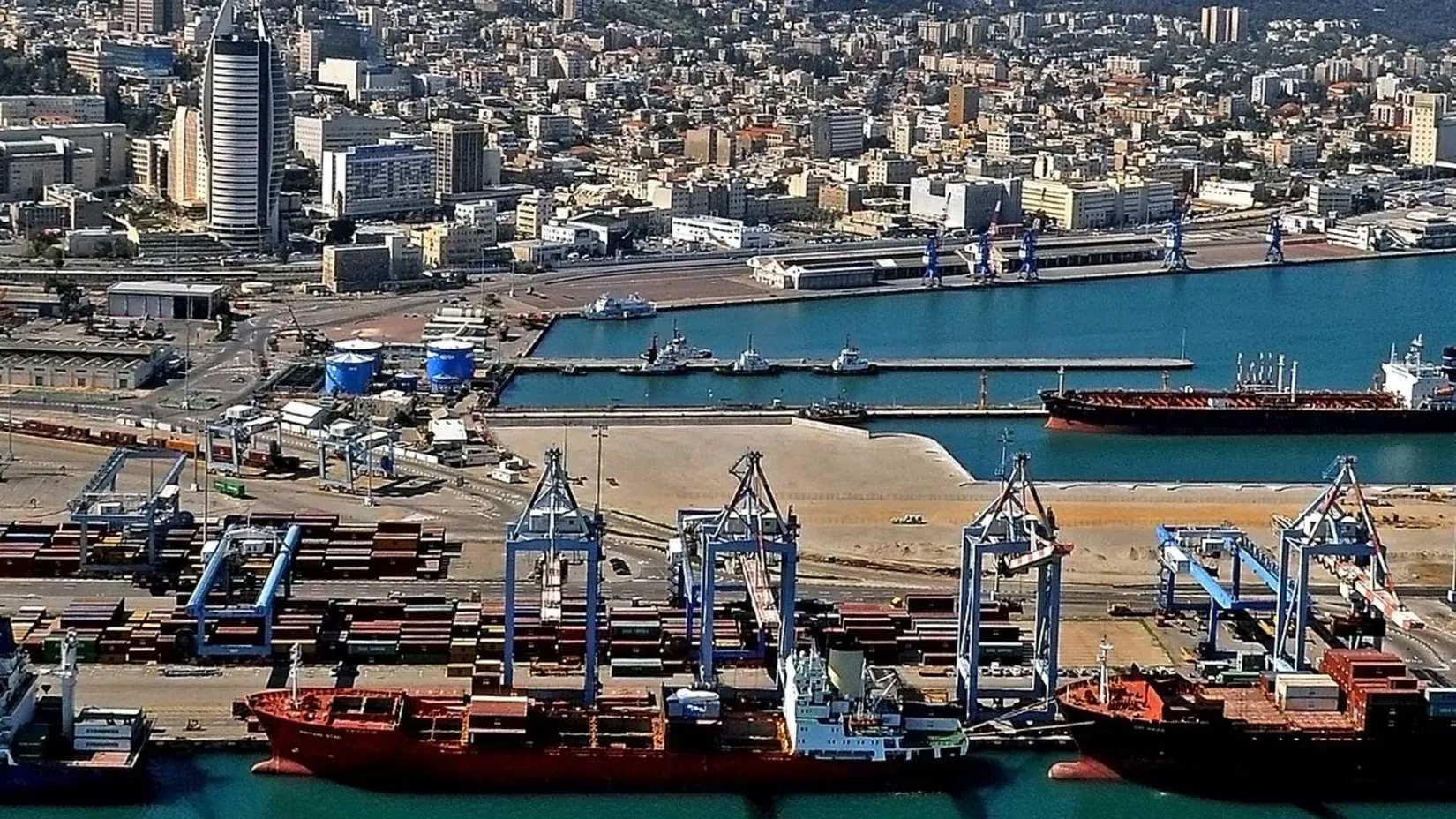
So, picture this, folks. It's 2026, and honestly, my mind's still reeling from the back-and-forth between Israel and Iran that kicked off last year. A ceasefire was supposed to be the end of it, but let's be real, the situation remains as tense as a coiled spring. Both sides agreed to chill, but the attacks haven't fully stopped. While the world watches and hopes for a peaceful solution, Israel is taking some seriously proactive—and frankly, fascinating—steps on the ground. They're not just moving troops; they're moving cars. Electric cars, to be precise. Yep, you heard that right. In a move that sounds straight out of a high-stakes tech thriller, Israeli port authorities have begun the massive logistical operation of evacuating electric vehicles (EVs) from major ports like Haifa and Ashdod.
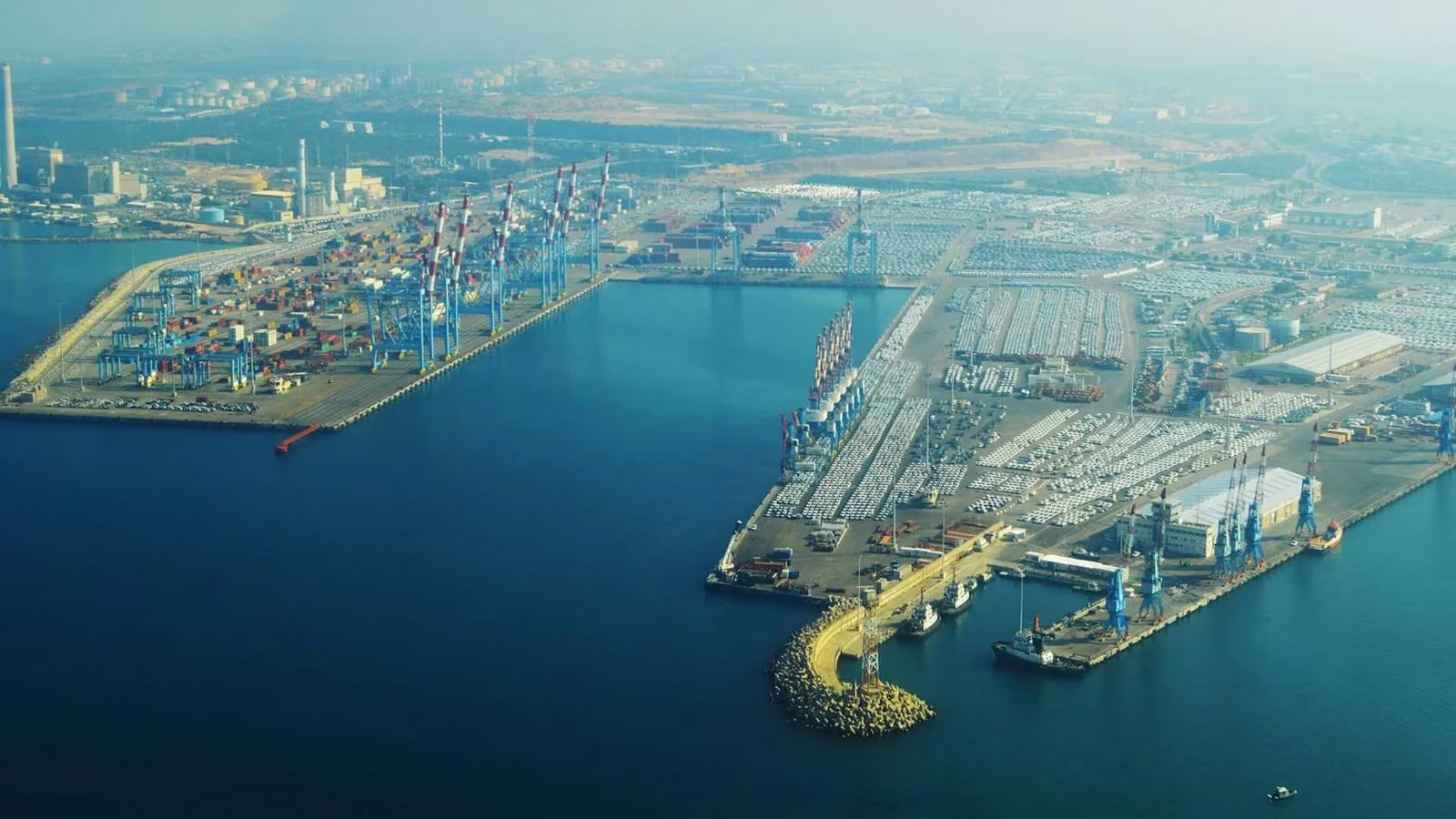
Now, you might be thinking, 'Why the big fuss over some cars? Aren't ports full of all sorts of valuable stuff?' Absolutely, they are. But here's the kicker: EVs aren't just regular cargo. In the context of a potential missile strike, they're essentially potential fire accelerants on wheels. According to the reports, the Israeli Shipping and Port Authority has been in touch with car importers, telling them to get ready to move these vehicles pronto. Ports like Haifa and Ashdod are absolute lifelines for the country's economy, handling millions of tons of cargo annually. That makes them prime strategic targets, and officials are dead set on minimizing 'collateral damage' of a very specific and modern kind.
The Lithium-Ion Wildcard: Why EVs Are a Different Beast 🚨
Alright, let's break down the science behind the scramble. I've seen my fair share of car fires, but EV and hybrid fires are a whole different ballgame. It all boils down to the lithium-ion battery packs. When these things ignite—whether from impact, electrical fault, or, say, a missile fragment—they don't just burn; they rage. We're talking about thermal runaway, a chemical fire that burns at insanely high temperatures.
Here’s a quick comparison of why EV fires are such a headache:
| Fire Type | Key Challenge | Potential Scale of Damage |
|---|---|---|
| Conventional Gasoline Fire | Can often be controlled with water/foam. | Largely localized if addressed quickly. |
| EV/Hybrid Lithium Fire | Requires massive amounts of water (thousands of gallons) over hours/days to cool the battery cells. Extremely difficult to fully extinguish. | High risk of re-ignition. Can cause catastrophic chain reactions in tight spaces. |
Imagine one of these fires starting in a storage lot packed with hundreds or thousands of brand-new EVs. It wouldn't just be a bad day at the port; it could be an environmental and economic disaster of epic proportions. The intense heat can warp infrastructure, release toxic fumes, and create a firestorm that's nearly impossible to stop.
A Chilling Precedent: The Ghost of Luton Garage 🔥
This isn't some theoretical, sci-fi fear-mongering. We've already seen a terrifying glimpse of what can happen. Cast your mind back to 2023—the Luton Airport car park fire in the UK. That incident, which reportedly started with a single vehicle, spiraled so completely out of control that it ended up destroying over 1,300 cars and trucks. The entire multi-story structure was reduced to a smoldering skeleton. And that was a parking garage, not a port in the middle of an active conflict zone.
Israeli officials are, quite understandably, saying 'No thank you' to that kind of scenario on steroids. The thought of a missile strike hitting a concentrated EV storage area is their absolute worst-case scenario. It’s not just about losing the cars; it's about the secondary explosion of risks:
-
Environmental Catastrophe: Toxic runoff from burnt batteries and materials into the sea.
-
Port Paralysis: Critical infrastructure rendered unusable for months.
-
Economic Shockwaves: Disruption to the entire automotive supply chain and imports.
So, this evacuation isn't just a precaution; it's a calculated, necessary move in modern warfare and crisis management. It highlights a new, 21st-century vulnerability that nations now have to account for. We're no longer just worried about ammunition dumps; we have to worry about our high-tech transportation sitting ducks.
The Bigger Picture: A New Kind of War Calculus 🤔
What's really hitting home for me is how this situation reflects our new reality. The tools of conflict are evolving, and so are the assets we need to protect. Israel's move is a stark reminder that national security now involves cybersecurity, energy grids, and supply chains filled with advanced technology that can turn hazardous under fire.
It's a crazy time. As I follow this story, I can't help but admire the foresight, even as I'm chilled by the necessity of it. They're playing a high-stakes game of chess, and moving the EVs is a crucial, if unconventional, opening move to protect their people and their economy from a very modern form of devastation. Let's all hope the ceasefire holds for real this time, but until then, watching this logistical operation unfold is a masterclass in preparing for the unpredictable challenges of our world in 2026. Stay safe out there, everyone.
Leave a Comment
Comments