Volkswagen Data Breach Exposed 800,000 EV Owners and Their Movement Data
A 2024 security failure at Volkswagen AG has become a cautionary tale for the connected-car era: personal information tied to roughly 800,000 electric-vehicle owners was left exposed for months in an unprotected Amazon cloud storage system. The incident, reported by German magazine Spiegel, affected customers across the Volkswagen group, including VW, Audi, Seat, and Skoda, and reached owners in Germany, Europe, and other parts of the world. By 2026, the breach is no longer a breaking-news emergency, but it remains a stark reminder that software-defined vehicles can leak more than battery range or charging habits.
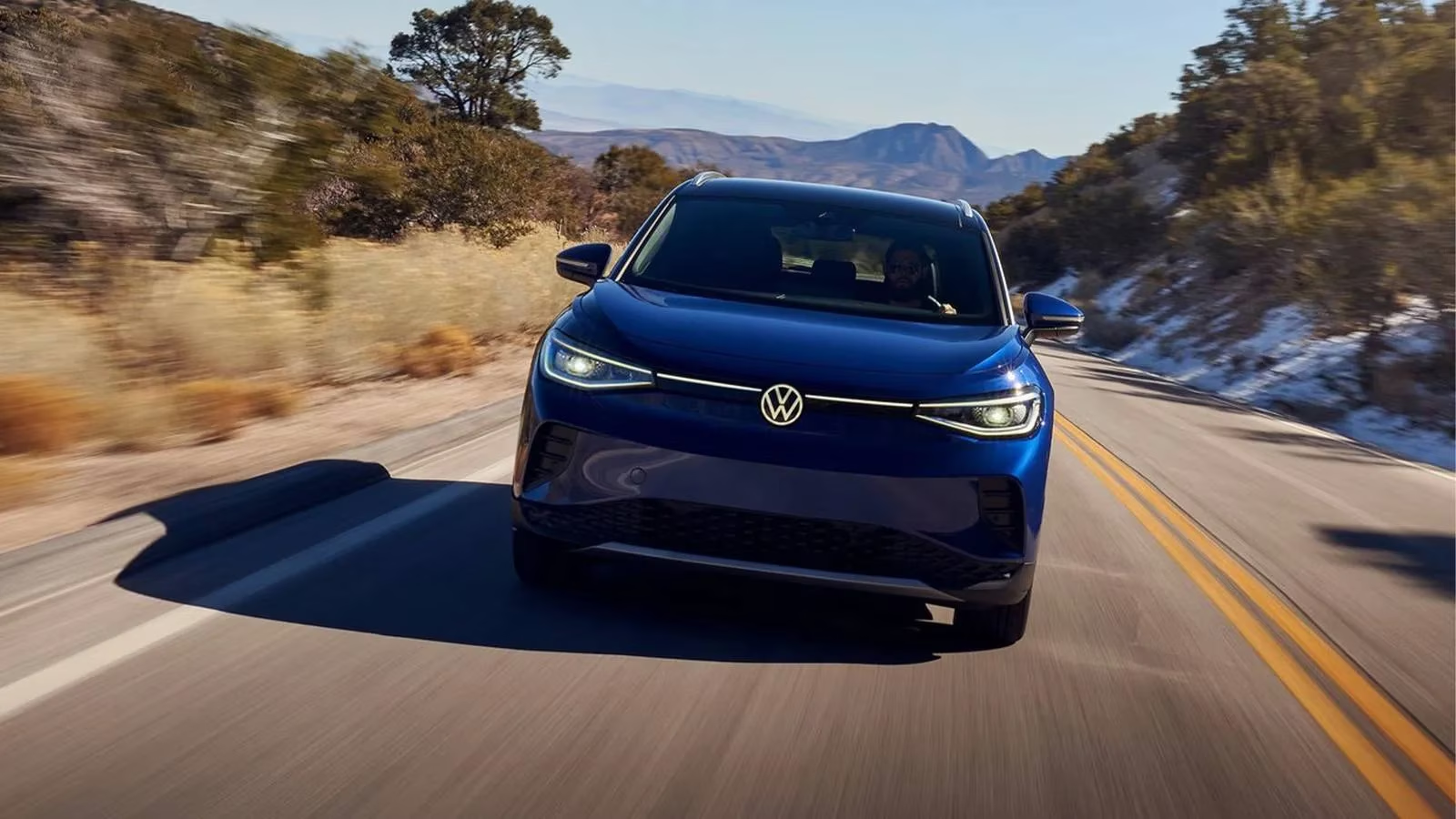
The exposure was not limited to names and email addresses. According to the report, contact information and movement data were accessible to anyone online. In some cases, observers could see who was parking at home, at the BND, or in front of a brothel, and when. Precise data was available for about 460,000 vehicles, including cars owned by prominent German politicians, the Hamburg police, and intelligence-service members. That level of detail turns a routine data leak into a privacy and security problem with potential physical-world consequences.
The issue came to light after an anonymous hacker reported it to the Chaos Computer Club, a hacker association focused on improving IT security. The CCC then alerted Volkswagen and its software subsidiary Cariad on November 26, and also contacted the German Federal Ministry of the Interior and state police. The organizations were given 30 days to fix the problem before the matter went public. The flaw has since been patched, but the sequence of events underscores how long an overlooked cloud misconfiguration can remain invisible.
Volkswagen's immediate response sought to limit alarm. Cariad said no sensitive information such as passwords or payment data was affected. Even so, the episode is embarrassing for Volkswagen AG, arriving as the group was already under pressure. The automaker had cut 35,000 jobs to keep its factories open, a sign of the difficult transition facing legacy manufacturers. A data breach does not make that transition easier. It adds another layer of doubt for customers who are being asked to trust automakers with increasingly connected products.
Why Movement Data Matters
For electric vehicles, connectivity is not a side feature. It supports charging, navigation, remote diagnostics, over-the-air updates, and fleet management. But the same systems that make an EV convenient can also create rich records of where a driver goes and when. A contact list is sensitive. A map of a person's daily movements can be more sensitive still. It can reveal routines, relationships, workplaces, medical visits, and political or professional affiliations. When that information sits in a poorly protected cloud bucket, the risk is not theoretical.
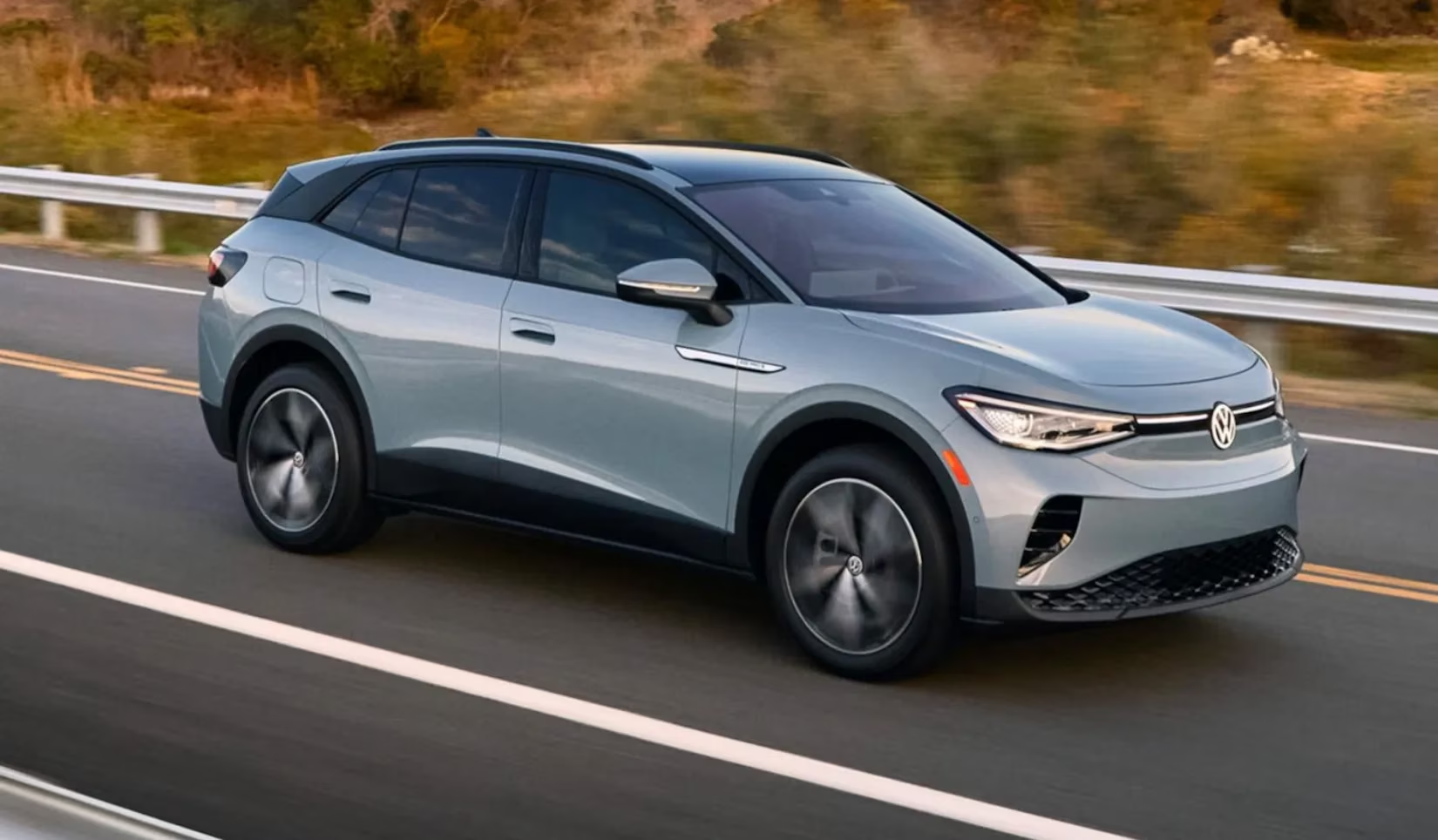
| Exposure detail | Reported scope |
|---|---|
| Affected owners | About 800,000 |
| Brands involved | VW, Audi, Seat, Skoda |
| Precise vehicle data | About 460,000 vehicles |
| Data types | Contact information and movement data |
| Discovery | Anonymous hacker reported to Chaos Computer Club |
| Notification | VW and Cariad alerted on November 26 |
| Fix window | 30 days before public disclosure |
| Status | Patched |
The breach also highlights a governance problem. Automakers are no longer just manufacturers; they are software operators, data custodians, and cloud consumers. A mistake in one storage system can cross brands, borders, and customer groups. The fact that the leak spanned Volkswagen AG's portfolio shows how centralized software platforms can amplify a single error. Cariad, created to consolidate Volkswagen's software efforts, sits at the center of that challenge.
A Warning for the Industry
The Volkswagen case is not an isolated warning. As more vehicles become permanently online, regulators and consumers are asking harder questions about data retention, access controls, and incident response. The 30-day disclosure window gave Volkswagen time to patch the flaw, but it also gave the public a window into how connected-car data is handled. The CCC's role was constructive: a security researcher found a problem and reported it. The troubling part is that the problem existed for months before anyone noticed.
For owners, the practical lesson is limited but important. A car's app, account, and connected services deserve the same scrutiny as a bank account or email inbox. For automakers, the lesson is larger. Cybersecurity cannot be a compliance checkbox added after the vehicle ships. It has to be part of the product architecture, from cloud configuration to vendor oversight to rapid disclosure.
Volkswagen has patched the issue, and there is no public indication that passwords or payment data were exposed. That is a relief. It is not an absolution. In 2026, the connected car is normal, and so is the expectation that the companies behind it will protect the data it generates. The Volkswagen breach showed how quickly that expectation can be broken by a single unprotected system, and how much detail can spill out when it is.
Leave a Comment
Comments