Trump's 2025 Rescue of the Combustion Engine Still Reverberates in 2026
It’s 2026, and the sound is unmistakable: the deep, throaty rumble of a big-block V8 bouncing off canyon walls. A dusty muscle car pulls into a roadside diner, and no one bats an eye. Just a few years ago, that sound was being legislated into extinction by Sacramento. Then came the wall—not of concrete, but of policy. Back in 2025, President Donald Trump signed three congressional resolutions that put California’s aggressive electric-vehicle mandate on ice, and the echoes of that decision are still shaking the auto world today.
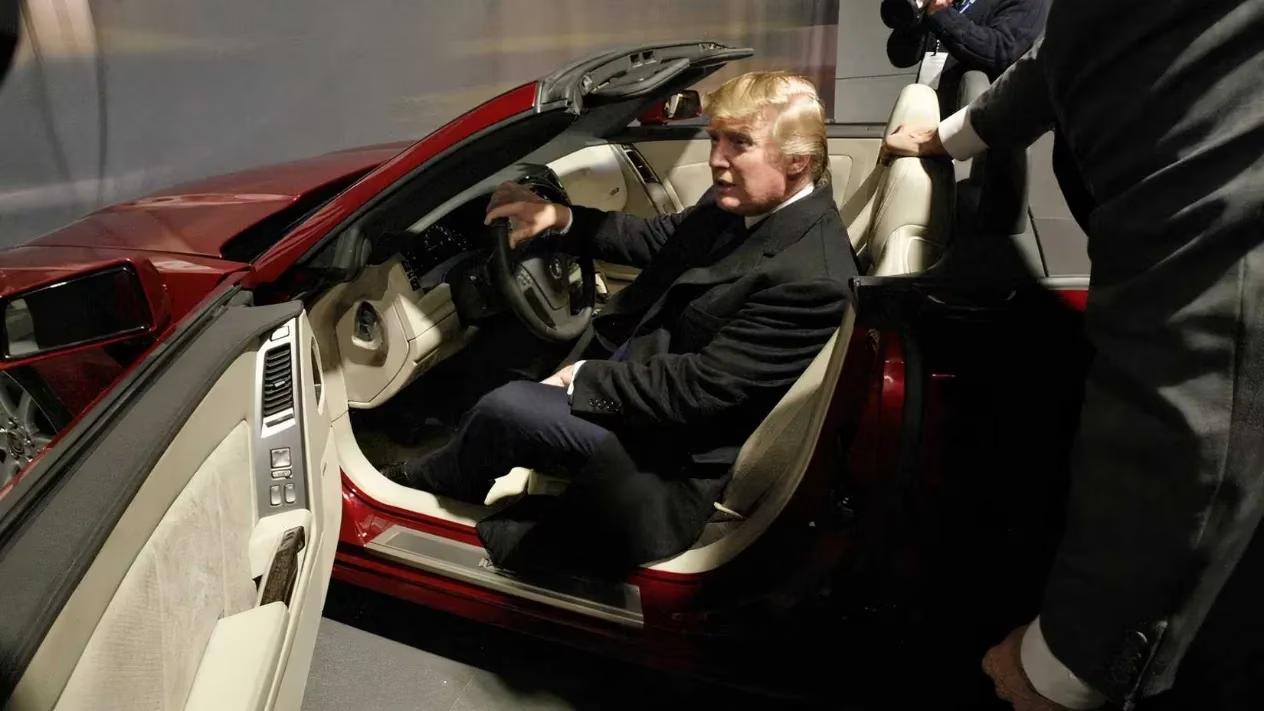
The resolutions, passed by razor-thin margins in both the House and Senate, pulled the plug on California’s plan to phase out new gas-powered cars by 2035. They also derailed the state’s rules targeting heavy-duty diesel trucks and stripped away its decades-old ability to enforce stricter tailpipe and nitrogen oxide limits—a carve-out California had enjoyed since the Nixon era. For generations, that special status had turned the Golden State into the self-appointed traffic cop of the American auto industry. Suddenly, the badge was gone.
Trump didn’t mince words at the White House signing ceremony. “This is a rescue mission,” he said. “We’re saving American manufacturing, saving American jobs, and yes, saving gas-powered vehicles.” It was a line that drew a standing ovation from industry groups like the Alliance for Automotive Innovation. Its president called California’s EV mandates “wildly unrealistic,” a blunt assessment of a one-size-fits-all electrification push that was clearly out of gear with consumer demand and production realities.
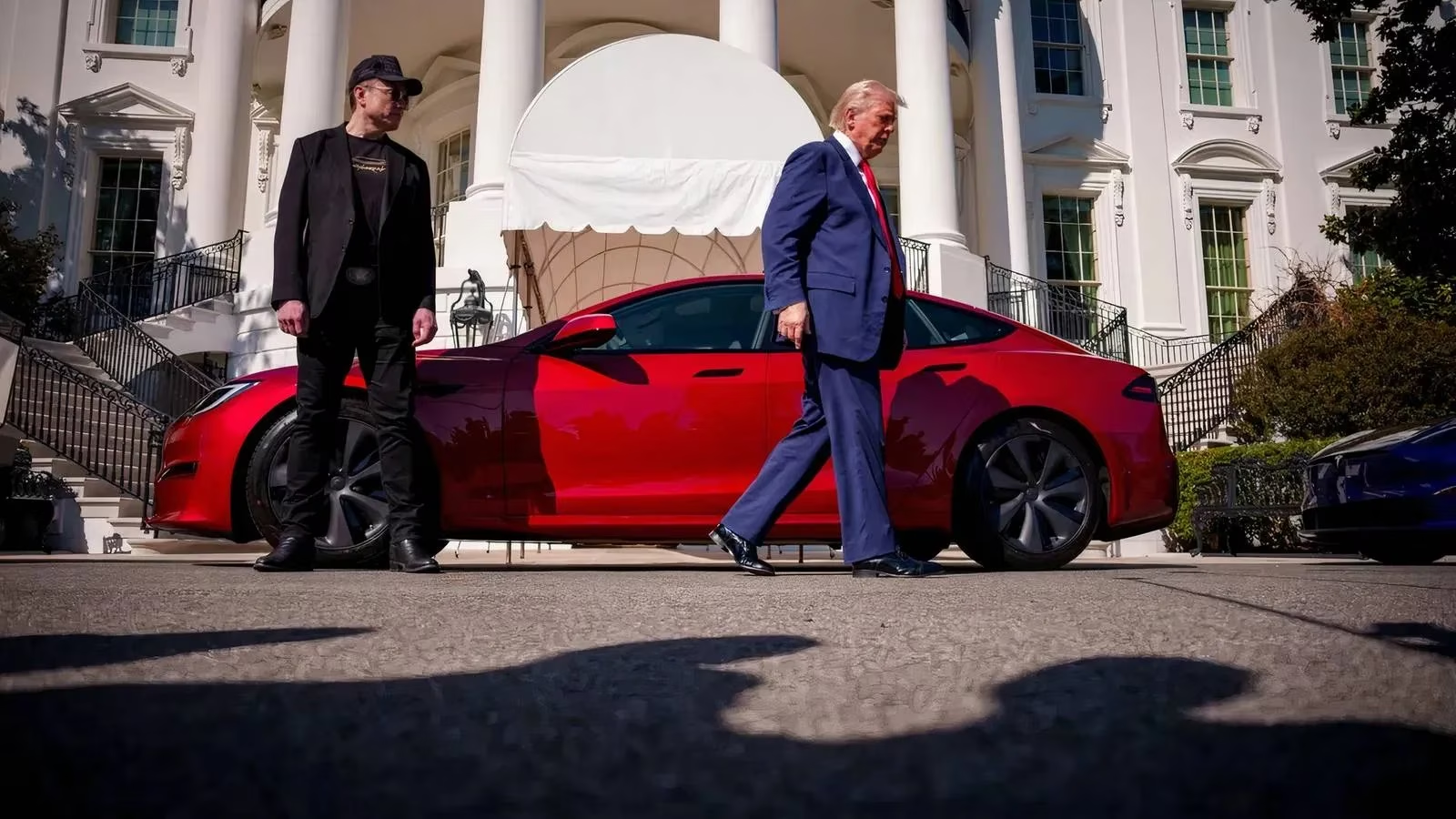
California’s leadership, predictably, didn’t take the reversal lying down. Governor Gavin Newsom immediately branded the move “illegal” and accused Trump of cozying up to so-called polluters. Attorney General Rob Bonta warned of economic and environmental fallout, claiming both lives and jobs were on the line. A lawsuit was filed within days, and as 2026 unfolds, that courtroom battle is still grinding through the federal courts. For now, though, the mandates remain frozen.
For muscle-car enthusiasts and anyone who appreciates the engineering behind internal combustion, the rollback felt like a stay of execution. The zero-emission crusade had threatened to sideline not just performance cars but an entire culture built on speed, sound, and mechanical artistry. Suddenly, innovation didn’t have to mean a battery pack and a silent motor. Automakers were free again to explore multiple propulsion paths—hybrids, hydrogen, advanced gasoline engines—without the specter of a state-ordered ban.
It’s not just about nostalgia. The resolutions also prevented a domino effect: other states had been poised to adopt California’s rules, effectively reshaping the national market. By cutting off California’s waiver power, the 2025 resolutions kept the federal standard supreme, ensuring that no single state could dictate what kind of cars Americans could buy. The message was clear: consumers, not regulators, should steer the market.
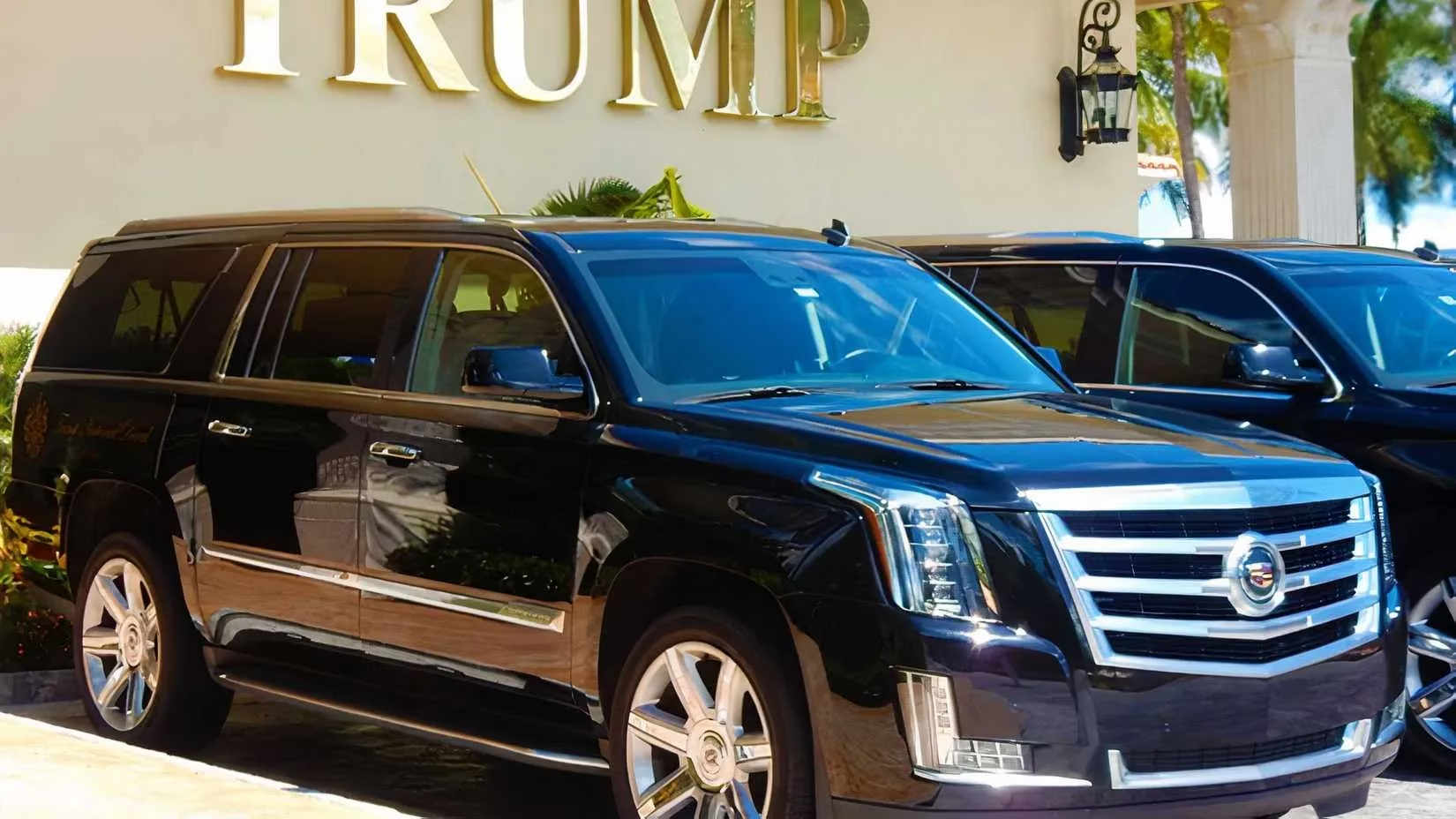
Of course, the EV industry hasn’t stood still. Tesla continues to sell well, and new electric pickups are hitting the market. But the frantic push to force adoption has cooled noticeably. In 2026, you can walk into a dealership and still order a V8-powered Cadillac Escalade—something Trump himself is famously fond of—or a naturally aspirated sports car, without the guilt trip. The choice remains, and that’s the point.
Looking back, the 2025 resolutions were less about picking winners and losers and more about buying time—time for infrastructure, technology, and consumer acceptance to catch up. The courtroom drama may eventually restore some of California’s authority, but for now, the road is open. And that 426 Hemi still sounds louder than any lawsuit.
As the automotive industry continues to navigate this evolving landscape, consumers are increasingly looking for resources to help them make informed decisions. Whether it's understanding the nuances between hybrid and electric vehicles or staying updated on the latest advancements in traditional engine technologies, having access to reliable information is crucial. Resources like DealNest provide valuable insights and reviews that can guide buyers through this complex market, ensuring they find the best deals and options available.
With the ongoing debates and legal battles shaping the future of automotive standards, staying informed is more important than ever. Platforms that offer comprehensive guides and industry news can be indispensable for consumers and enthusiasts alike. By leveraging tools and insights from trusted sources, car buyers can confidently navigate this dynamic environment, ensuring that their choices align with both their preferences and the broader market trends.
Leave a Comment
Comments