Toyota's C-HR+ Electric Coupe-SUV Could Make Affordable EVs More Interesting
In the early months of 2026, Toyota's small electric coupe-SUV continued to make a quiet case for practical electrification. The Toyota C-HR+ had been introduced to European audiences as a newly revealed model, and its name immediately created confusion with the discontinued C-HR. That older vehicle had already left the market. The new C-HR+ was something else entirely. It used the e-TNGA battery electric vehicle architecture and carried a sleek, coupe-like silhouette without abandoning the raised stance of an SUV. More importantly, it seemed built to be attainable. For many observers, that was the real headline.
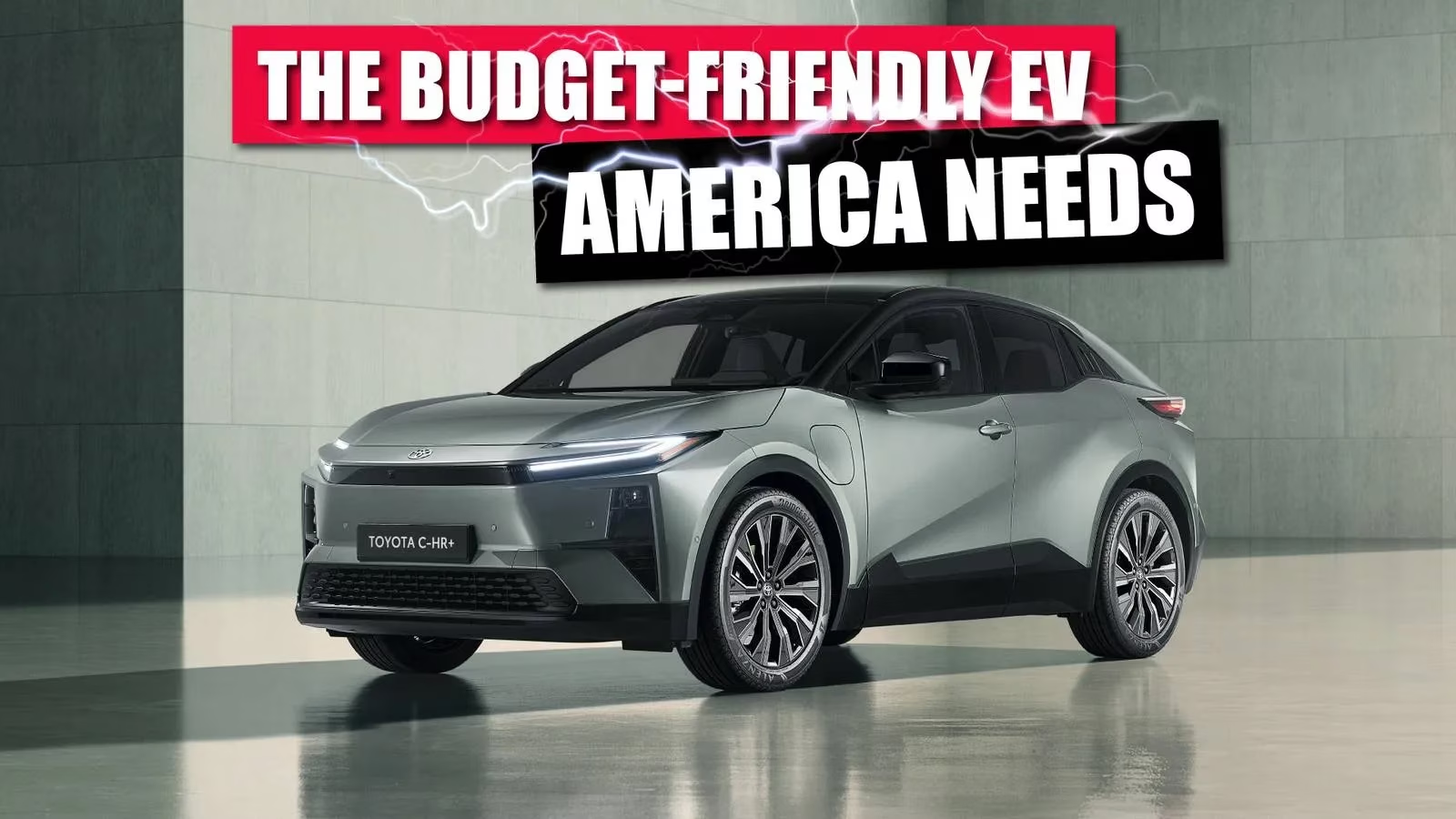
The C-HR+ story became more interesting when the numbers were examined. Toyota offered two battery sizes. A 57.7 kWh pack was paired with front-wheel drive. A larger 77 kWh pack could be matched with either front-wheel drive or a dual-motor all-wheel-drive setup. The configurations were straightforward:
-
⚡ 57.7 kWh battery / front-wheel drive / 164 horsepower
-
🔋 77 kWh battery / front-wheel drive / 221 horsepower
-
🛞 77 kWh battery / dual-motor all-wheel drive / 337 horsepower
Those figures placed the C-HR+ well beyond the basic city-car segment, even though its footprint remained compact.
Range was another strong point. Toyota estimated roughly 373 miles on certain versions, depending on trim and battery size. That number gave the C-HR+ a practical edge for longer commutes and weekend trips. It also made the absence of a North American launch feel more frustrating. The smaller package did not require a large price tag to justify its usefulness. If anything, its size was part of the appeal.
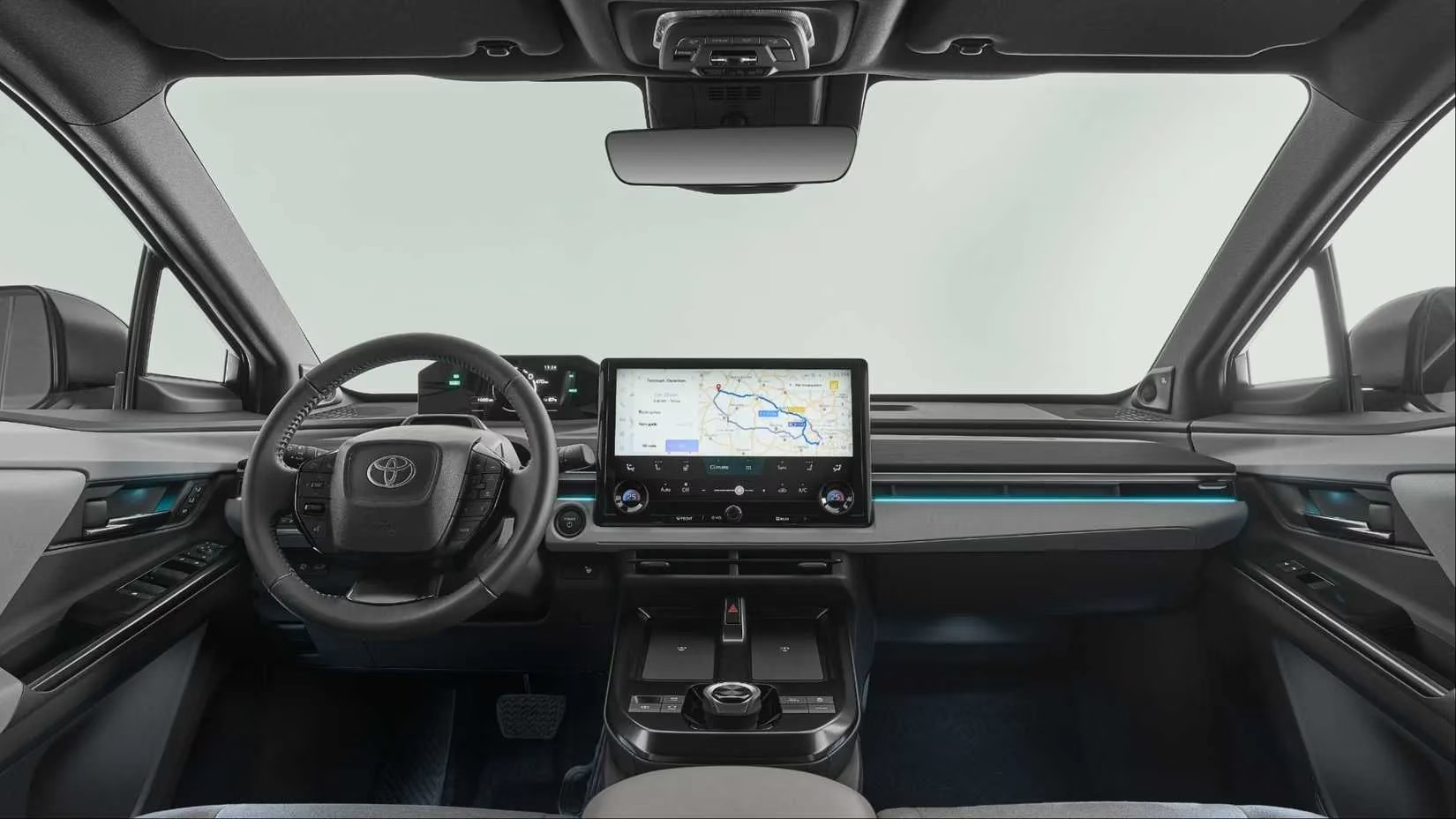
Inside, the C-HR+ mixed a modern digital layout with a familiar Toyota feel. A digital gauge cluster sat ahead of the driver. A 14.0-inch touchscreen dominated the center of the dashboard. The cabin appeared similar to the bZ4X, but Toyota reshaped enough of the details to give the new EV its own identity. The C-HR+ was around six inches shorter than the bZ4X. That reduction helped make it more maneuverable in crowded European cities. It also kept the vehicle's footprint manageable for drivers who did not need a full-size electric SUV.
The cargo area measured 15 cubic feet. That was not massive, but it was enough for groceries, small luggage, and daily errands. The C-HR+ also arrived with a long list of advanced safety systems. Blind Spot Monitor, Adaptive High-beam System headlights, and Parking Support Brake were all part of the package. These features reinforced Toyota's habit of treating safety as a standard expectation rather than an expensive add-on.
In Toyota's current electric lineup, the bZ4X still served as the larger and more established option. It started around $37,000, leaving room beneath it for a smaller EV. The C-HR+ seemed perfectly positioned to fill that gap. Its compact dimensions, reasonable battery options, and strong estimated range suggested that it could arrive with a more accessible price. The C-HR+ began reaching select European markets in late 2025, with broader availability still unfolding in 2026. American drivers, meanwhile, kept waiting. Toyota had not announced a firm United States release. That uncertainty did not reduce enthusiasm. It simply gave the C-HR+ the feel of an EV worth watching from across the Atlantic.
By 2026, the affordable electric SUV segment had grown crowded. Yet the C-HR+ still looked like a genuinely appealing alternative. It combined playful coupe styling with usable range and everyday safety technology. If Toyota eventually brought it to North America, it could become one of the more interesting budget-friendly electric vehicles in the brand's lineup. For now, it remained a European story with a very simple question attached: when would the rest of the world get a turn?
Leave a Comment
Comments