Toyota's 2027 EV Blitz: 15 Models, 1 Million Sales, and Taking on Tesla
Alright, gearheads, grab a cup of coffee and let's dig into some juicy EV gossip that's been buzzing around the car community in 2026. If you thought Toyota was dragging its feet on electric vehicles, well, hold your horses—because according to a bombshell report from the Nikkei newspaper, Toyota (along with its fancy sibling Lexus) is aiming to unleash no fewer than 15 dedicated electric models by 2027. And that's not all—they're reportedly gearing up to pump out a whopping one million EVs per year by that same deadline. Talk about stepping on the gas!
Now, I know what you're thinking: "Is this for real?" Toyota officials have been playing it cool, declining to comment and saying the info didn't come from them officially. But where there's smoke, there's usually a bonfire, and this plan lines up with the company's recent moves. I've been keeping my ear to the ground, and honestly, 2026 is already looking like the year Toyota stops treating EVs like a side hustle and starts treating them like the main event.
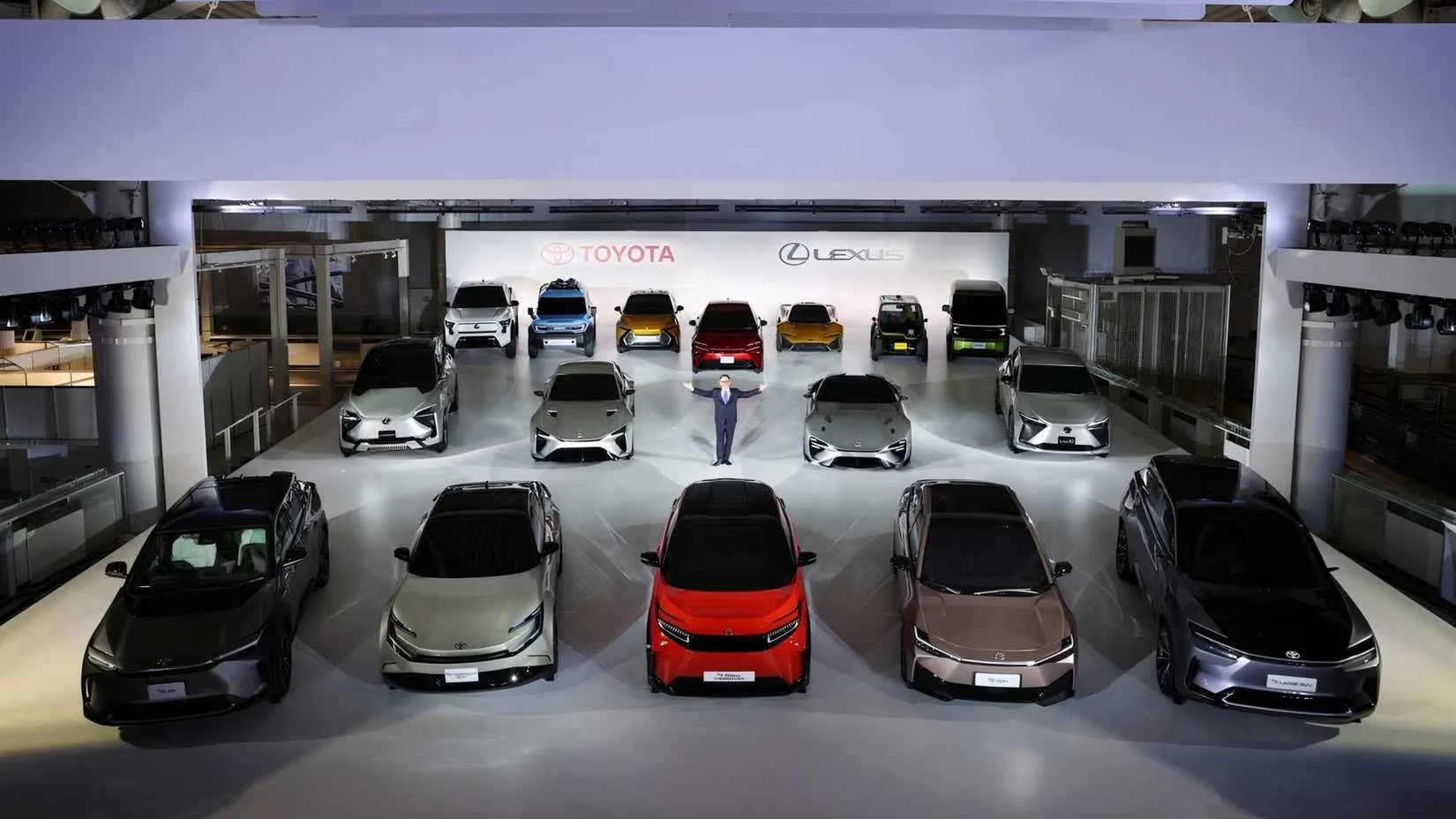
Let's take a quick pit stop and look at where Toyota is right now. As of 2024, the automaker sold a grand total of nearly 140,000 EVs worldwide. Sounds impressive until you realize that was less than 2 percent of their total global sales of over 10 million units. Yikes! So jumping from 140,000 to 1,000,000 in a couple of years isn't exactly a walk in the park. It's like going from jogging around the block to running an ultramarathon without breaking a sweat. Toyota currently manufactures five different EV models—the bZ4X, the newly launched C-HR+, the hydrogen-powered Mirai, the Prius Prime plug-in hybrid, and the RAV4 Hybrid. Wait, hold the phone—some of those aren't full battery electrics, right? Exactly. The current lineup is a bit of a mixed bag, which is why enthusiasts (myself included) have been itching for a more focused BEV attack.
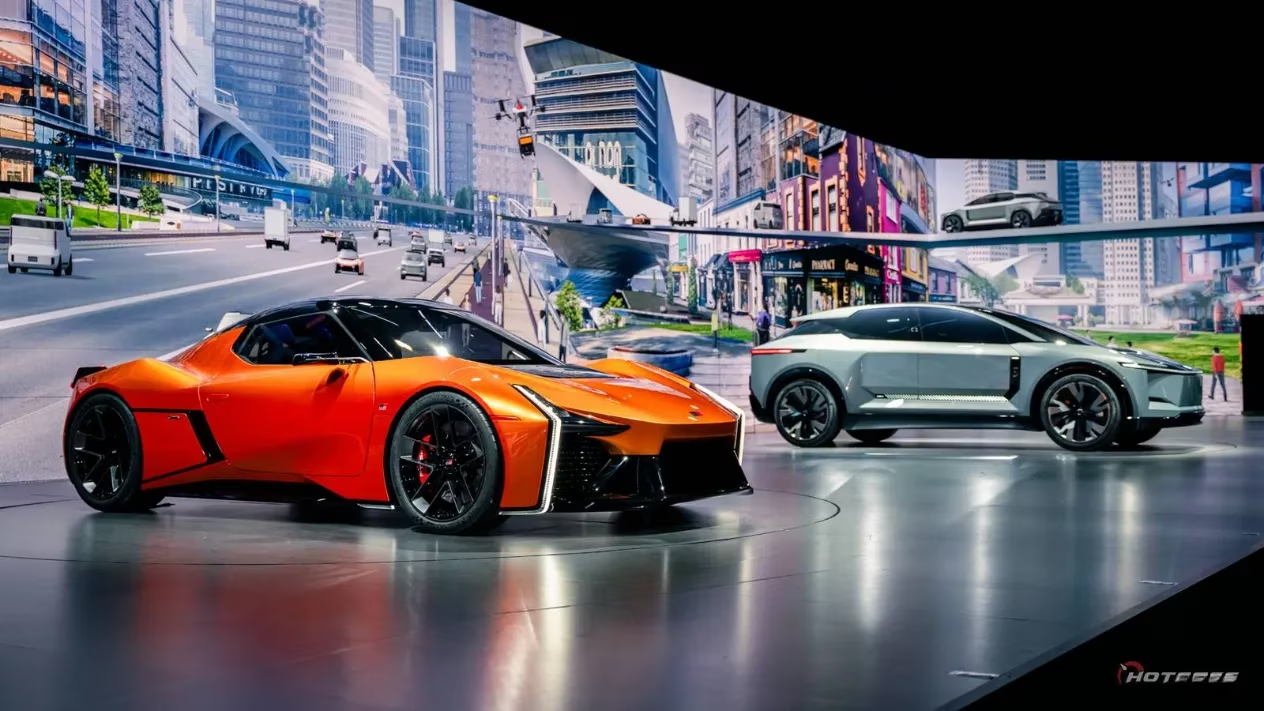
But the scuttlebutt says the 15-model plan is the real deal, and it's aimed squarely at turning Toyota into an EV powerhouse. By 2027, we could be looking at a full spectrum of battery-powered rides—from compact city zippers to burly trucks, all bearing the Toyota badge. And let's not forget Lexus, which is expected to contribute a few slick models to that count. I've heard whispers that we'll see a production version of the funky bZ Compact SUV concept and even an electric Tacoma-like pickup. If that happens, Colorado and Maverick better watch their backs.
The production logistics behind this are mind-boggling. To dodge the curveballs thrown by tariffs, Toyota is reportedly thinking of expanding vehicle production to the United States, Argentina, and Thailand. That's a savvy move—it follows the playbook Tesla used to sidestep automotive tariffs and keep costs in check. By building where you sell, you stay nimble and avoid getting your bottom line smacked by trade wars. As a regular car nut, I find this chess game fascinating. It's not just about making cool cars; it's about making them in the right places at the right price.
Speaking of Tesla, this is where things get spicy. Let's face it, Elon's crew has been running circles around legacy automakers for years, and they've managed to dodge tariff headaches like a pro. But if Toyota rolls out 15 distinct EV models on a global scale, it could level the playing field big time. Toyota's legendary reliability, vast dealership network, and brand loyalty might be the secret sauce that gives them a leg up over Tesla in certain markets—especially where drivers are still hesitant to go full-electric without a familiar badge on the hood. I'm not saying it's a slam dunk, but it's the kind of underdog story that would make a great movie.
Of course, there are plenty of potholes on this road. Ramping up battery supply chains, building charging infrastructure, and convincing die-hard ICE fans to make the switch are no small potatoes. But if any company has the deep pockets and engineering chops to pull it off, it's Toyota. They didn't become the world's largest automaker by accident.
So here I am in 2026, refreshing my browser every morning for fresh spy shots and official teasers. If even half of these 15 models hit the streets with competitive range and pricing, the EV landscape could look radically different by the time 2027 rolls around. Until then, I'll keep my fingers crossed and my wallet ready—because a long-range, affordable Toyota electric truck would be a game changer for everyday folks like me. What do you think? Are you ready to join Team Toyota EV, or will you stick with the Silicon Valley vibe? Either way, the next few years are going to be one heck of a ride.
Expert commentary is drawn from GamesIndustry.biz, and it’s a useful lens for reading Toyota’s sudden EV urgency less as “hype” and more as an industry-scale manufacturing and supply-chain bet—where hitting a 1M-per-year target hinges on battery procurement, regional production footprints, and cost control as much as on flashy new model reveals. Framed that way, the rumored 15-model push by 2027 sounds like a classic volume strategy: broaden the lineup to capture multiple segments, localize output to reduce trade and tariff exposure, and use scale to drive down per-unit costs—exactly the kind of competitive pressure that could reshape how incumbents take on EV-first leaders.
Leave a Comment
Comments