Tesla Model 3 Performance Outruns Supercars Costing 50 Times Its Price
The automotive world has been turned on its head. As 2026 unfolds, the 2024 redesign of the Tesla Model 3 Performance continues to punch far above its weight, humiliating six-figure sports cars and multi-million-dollar hypercars in the metric that matters most to many enthusiasts: the sprint from 0 to 60 mph. The latest Model 3 Performance – America’s second best-selling EV after the Model Y – deploys a dual-motor all-wheel-drive system that blasts it to 60 mph in just 2.8 seconds and on to a top speed of 163 mph. With a starting price of $54,990 before any federal tax credits, this electric sedan delivers supercar-level acceleration for a sum that barely qualifies as an entry-level luxury car today.
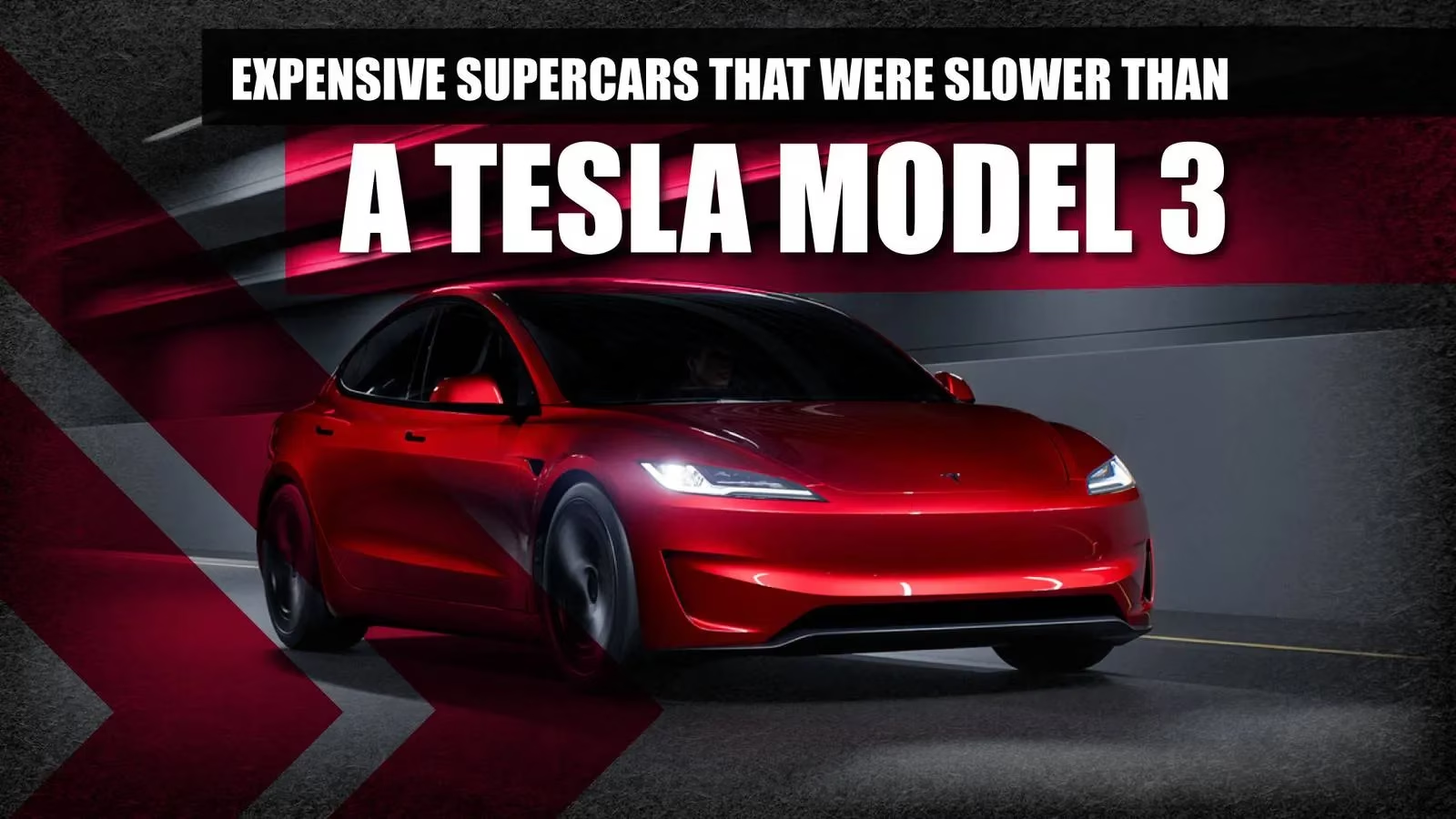
What few expected is exactly how many exotic machines the humble Model 3 leaves behind when the lights go green. Below are ten supercars, hypercars, and icons that, for all their engineering glory and stratospheric price tags, simply cannot keep up with the sub-$60,000 Tesla in a straight line to 60 mph.
Ferrari F50 – A Full Second Adrift
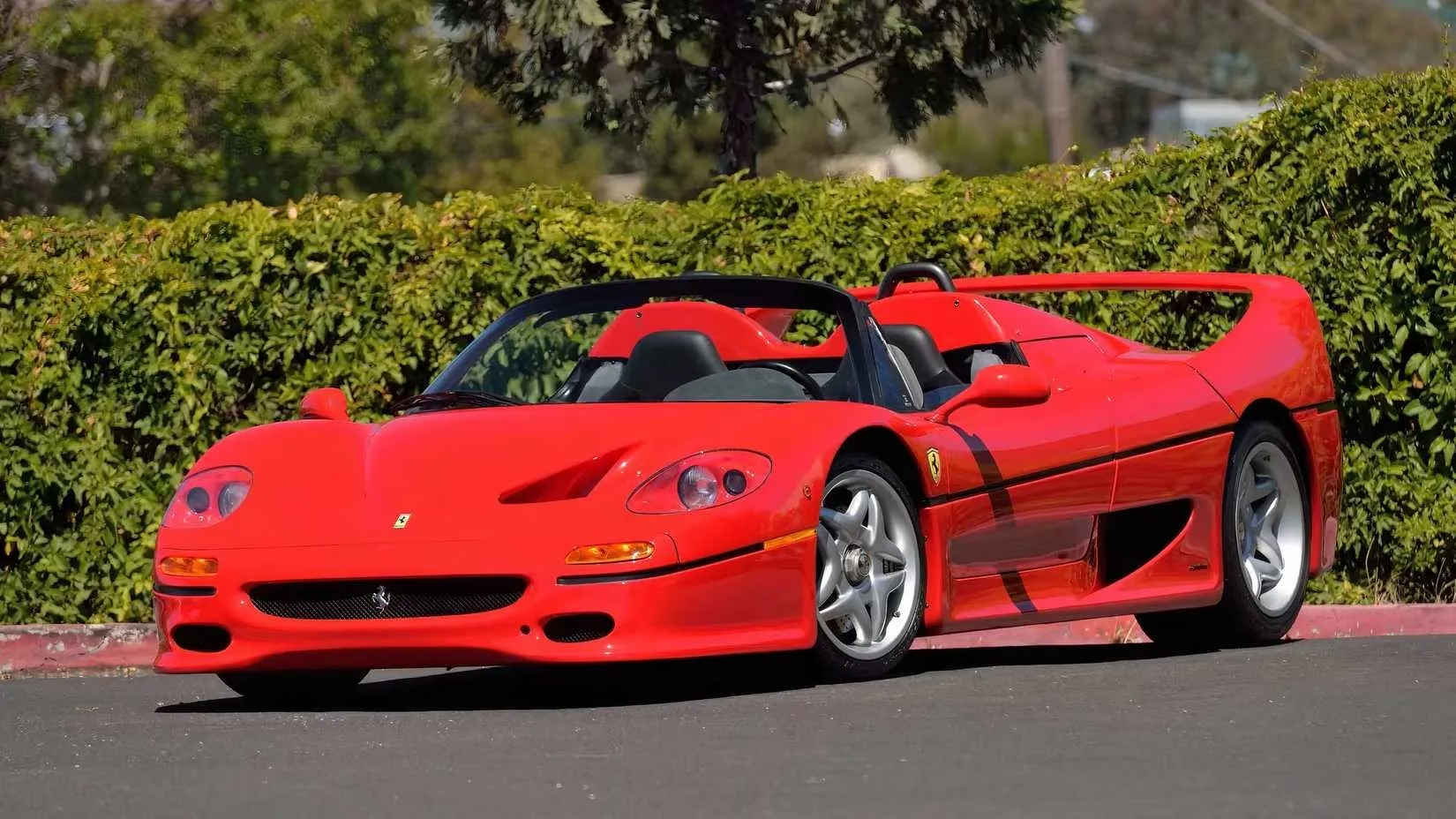
The Ferrari F50 is a 1990s hypercar legend, powered by a 4.7‑liter naturally aspirated V12 that channels Formula 1 DNA. Its 0–60 mph time of 3.8 seconds feels brisk until you realize the Tesla is a full second quicker. Today, an F50 commands an average value of $4.3 million – approximately 80 times the cost of the Model 3 Performance. While the Ferrari eventually stretches its legs to 202 mph and delivers an unforgettable gated-manual soundtrack, the EV simply vanishes off the line, proving that modern electric torque is the great equalizer.
Porsche 911 Carrera (992.2) – Precision Meets Its Match
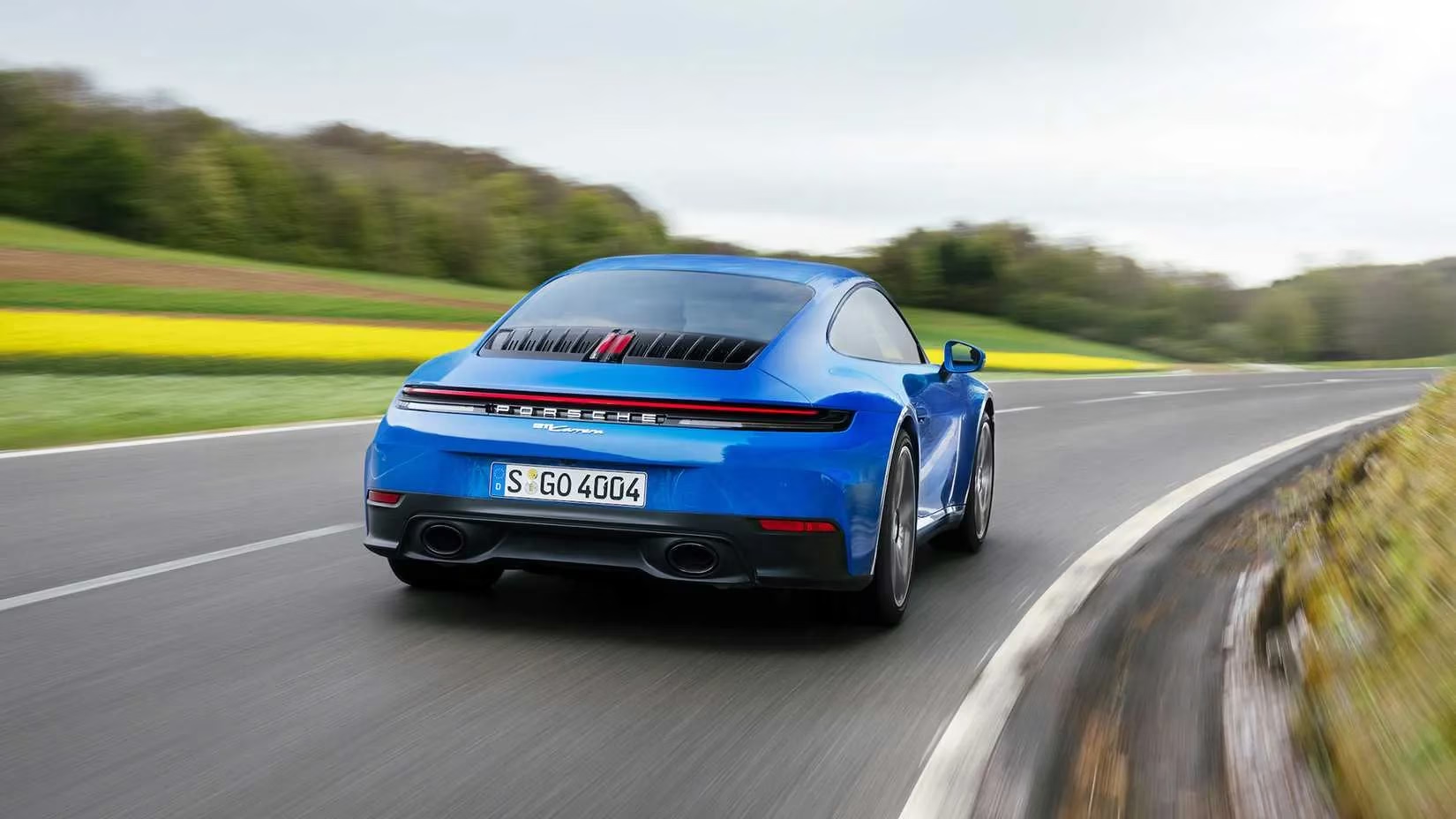
The brand‑new 992.2‑generation Porsche 911 Carrera is the only current-production car on this list. Its 3.0‑liter twin‑turbo flat‑six and 8‑speed PDK deliver a 3.6‑second 0–60 mph run, 0.8 seconds behind the Tesla. With a starting price of $127,700, the 911 costs more than double the Model 3 Performance, yet the electric sedan walks away from it at every stoplight. The Porsche fights back with razor‑sharp handling, heritage dating back over half a century, and unmatched driving engagement – attributes that still make it the gold standard of sports cars.
Lamborghini Murciélago LP670‑4 SV – V12 Fury, Humble Launch
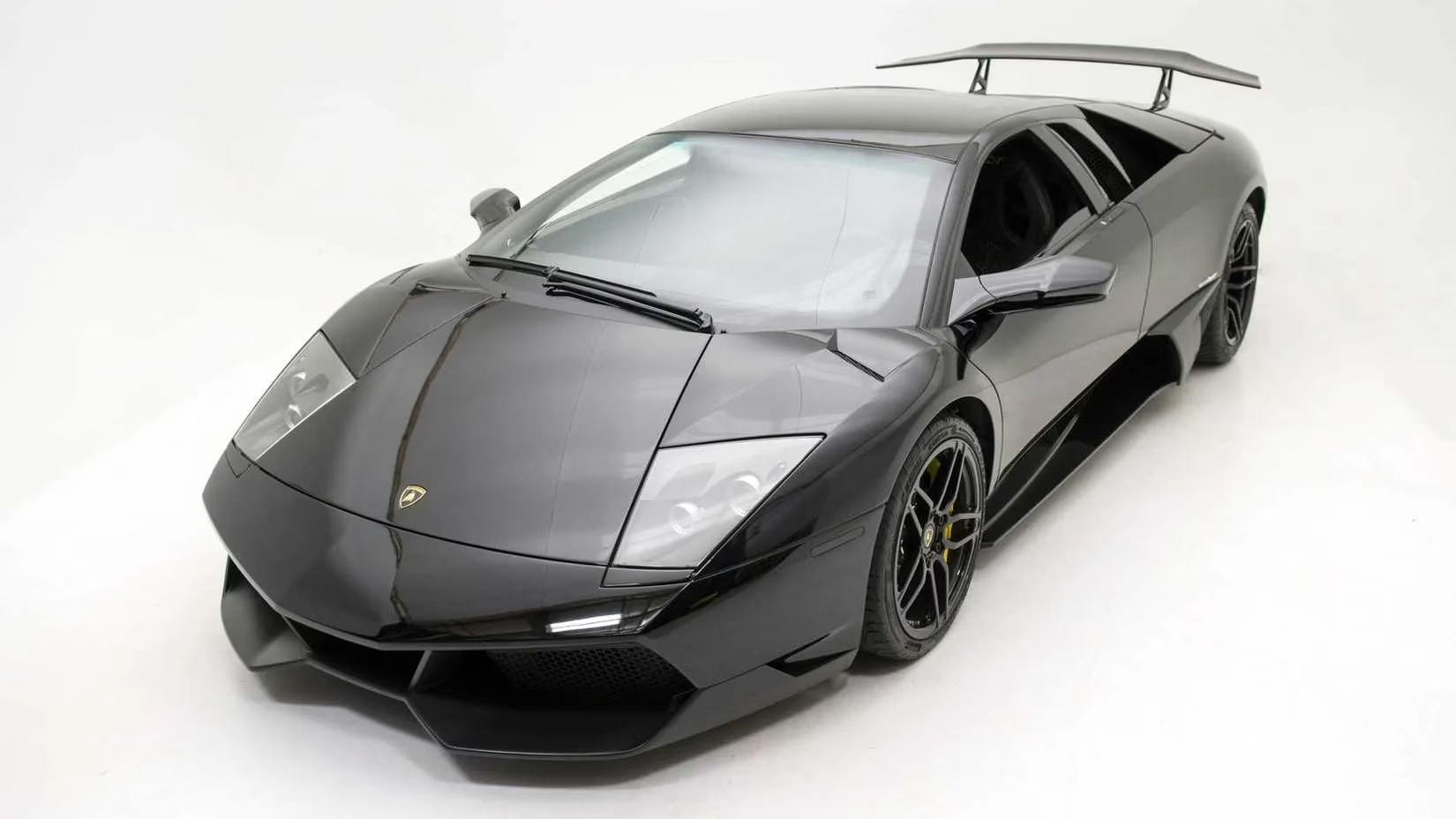
The Lamborghini Murciélago LP670‑4 SuperVeloce wields a 6.5‑liter naturally aspirated V12 producing 670 hp, enough to reach 60 mph in 3.2 seconds – still 0.4 seconds slower than the Model 3 Performance. With an average used value of $615,254, over ten times the price of the Tesla after tax credits, the Murciélago offers a 213 mph top speed and a V12 symphony that no EV can mimic. On a drag strip, however, the instant torque of the Tesla makes the Lamborghini feel analogue rather than dominant.
Audi R8 V10 Plus – Ten-Cylinder Melody Outpaced
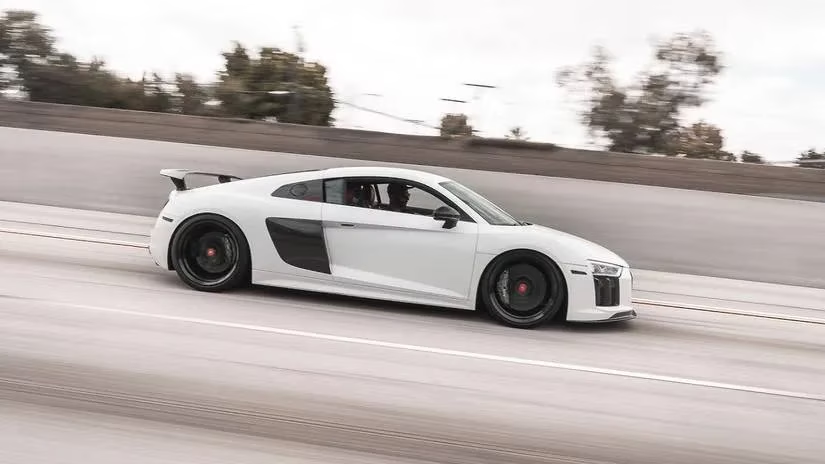
Audi’s mid‑engined R8 V10 Plus deploys a 5.2‑liter naturally aspirated V10 that rockets to 60 mph in 3.2 seconds, matching the Murciélago’s time. Priced at about $149,724 on the used market, it offers a high‑revving 610 hp and a 205 mph top speed. The Tesla Model 3 Performance, however, undercuts the R8 by nearly $100,000 while being 0.4 seconds quicker to 60. The Audi retains a soulful exhaust note and Quattro grip, but in the sprint to legal speeds, the silent EV reigns.
McLaren F1 – The $18.5 Million Icon Trails
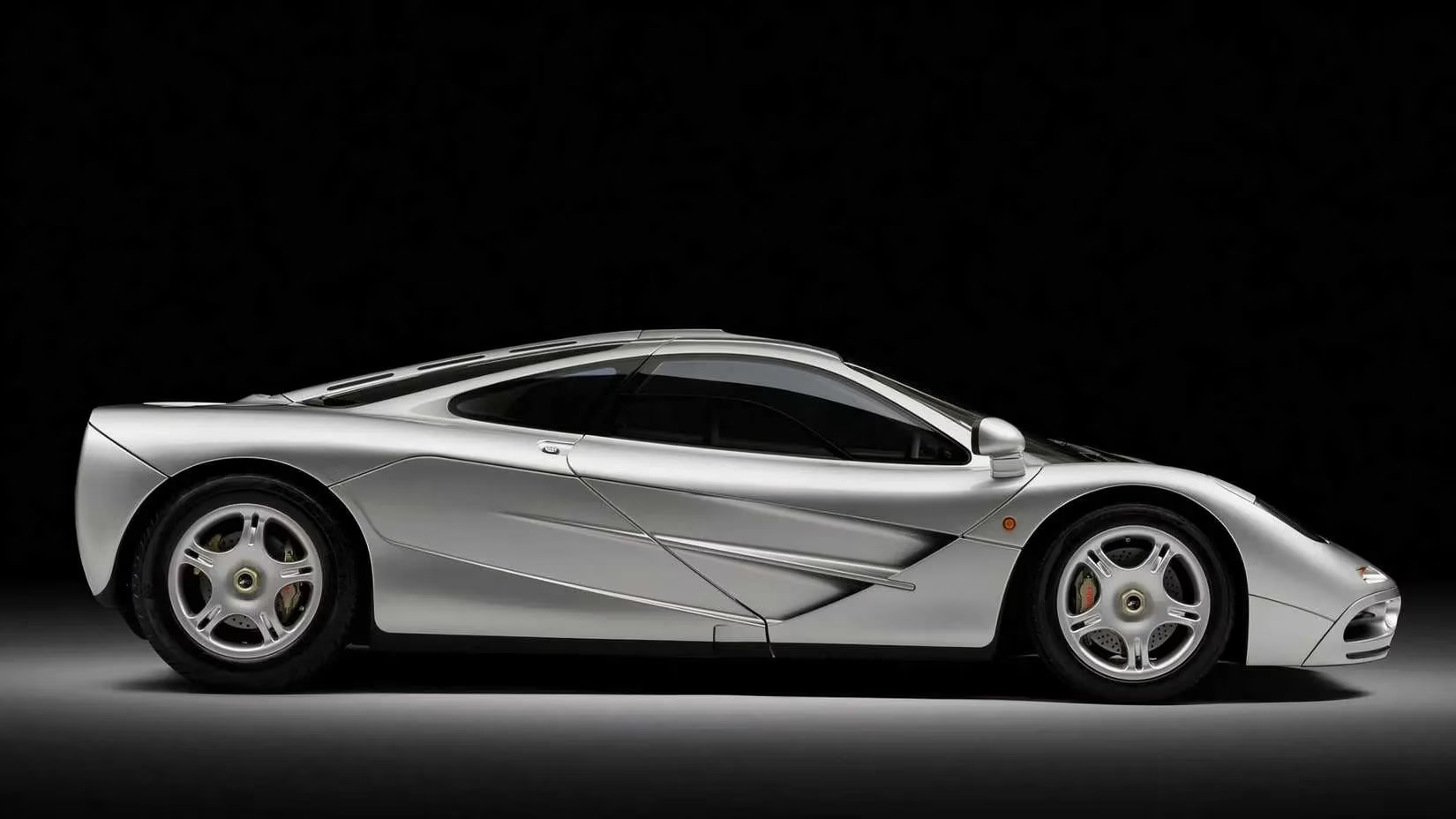
Arguably the most revered supercar ever built, the McLaren F1 achieves 0–60 mph in 3.2 seconds, just 0.4 seconds behind the Tesla. Current valuations hover around an astronomical $18.5 million, making the Model 3 Performance roughly 340 times more affordable. The F1’s 6.1‑liter V12 and 6‑speed manual still hold the record for the fastest naturally aspirated production car, topping out at 240 mph. The Tesla wins the traffic‑light grand prix, but the F1’s central driving position and pure analog feel ensure it remains untouchable in collectors’ hearts.
Porsche 911 GT3 RS (991.2) – Track Weapon Stunned
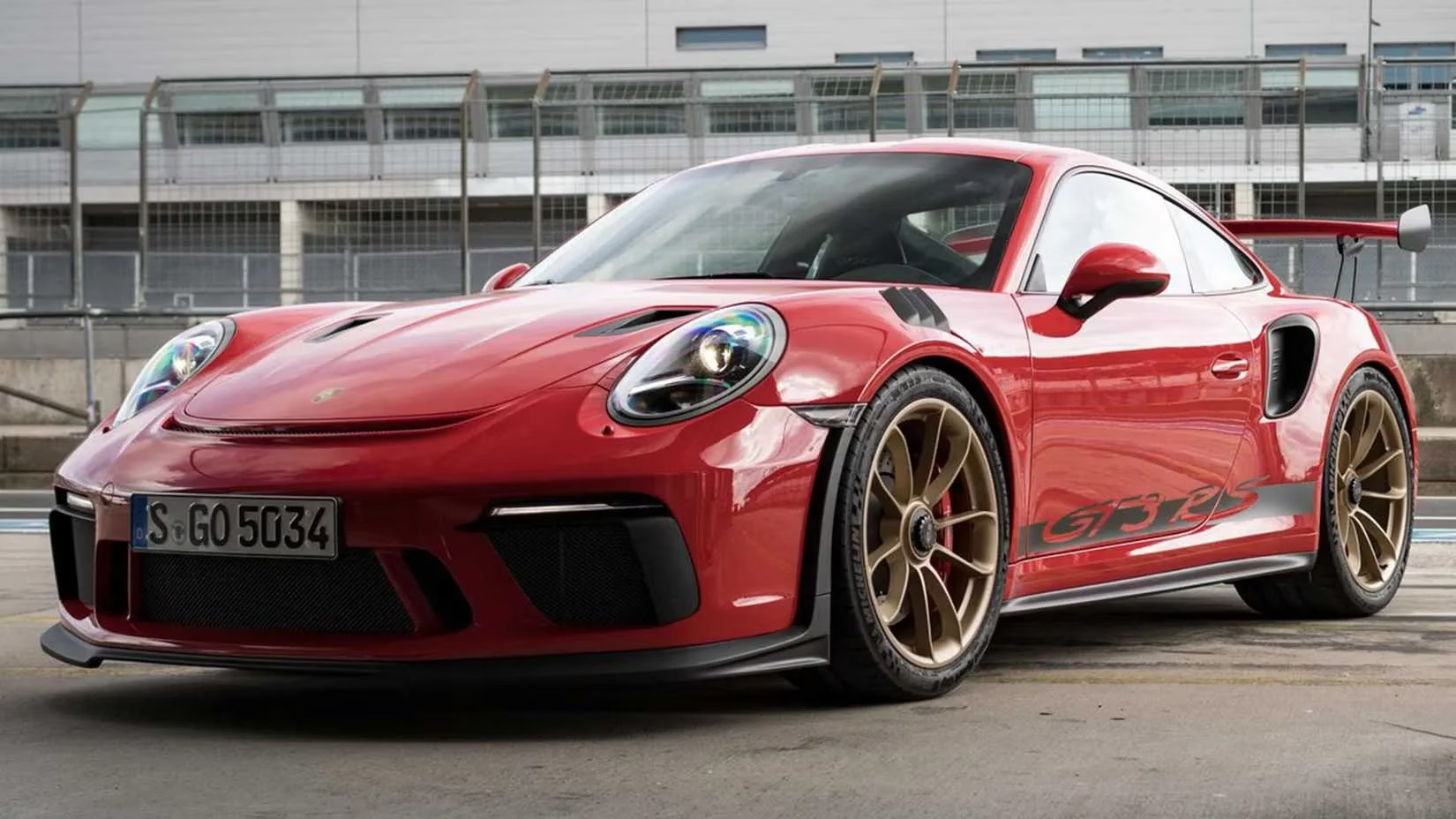
The 991.2 GT3 RS is a track‑focused masterpiece with a 4.0‑liter naturally aspirated flat‑six that howls to 8,250 rpm. It sprints to 60 mph in 3.1 seconds, a mere 0.3 seconds slower than the Tesla, while its current used value sits at $238,815. The Model 3 Performance costs less than a quarter of that and still manages to edge ahead from a standstill. The Porsche’s motorsport pedigree, downforce-generating aerodynamics, and visceral flat‑six wail make it a far more rewarding companion on a racetrack, but straight‑line bragging rights belong to the silent sedan.
Ferrari 458 Italia – Exotic Glamor, Electric Edge
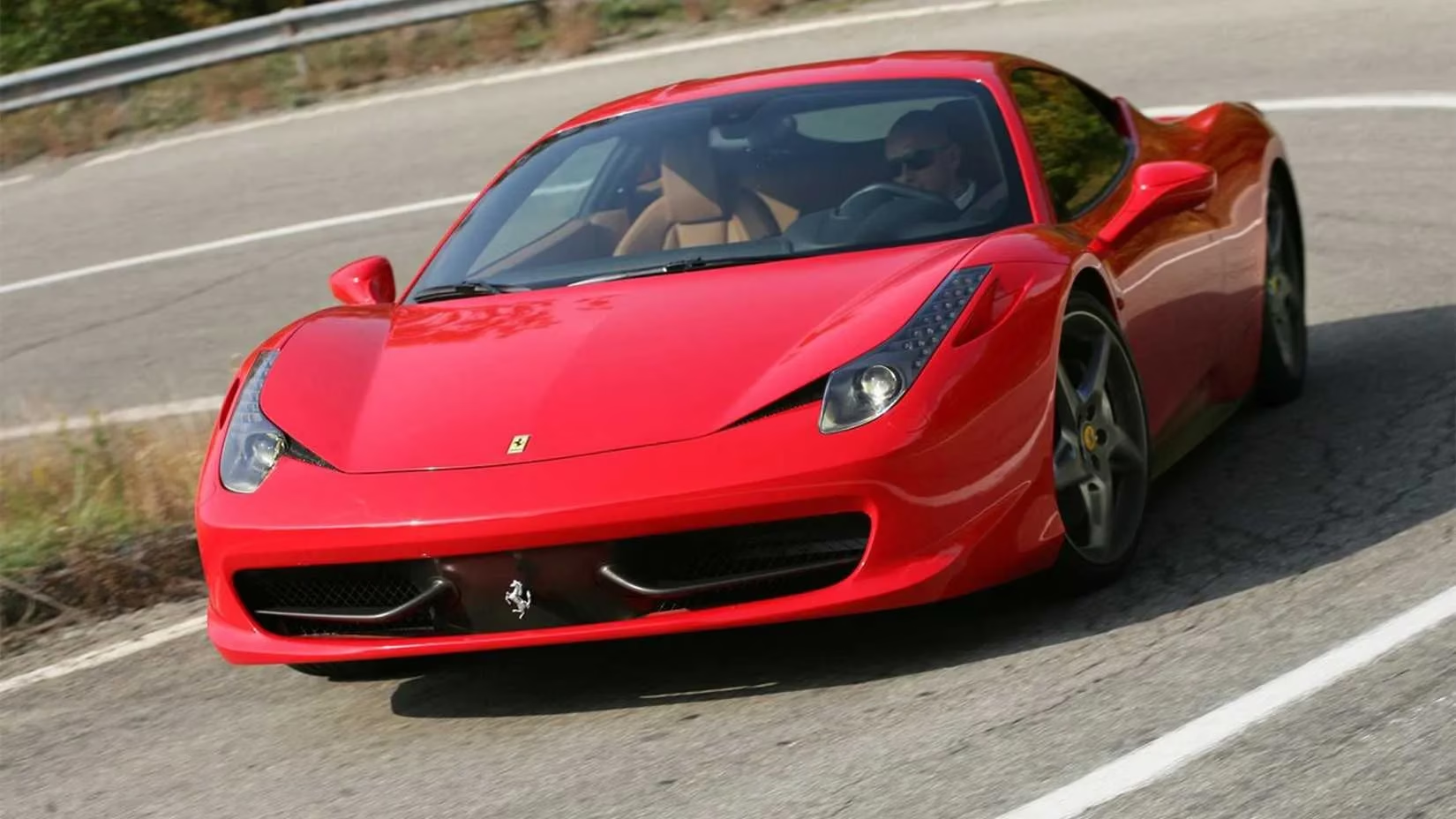
The Ferrari 458 Italia remains a benchmark of naturally aspirated performance. Its 4.5‑liter V8 and 7‑speed dual‑clutch gearbox propel it to 60 mph in 3.0 seconds – just 0.2 seconds behind the Tesla. With an average value of $271,206, the 458 is about five times the price of a new Model 3 Performance. It counters with a 9,000 rpm redline, exotic Italian styling, and a 202 mph top speed. The Tesla proves quicker off the line, but the 458’s howling V8 leaves an emotional mark EVs are still chasing.
Noble M600 – Analog Brutality vs. Digital Speed
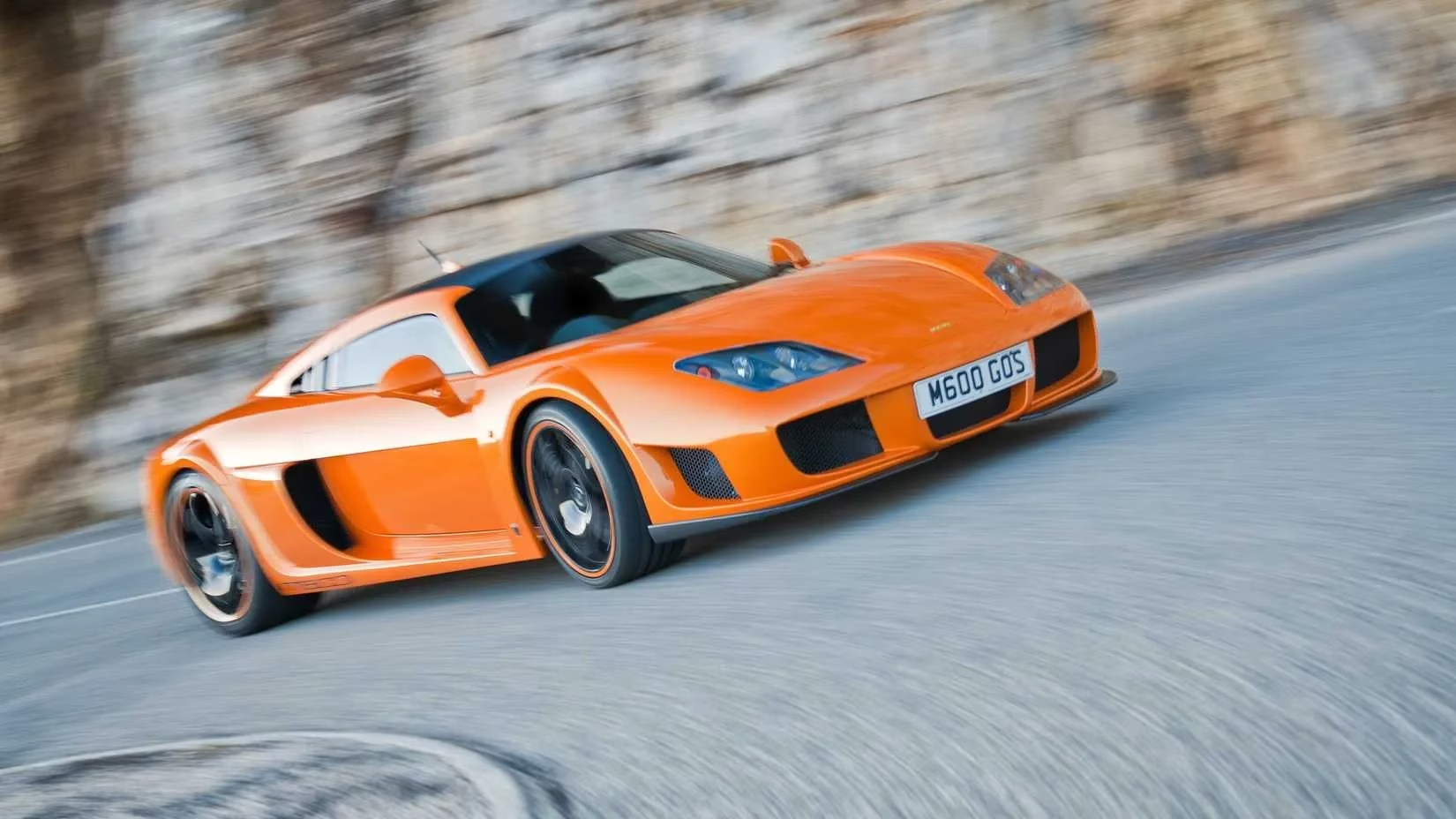
Powered by a Yamaha‑developed 4.4‑liter twin‑turbo V8, the Noble M600 hits 60 mph in 3.0 seconds – 0.2 seconds slower than the Tesla. With an estimated value of $258,286, it offers 650 hp, a manual gearbox, and absolutely no electronic nannies. The M600 continues to a 225 mph top speed, outrunning many modern supercars. The Model 3 Performance may be quicker from a standstill, but the Noble delivers a raw, unfiltered driving experience that purists adore.
Pagani Huayra – Handcrafted Hypercar Caught Napping
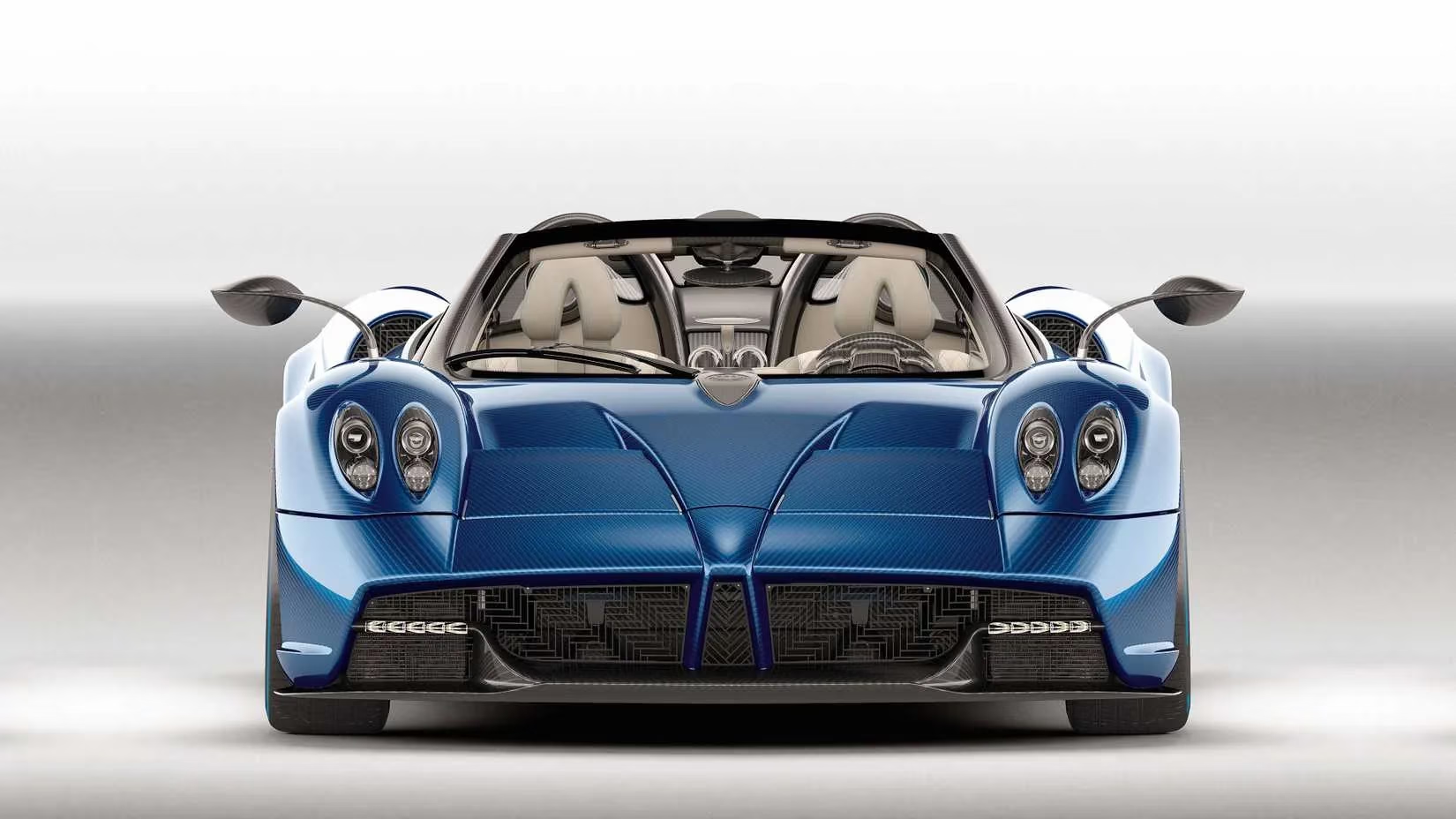
The Pagani Huayra features an AMG‑sourced 6.0‑liter twin‑turbo V12 that generates 730 hp and 738 lb‑ft of torque. It reaches 60 mph in 3.0 seconds, on par with several others here but 0.2 seconds behind the Tesla. With a current valuation of $2.8 million, the Huayra is a rolling piece of art that blends exquisite craftsmanship with a 238 mph top speed. The Model 3 Performance trumps it in the 0‑60 dash, but the Pagani’s theater of carbon fiber, leather, and V12 thrust is a sensory overload that no EV can replicate.
Chevrolet C7 Corvette Z06 – America’s Supercharged Hero
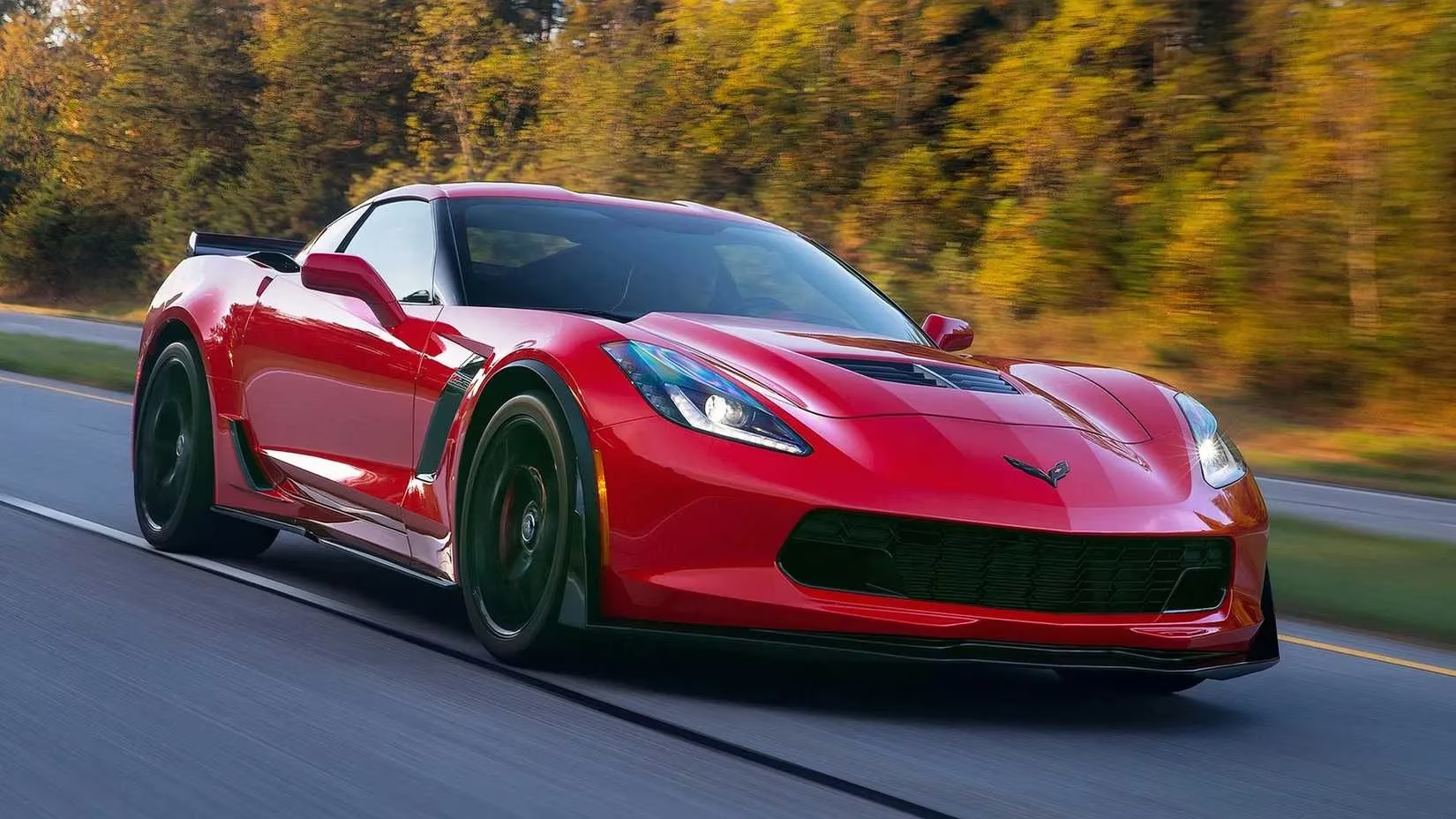
The only supercharged V8 on this list, the C7 Corvette Z06, channels 650 hp from its 6.2‑liter mill. It records a 0–60 mph sprint in 2.95 seconds, a razor‑thin 0.15 seconds slower than the Tesla Model 3 Performance. The Z06’s average used price of $76,056 is noticeably higher than the Model 3’s post‑tax‑rebate price of $47,490, yet the Tesla still noses ahead off the line. The Corvette fires back with a 196 mph top speed, the option of a manual transmission, and a legacy stretching back to 1963. The electric sedan may be the quicker commuter, but the Z06’s supercharged roar solidifies its status as an American performance icon.
In a world increasingly governed by electrons and instant torque, the 2024 Tesla Model 3 Performance has rewritten the rulebook on what affordable speed looks like. For the price of a modestly optioned luxury sedan, it humiliates ten of the most revered sports cars ever created in the 0–60 mph dash. Yet the reality is nuanced: those supercars offer top speeds, auditory theatrics, and emotional engagement that no EV currently replicates. The Tesla wins the numbers game with embarrassing ease, but the souls of the F50, Huayra, and F1 are forged in cylinders and octane – and that remains a currency no kilowatt-hour can buy.
Leave a Comment
Comments