Subaru Tests EV Charging on Remote St. Helena in 2026
Subaru has turned one of the world's most isolated communities into a real-world laboratory for electric mobility. On St. Helena, a South Atlantic island about 1,200 miles off the coast of Africa, the automaker installed a public EV charging station and put the all-electric Solterra through a two-month trial on local roads. The project, developed with Norwegian charger brand Easee and the St. Helena government, was designed to answer a question that still matters in 2026: can electric vehicles work in places where infrastructure is thin, fuel arrives by ship, and road surfaces are far from predictable?
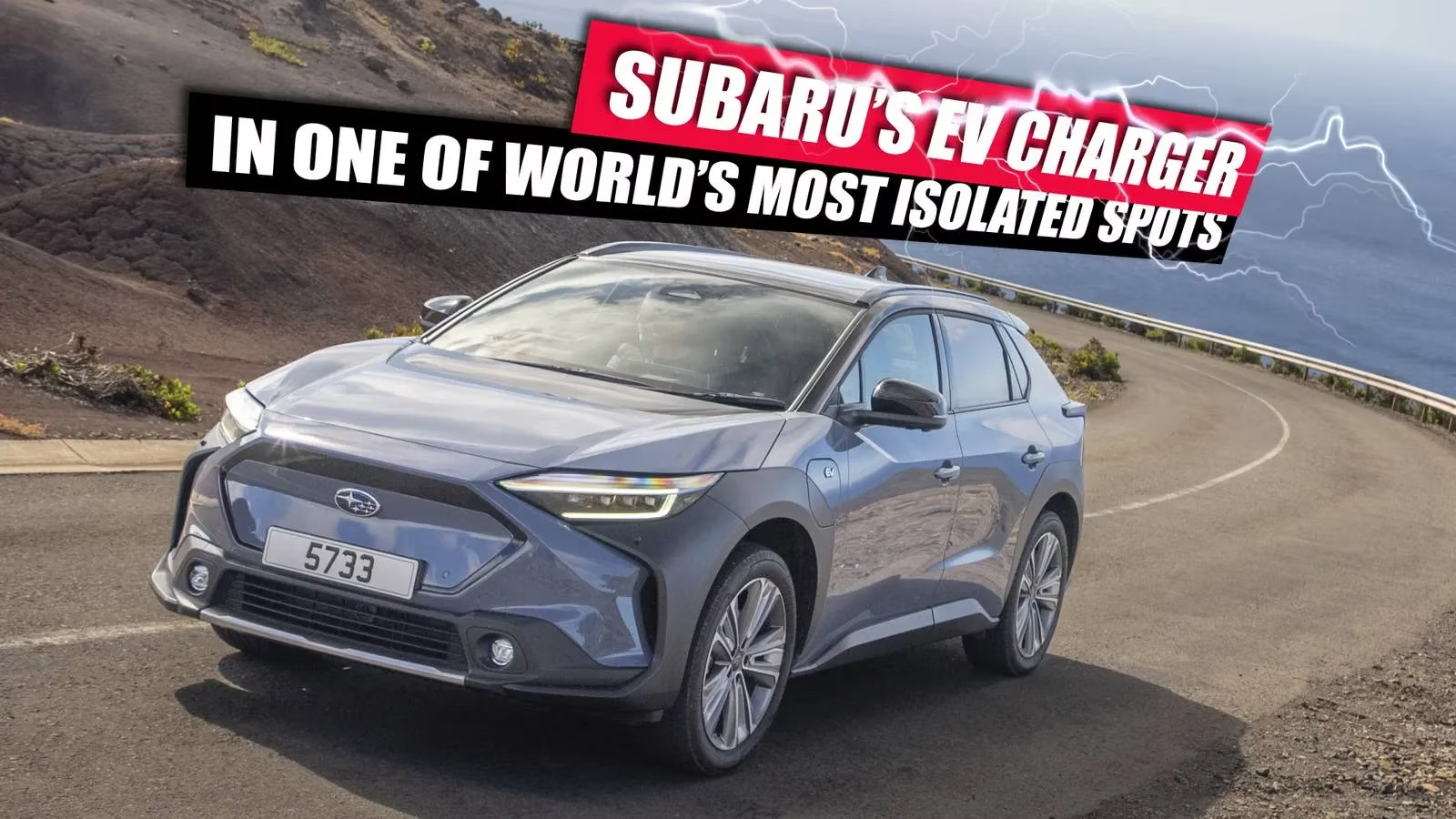
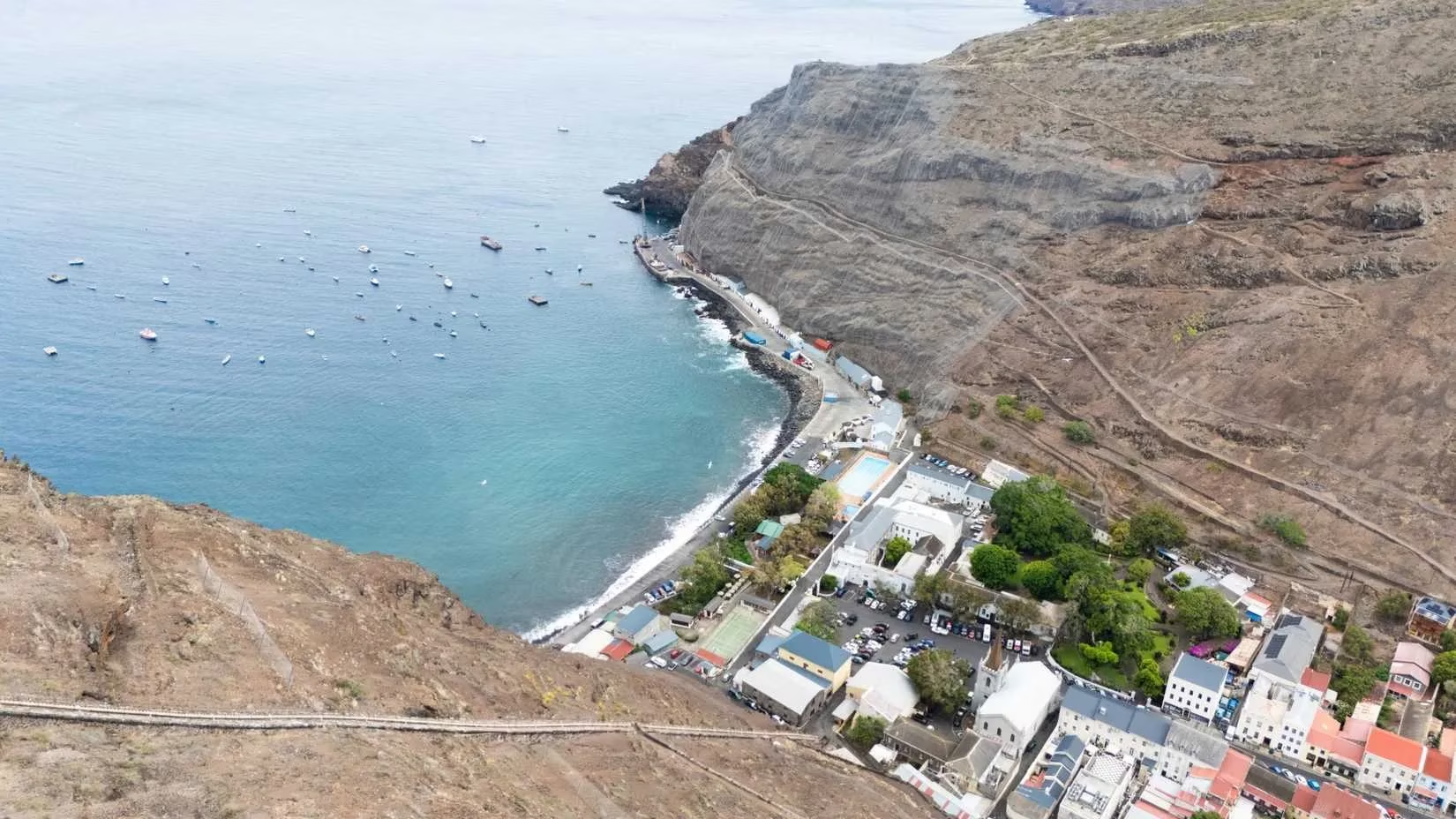
St. Helena is known for two distinctive claims to fame: it was Napoleon's final place of exile, and it is home to Jonathan, a 192-year-old tortoise. It is also a community that relies heavily on diesel and gasoline vehicles. The island's power mix is roughly 25% wind and solar, with the remainder coming from a diesel power station. Fuel is shipped in from South Africa every year, a logistical burden that makes local renewable energy and zero-emissions transport especially attractive.
🔌 A charger beside the museum in Jamestown
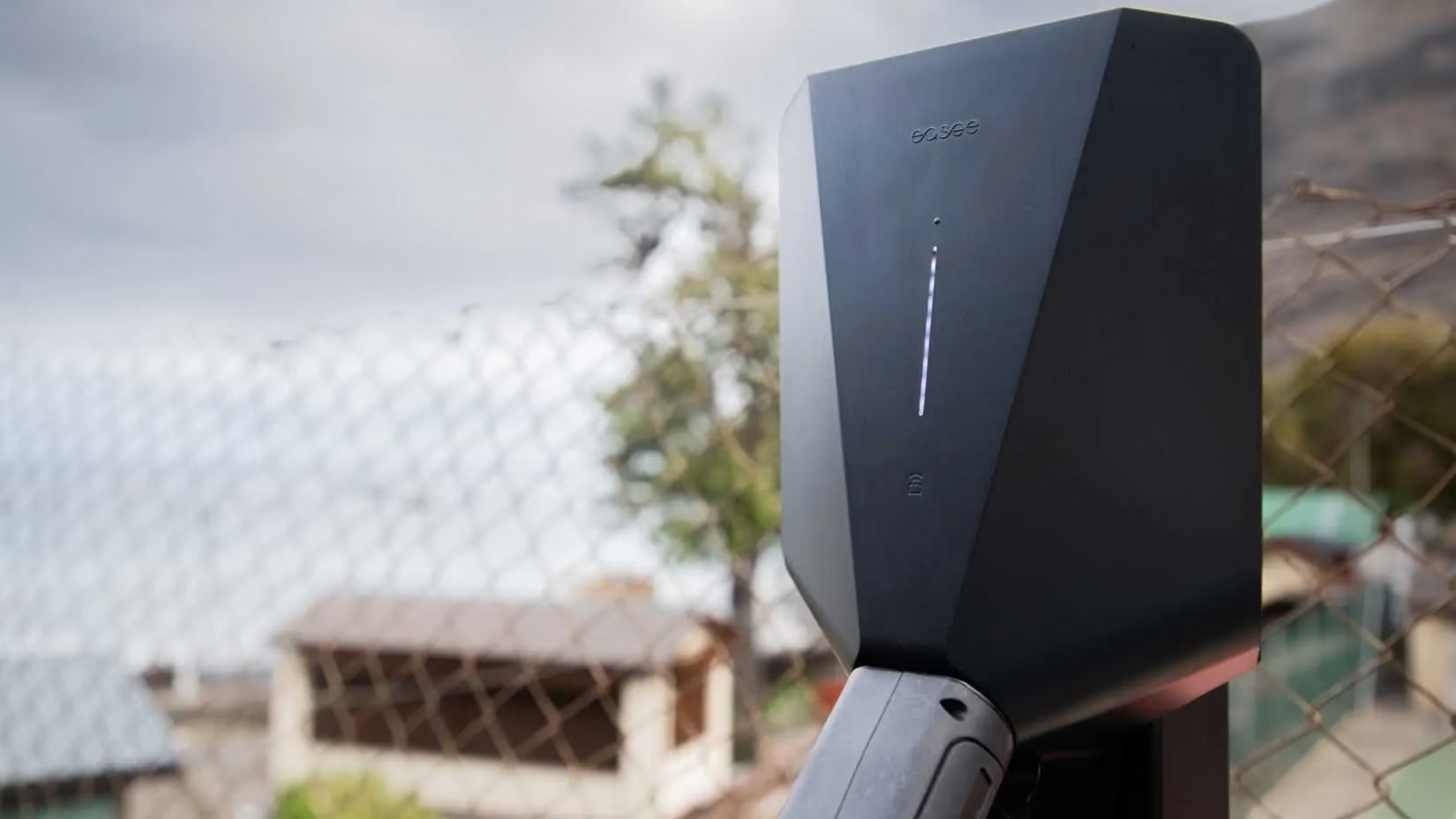
The charging unit was installed beside the museum in Jamestown, the capital. Island power provider Connect St Helena Ltd supplied the electricity, while the Easee Charge unit served as the public charging point. The trial was not limited to plugging in a car and checking a meter. Subaru also evaluated how the Solterra handled the island's varied roadways, including streets in Jamestown that are not always sealed and can be difficult to navigate.
| Trial element | Detail |
|---|---|
| Location | Jamestown, beside the island museum |
| Charger | Easee Charge unit |
| Power provider | Connect St Helena Ltd |
| Vehicle tested | All-electric Subaru Solterra |
| Trial length | Two months |
| Battery result | About 20% decrease after a full day of driving |
| Island generation mix | About 25% wind and solar; remainder diesel |
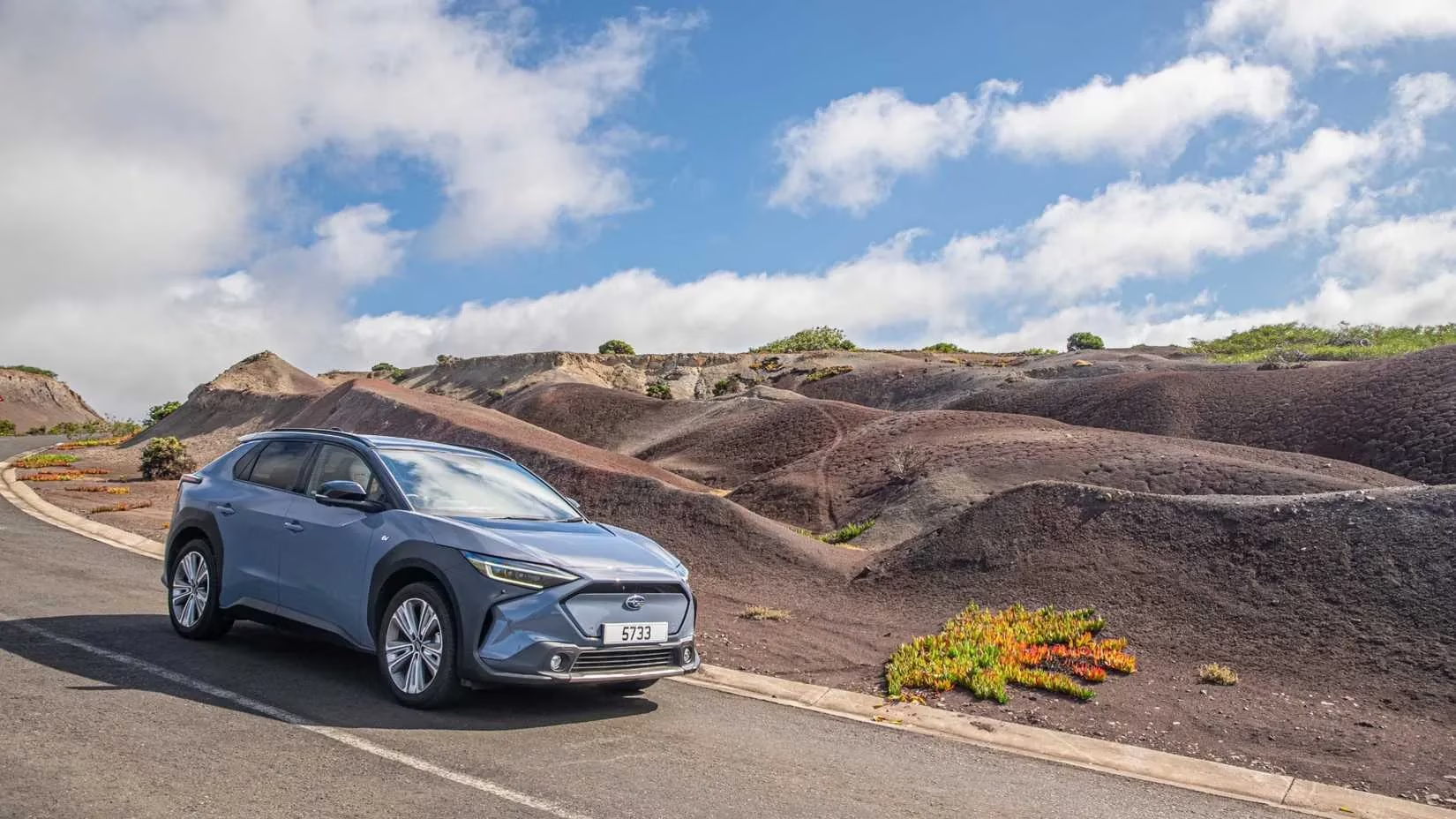
The Solterra is not a fragile city EV. Subaru's Symmetrical All-Wheel Drive and X-Mode systems were well suited to the island's terrain, giving the vehicle a rugged and practical character that matched local needs. That matters because St. Helena already uses Subaru vehicles for their capability, even though the island has not had modern EV technology. The trial therefore tested both the charger and the vehicle in conditions that are far removed from a typical suburban charging network.
🚙 Range and regeneration on rugged roads
After a full day of driving, the Solterra's battery decreased by only about 20%. Regenerative braking helped recover energy during stops and slow sections, supporting the vehicle's efficiency on the island's roads. For a remote community, that kind of real-world result is more useful than laboratory range figures. It suggests that a modern EV can cover daily island journeys without demanding constant charging.
St. Helena intends to switch to sustainable power and zero-emissions transport by the end of the decade. The island also wants 80% of its power to come from wind and solar within three years. Those are ambitious targets for a small, remote economy, but the Subaru trial provides a practical data point. It shows that charging infrastructure can be installed in an isolated location and that an EV can handle local conditions when the vehicle is designed for them.
🌍 Why the St. Helena trial still resonates in 2026
The project was announced in early 2025, but its lessons remain relevant in 2026 as automakers and governments debate charging deserts, rural EV adoption, and the cost of extending infrastructure beyond dense urban markets. St. Helena is an extreme case, yet the basic challenge is familiar: limited grid capacity, imported fuel, uneven roads, and a small population that cannot support a large charging network on its own.
Subaru and Easee worked with the St. Helena government on the project, and the charger was set to remain on the island for now. More electric cars were expected to be imported shortly after the trial. Subaru said the Solterra was a hit with those on the island, making the test a win for both teams.
⚡ The bigger picture
For Subaru, the St. Helena project is a small but symbolic step in demonstrating EV feasibility outside familiar markets. For St. Helena, it is a test of whether a remote island can reduce its dependence on imported diesel and move toward cleaner transport. The trial does not prove that every isolated community can switch to EVs overnight, but it does show that the barriers are not always technical. With the right charger, the right vehicle, and local cooperation, even a tiny island in the South Atlantic can begin to explore an electric future.
🐢 As Jonathan the tortoise continues to draw visitors to St. Helena, the island's EV experiment offers a different kind of attraction: a case study in how remote communities might modernize their transport without waiting for the rest of the world to build a charging station first.
Leave a Comment
Comments