Polestar 7: The Compact SUV That Wants to Steal the Macan's Spotlight
Polestar has never been a company that does things by half measures. The Swedish electric marque, born from Volvo and raised on minimalist design and sharp chassis tuning, has spent the past few years building a family of sedans and low-slung SUVs. Now that family is getting a new member with a very different silhouette. The Polestar 7 is coming, and it is rolling up its sleeves for a fight in the premium compact SUV ring.
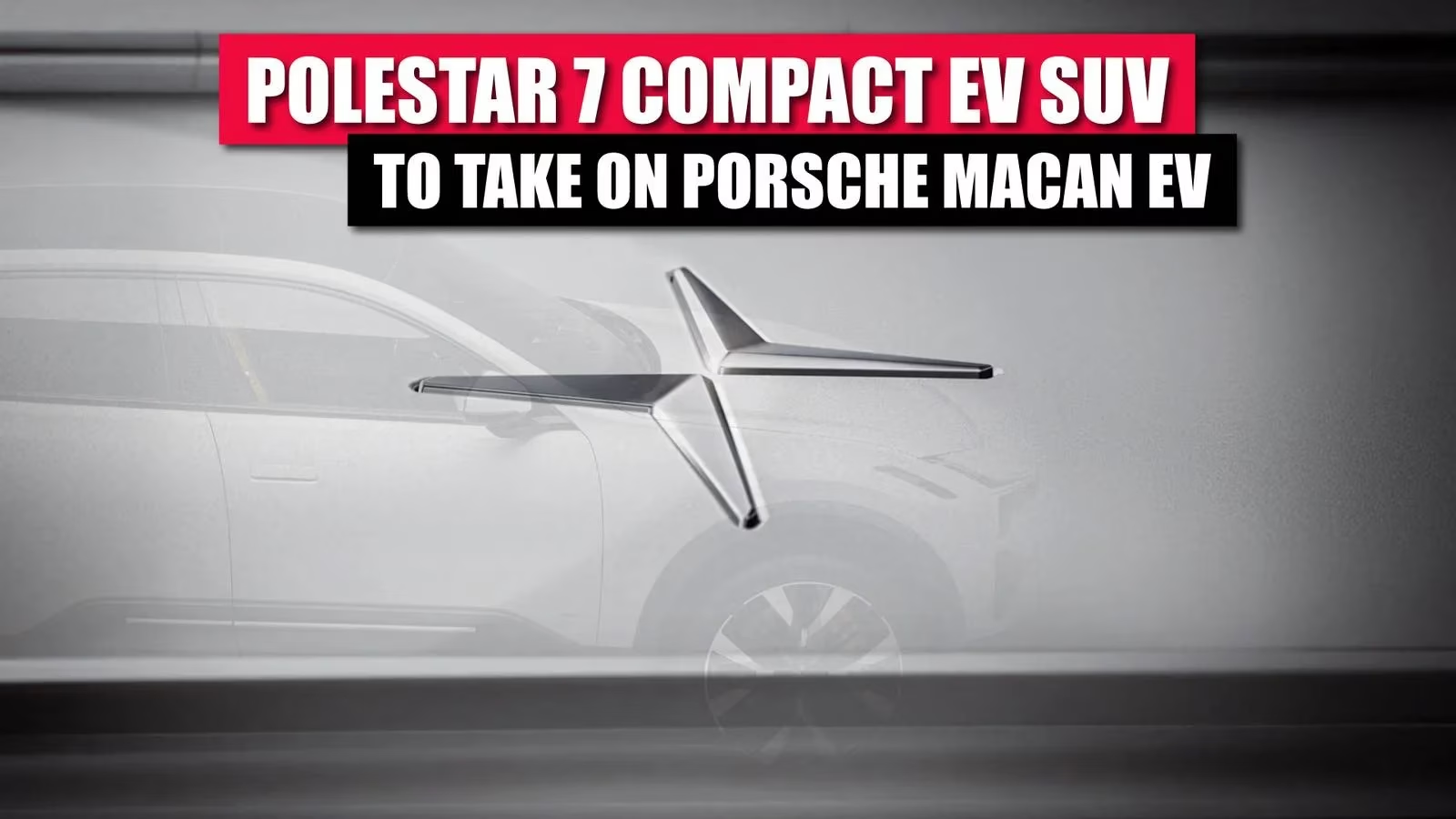
The announcement was classic Polestar: calm, clipped, and light on specifics. The company confirmed that the 7 will be a premium compact SUV, that it will be built in Europe, and that it will help move the brand from a patchwork of electric vehicle platforms to one single architecture across its lineup. What Polestar did not share was a launch timeline. As 2026 unfolds, the 7 remains a promise rather than a showroom fixture, and that silence has done little to cool the chatter around it.
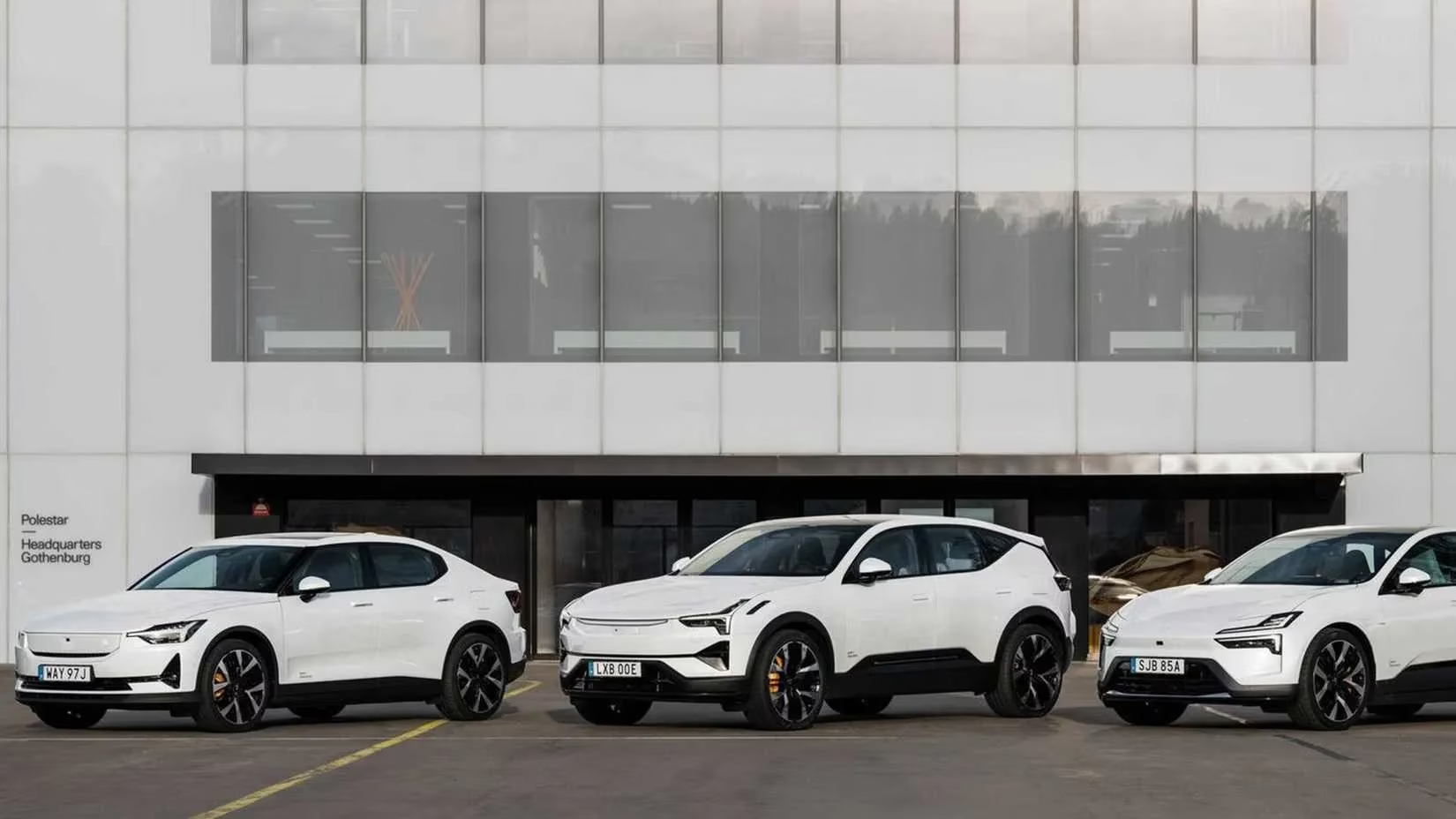
On paper, the logic is easy to follow. Polestar already sells the 3 and the 4, two models that brush against the compact crossover space in their own ways. But the 7 is expected to be the more traditional SUV of the bunch, with a taller stance, a roomier cabin, and the kind of premium finish that luxury buyers expect. That puts it directly in the path of the Porsche Macan EV and the Audi Q6 e-tron, two rivals that have already planted their flags in the electric compact luxury segment. No pressure, right?
The 7 is not just another badge on a growing list. It is the seventh model in a lineup that has sometimes felt like a family reunion with too many name tags. Polestar's naming scheme has confused more than a few observers, and the company knows it. Sedans, low-slung SUVs, grand tourers, roadsters, and now a compact SUV: the numbers are multiplying faster than the explanations. Yet the 7 has a clear job. It must be the practical, premium, Europe-built answer to the question that many EV buyers are still asking: what if I want something electric, luxurious, and genuinely useful without driving a bus?
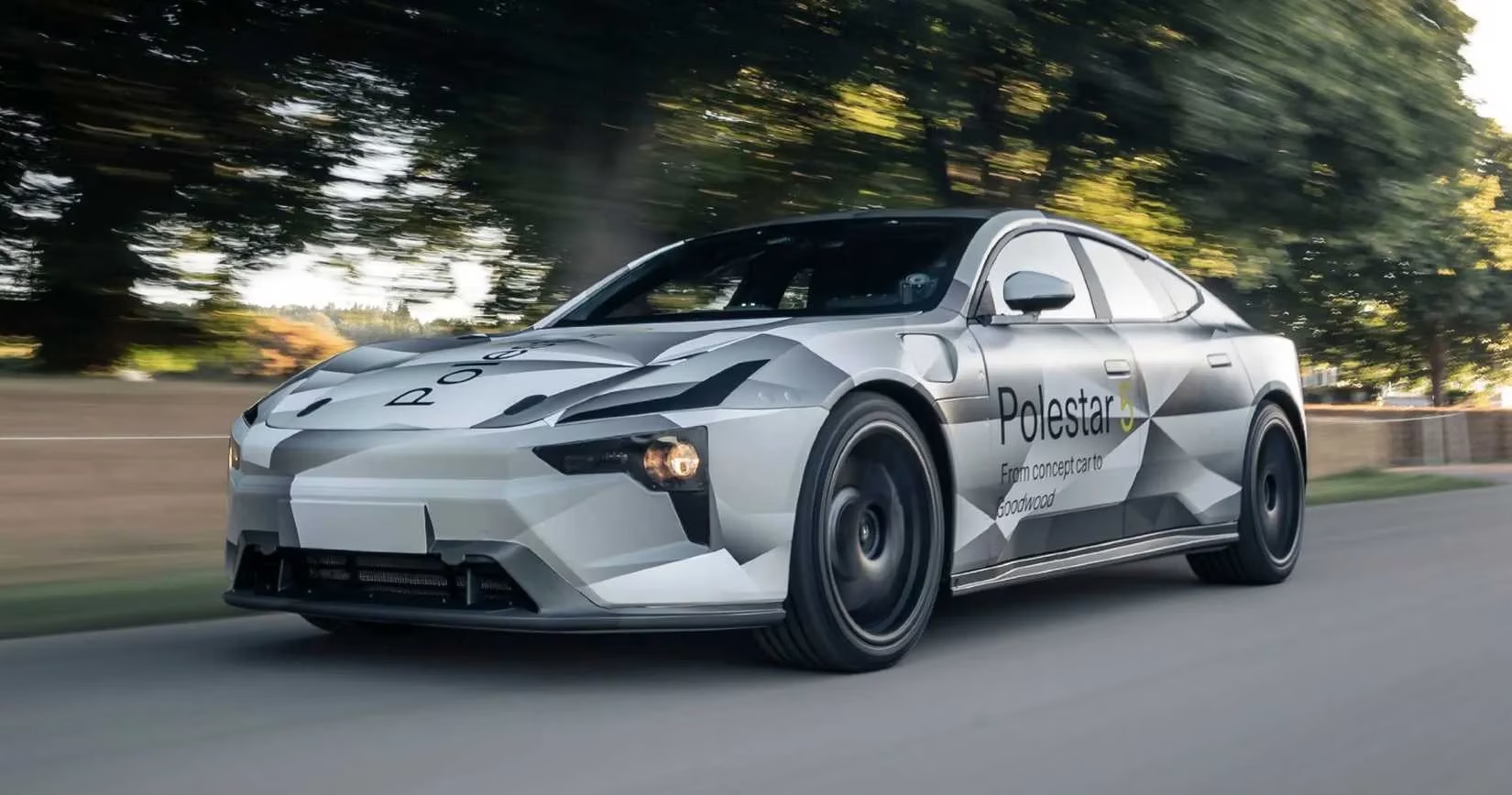
Before the 7 arrives, Polestar has other cards to play. The Polestar 5, a large and luxurious grand tourer, was slated to lead the charge. It has already shown its face, and the numbers are serious: 884 horsepower from two electric motors, a 103.0-kWh battery pack, and a range of at least 300 miles. That is not a warm-up act. That is a statement. After the 5, the Polestar 6 joins the lineup, followed by a small electric sports car inspired by the 02 Concept. The 7, then, is part of a broader push rather than a lone gamble.
| Model | Role in the lineup | What we know |
|---|---|---|
| Polestar 7 | Premium compact SUV | Europe-built, single-architecture future, no confirmed launch date |
| Polestar 5 | Luxury grand tourer | 884 hp, dual-motor, 103.0-kWh battery, at least 300 miles of range |
| Polestar 6 | Sports car | Follows the 5 into the lineup |
| 02 Concept-based model | Small electric sports car | Future entry inspired by the concept |
The bigger story is the platform shift. Moving to one architecture for the entire lineup is the kind of decision that looks dull in a press release and matters enormously in the real world. It can simplify production, trim costs, and make it easier for Polestar to scale. Building the 7 in Europe adds another layer of strategy, especially as the brand tries to sharpen its premium identity against German rivals with deep electric pedigrees.
Still, the compact luxury EV segment is not a polite dinner party. The Macan EV has Porsche's badge and chassis reputation. The Q6 e-tron has Audi's cabin craftsmanship and dealer network. The Polestar 7 will need more than clean Scandinavian lines and a good screen. It will need to feel special, drive well, charge quickly, and justify its premium price in a market that is growing more crowded by the month. That is the blank space in Polestar's plan, and it is a big one.
For now, the 7 sits in that familiar pre-launch fog: enough information to spark interest, not enough to end the debate. Polestar has confirmed the concept, the positioning, and the production philosophy. It has not confirmed the date, the final specs, or the price. The 7 is the quiet sibling standing at the edge of the family photo, waiting for its moment. When that moment comes, it will have to bring its A-game. The Macan and the Q6 e-tron are not going to move aside politely.
What is clear is that Polestar is no longer just a niche experiment with a Volvo accent. It is building a full family, and the 7 is the member meant to do the everyday heavy lifting. If Polestar gets it right, the 7 could become the brand's most important model yet, not because it is the fastest or the flashiest, but because it is the one most people might actually buy. That is a simple goal. It is also the hardest one to pull off. The 7 has a seat at the table. Now it has to earn the room.
Leave a Comment
Comments