My Tesla Model 3 Is the Default Loadout: 10 Alternatives I’d Test Drive in 2026
I am a professional gamer, and I treat real cars the way I treat loadouts in a co-op shooter. The Tesla Model 3 has been my default pick for years. It is everywhere in the US — outside supermarkets, outside my house when a taxi app pings — and it is still one of the best-selling cars in the world. My 2023-refresh mental model has a sleeker look, an EPA-estimated 363 miles of range, and a 15-minute charging stop that can add up to 195 miles. The Performance trim is the speedrun build: 0–60 mph in 2.9 seconds. Inside, the premium materials and clever tech — cabin preconditioning from anywhere, Dog Mode for my furry co-op partner — make it feel like a game menu I already know. At $44,130, it is not cheap, but it is reasonable for what it does, and it is cheap to maintain. So why am I writing this? Because every good player knows the default loadout is not the only viable build.
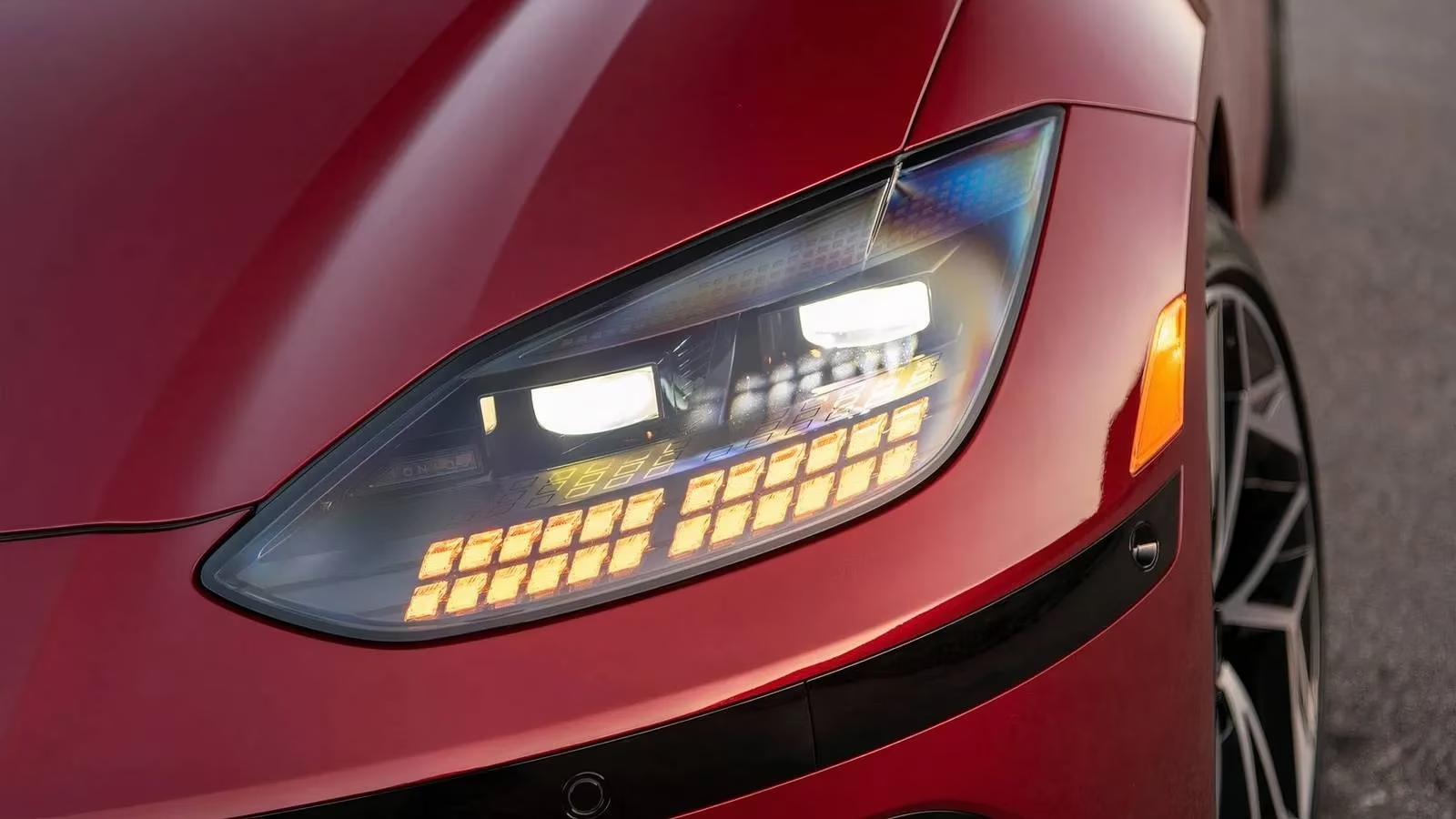
For 2026, I am doing what I do in every new season: I am reading patch notes, testing side grades, and asking whether a hybrid or a different EV fits my play style better. The answer is not always more tech. Sometimes it is more buttons, more range, or a smaller hitbox. Here is my shortlist, with the figures I jotted down and the vibes I got from each machine.
| Build | Type | Starting figure | Why it is on my list |
|---|---|---|---|
| Tesla Model 3 | EV | $44,130 | The default; 363 mi, 2.9s Performance |
| BMW i4 | EV | $52,200 | Gran Coupe feel, 282 hp base |
| Hyundai Ioniq 6 | EV | $37,750 | Bold style, up to 342 mi |
| Honda Accord Hybrid | Hybrid | — | 204 hp, 51/44 mpg |
| Hyundai Sonata Hybrid | Hybrid | $32,150 | 192 hp, 47 mpg, tech |
| Mini Cooper SE | EV | $30,900 | Small, stylish, 181 hp |
| Honda Civic Hybrid | Hybrid | — | 200 hp, 6.6s, 49 mpg |
| Toyota Camry Hybrid | Hybrid | $28,400 | 232 hp, 51 mpg, AWD |
| Nissan Leaf | EV | $28,140 | 212 mi, practical hatch |
| Toyota Prius | Hybrid | $27,950 | 57 mpg, AWD, 7.0s |
| Polestar 2 | EV | $64,800 | 476 hp, 254 mi |
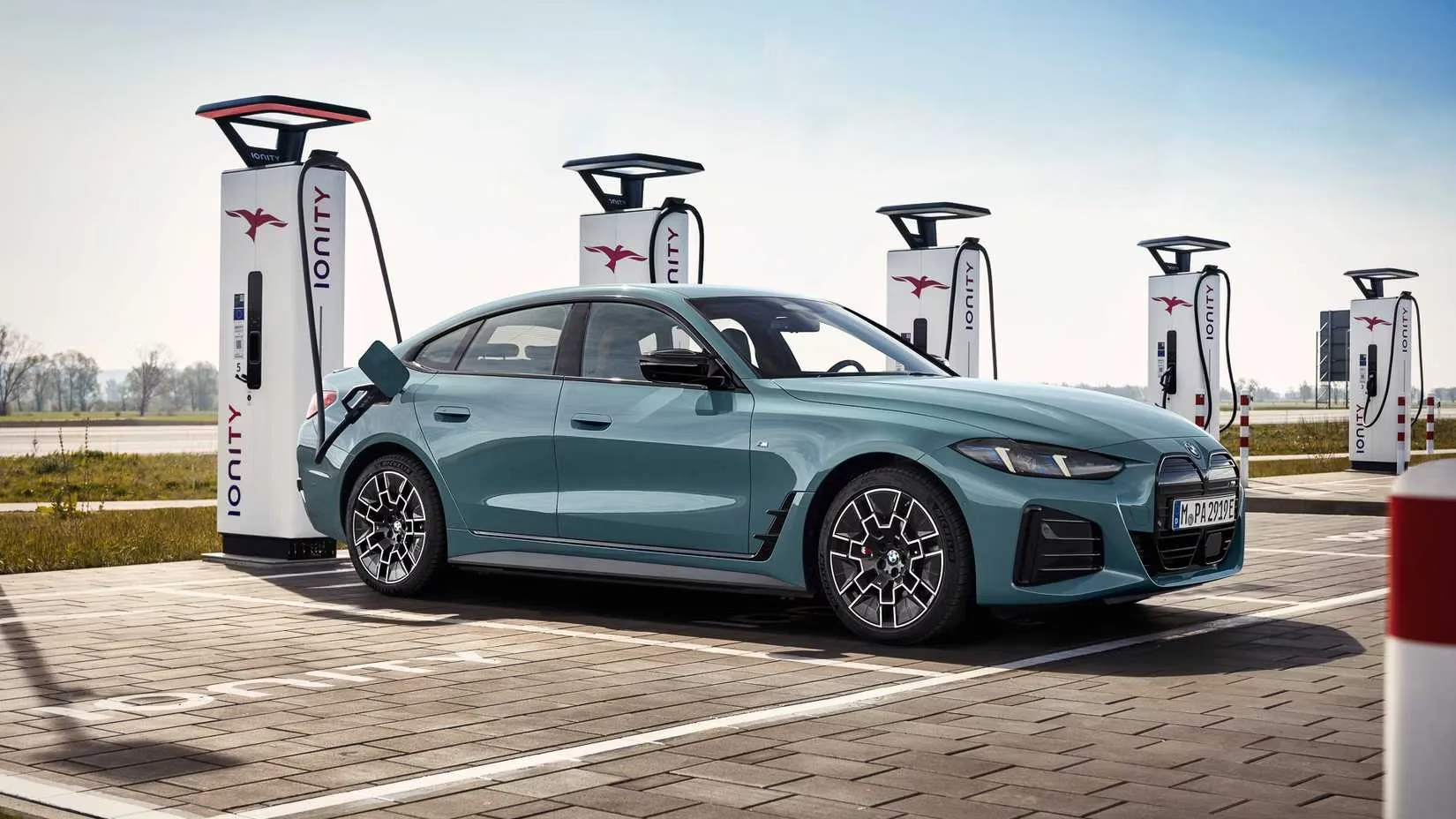
BMW i4: The Premium Skin
The BMW i4 starts at $52,200 for 2024, so it is a bit more expensive than the Tesla Model 3. This electric Gran Coupe blurs the line between electric and ICE drivetrains with conventional styling and all the BMW ergonomics I expect from high-end Beemers. The base, two-wheel-drive i4 eDrive35 has 282 hp and accelerates to 60 mph in 5.5 seconds. Range is 276 miles. I like it because it feels like a familiar controller with a new haptic engine. If I want a premium lobby, this is the door I open.
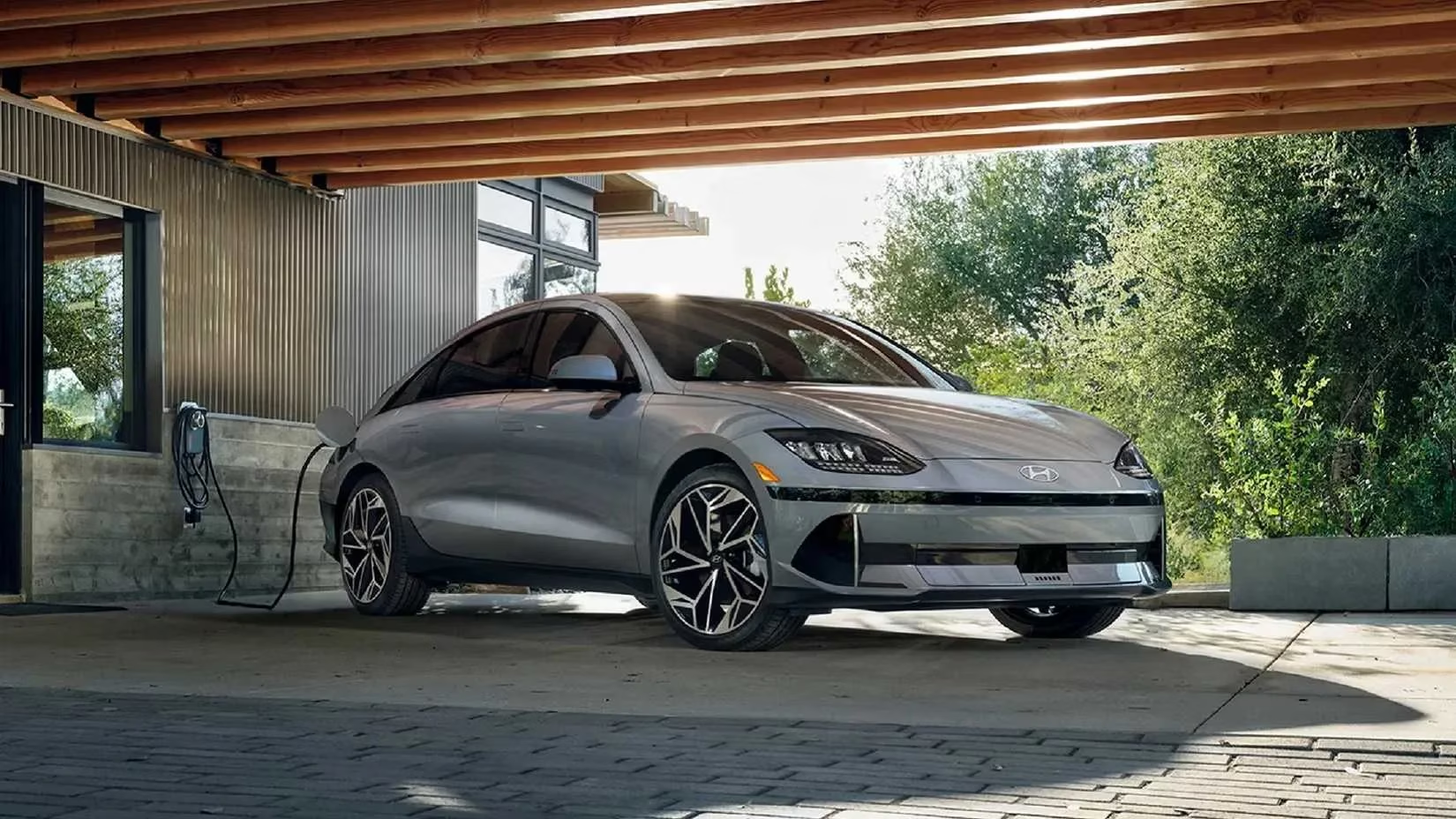
Hyundai Ioniq 6: The Style Meta
The Ioniq 6 starts at $37,750 for the 149-hp single motor and $46,650 for the 320-hp dual-motor version, making it a slightly cheaper way into electric car ownership than the Tesla Model 3. The better choice depends on how much passing power and overall performance I need. I think the dual-motor version offers the best value because it is not a significant jump in pricing for more than twice the power. It divides opinion with bold styling that seems to reference the Porsche 911 from some angles, but it stands out from the crowd. There is a choice of a 53-kWh or a 77.4-kWh battery pack, rear- or all-wheel drive, a maximum EPA-estimated range of 342 miles, and up to 320 horsepower. In a game, this is the skin that makes enemies look twice.
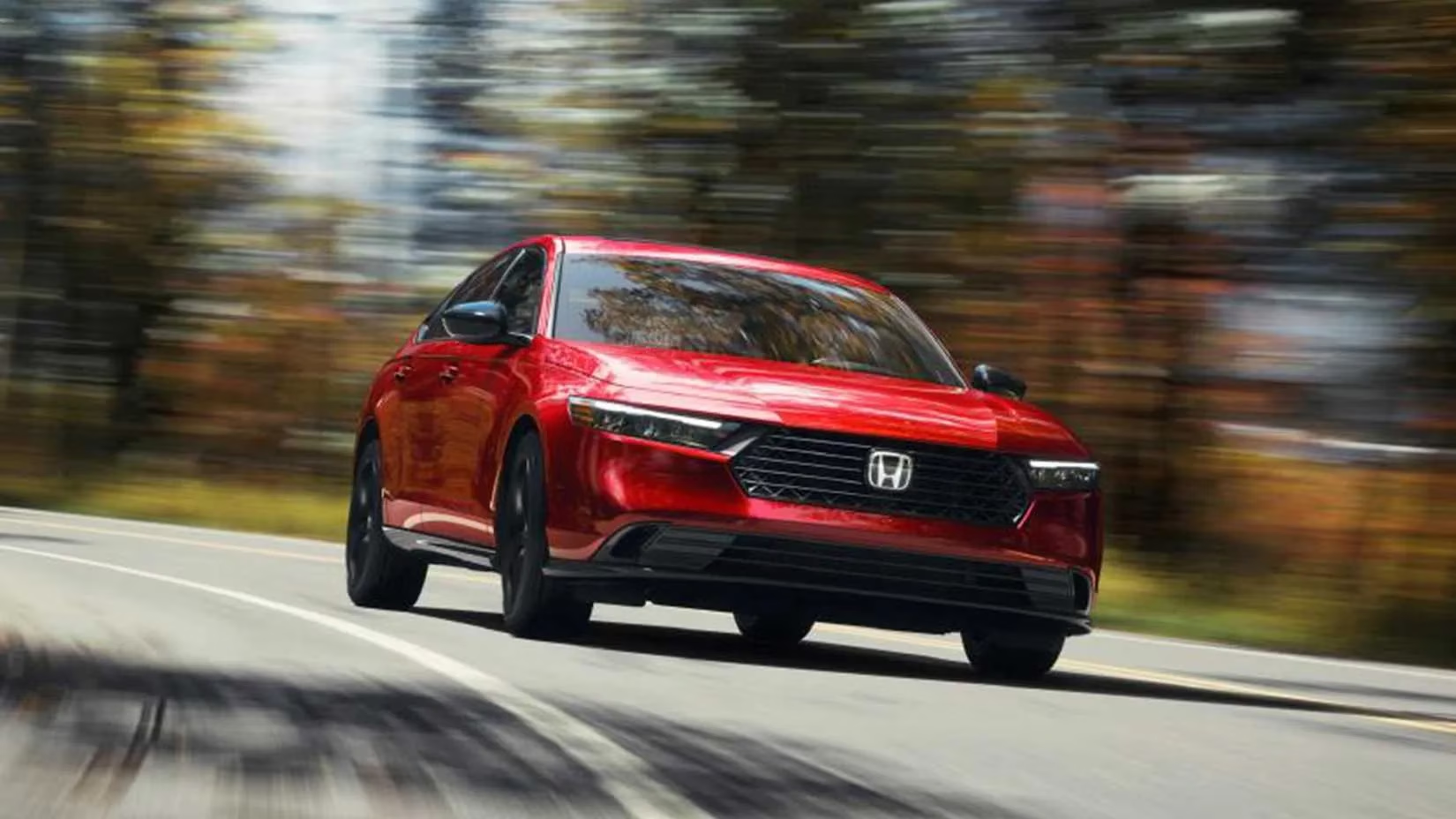
Honda Accord Hybrid: The Support Class
The likable Honda Accord Hybrid has a 2.0-liter inline-four engine and two electric motors that produce a combined peak output of 204 horsepower and 247 lb-ft of torque. Thanks to a powerful traction motor and high-voltage battery, the Accord can also operate in electric-only EV mode under certain conditions. It has a 4-Mode Drive System that lets me switch between Sport for responsiveness and performance, ECON for best efficiency, and a customizable Individual mode. The 2024 Honda Accord Hybrid MPG can reach up to 51 mpg city and 44 mpg highway with the EX-L Hybrid trim. It is not flashy, but it is the support class of this list: reliable, efficient, and surprisingly useful when the match goes long.
Hyundai Sonata Hybrid: The Tech Utility
The Hyundai Sonata Hybrid is packed full of tech. There is e-Ride Gen2, which features sensors that detect movement in real time and adjust the pitch angle and rate to improve ride comfort. Then there is e-DTVC, which uses torque vectoring to control the distribution of power to each wheel. The Sonata Hybrid has a 2.0-liter four-cylinder engine and electric motor producing 192 horsepower and 47 mpg. It starts at $32,150. This is the car that feels like it has passive perks always active: nothing screams, but everything quietly works.
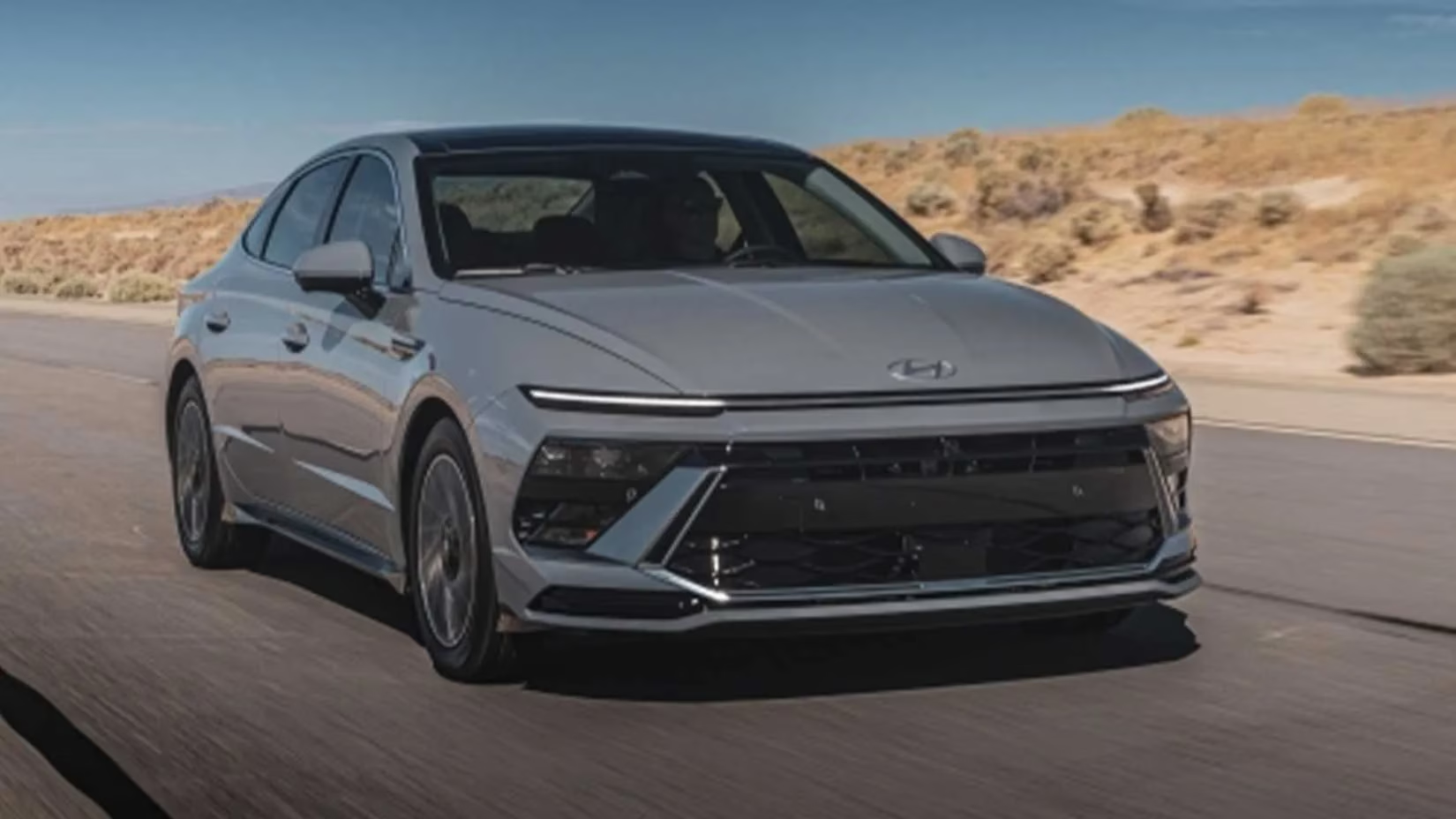
Mini Cooper SE: The Small Hitbox
The Mini Cooper SE will appeal to people who want to ease their way into EV ownership. The basic BMW MINI ingredients that first arrived in 2001 — compact and stylish shape, sporty outlook, and high-quality finishes — are all there. The only difference is the electric powerplant, which in the SE is good for 181 horsepower and an estimated 114 miles of charge. For anyone looking for a more established image and an old-school brand, if you can accept the smaller proportions, the MINI will be a good alternative to the Tesla. Prices start from $30,900. If my daily map is short, this is a fun scout class. The range is small, so I would plan routes like I plan ammo.
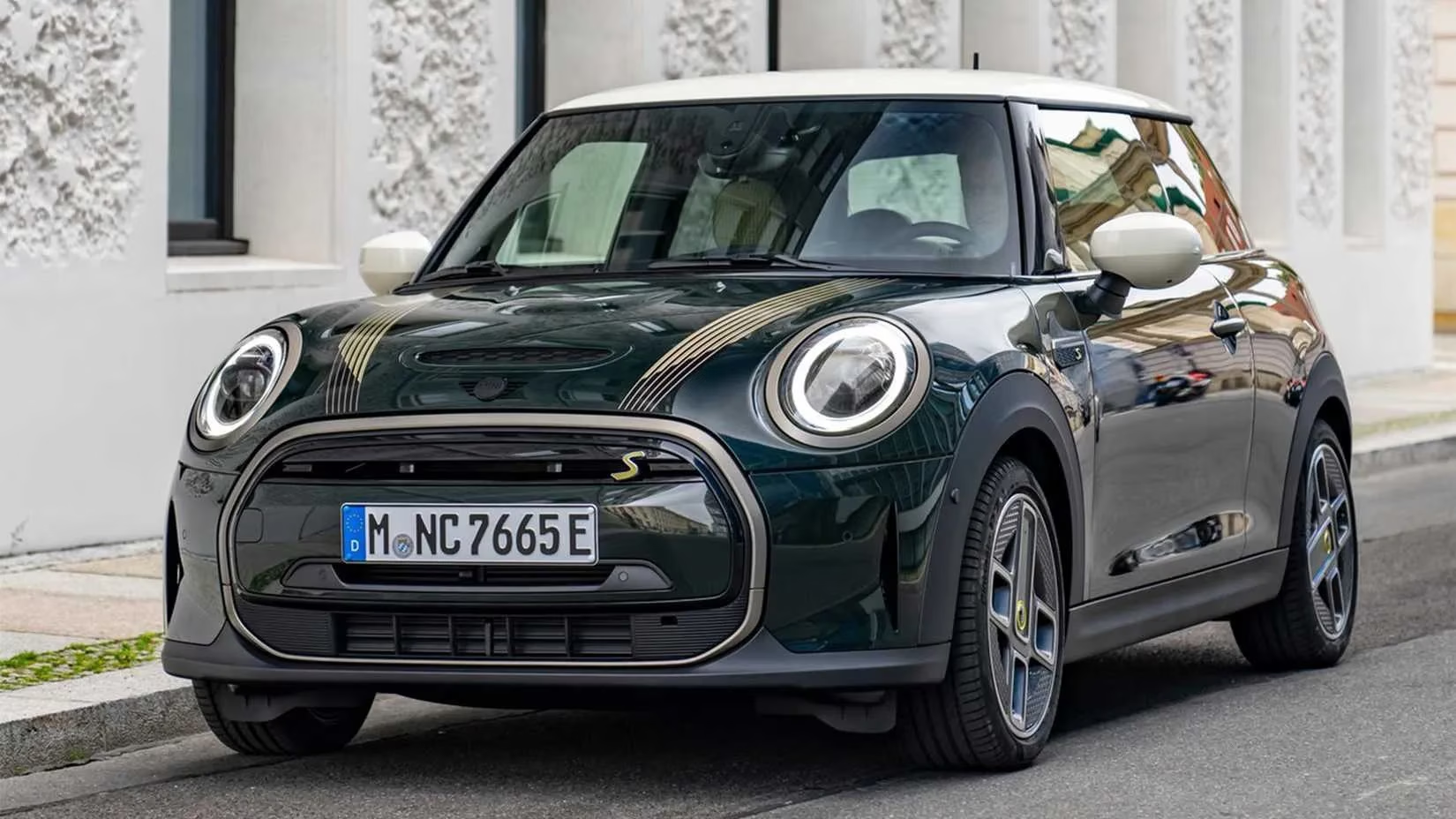
Honda Civic Hybrid: The Sleeper
The Honda Civic might not be the obvious choice for anyone shopping for a hybrid or electric car, but it should at least be on the list. The reason is that the Civic Hybrid is quite a sporty option — not something I normally associate with hybrids, apart from hybrid supercars — but this Honda gives it a good go. You get a 200-horsepower Civic with sharp handling, and the sprint to 60 mph takes just 6.6 seconds. All this with 49 mpg in combined driving. It is the off-meta pick that surprises the lobby.
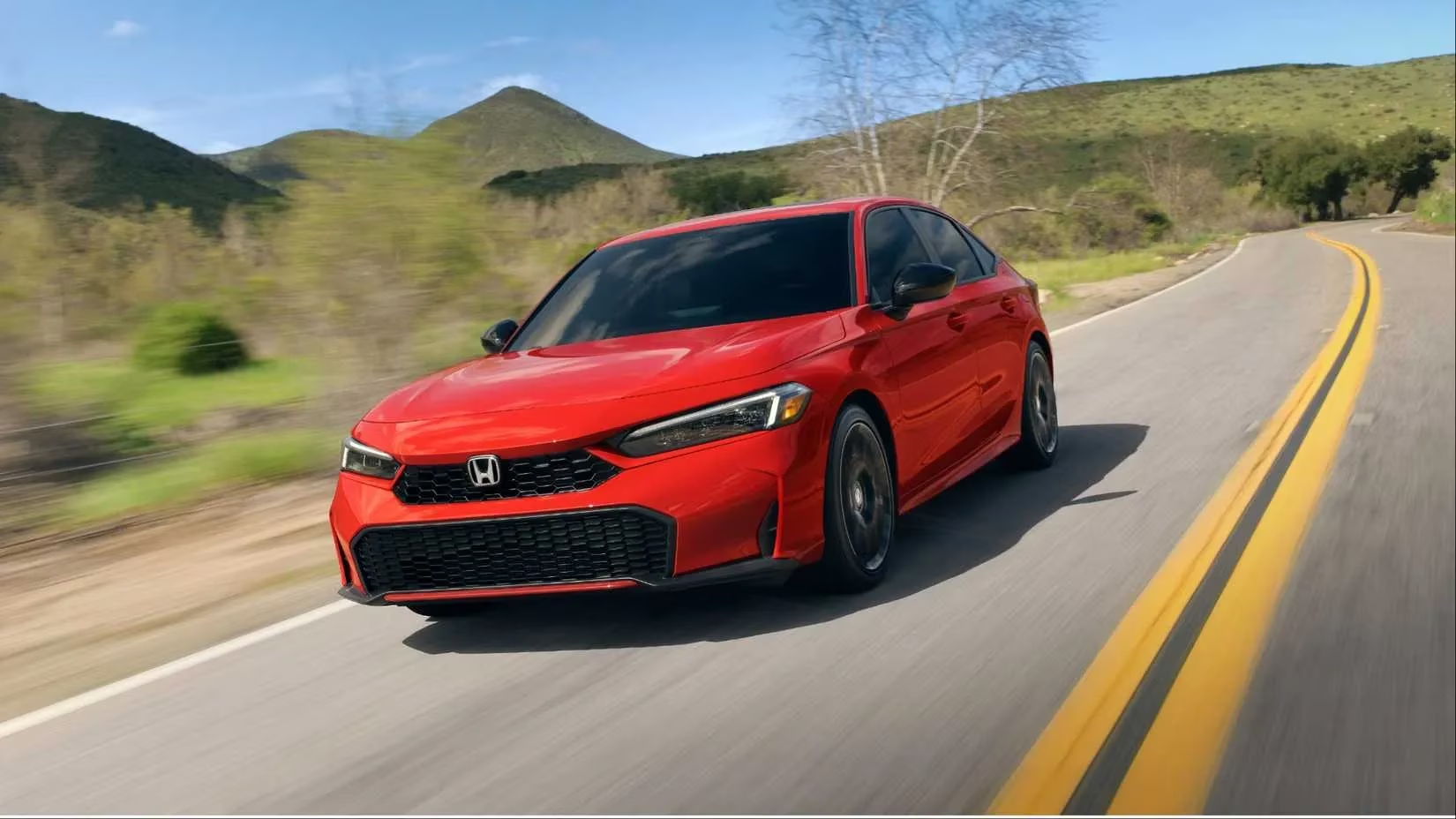
Toyota Camry Hybrid: The Reliable Main
The Toyota Camry must be doing something right — it has been one of the best-selling sedans in the USA for many years. The 2024 Camry’s all-hybrid powertrain has up to 51 combined estimated mpg, up to 232 net combined horsepower, and available Electronic On-Demand All-Wheel Drive. Prices start from a very reasonable $28,400. In co-op, this is the player who never disconnects. I would not call it exciting, but I would call it essential.
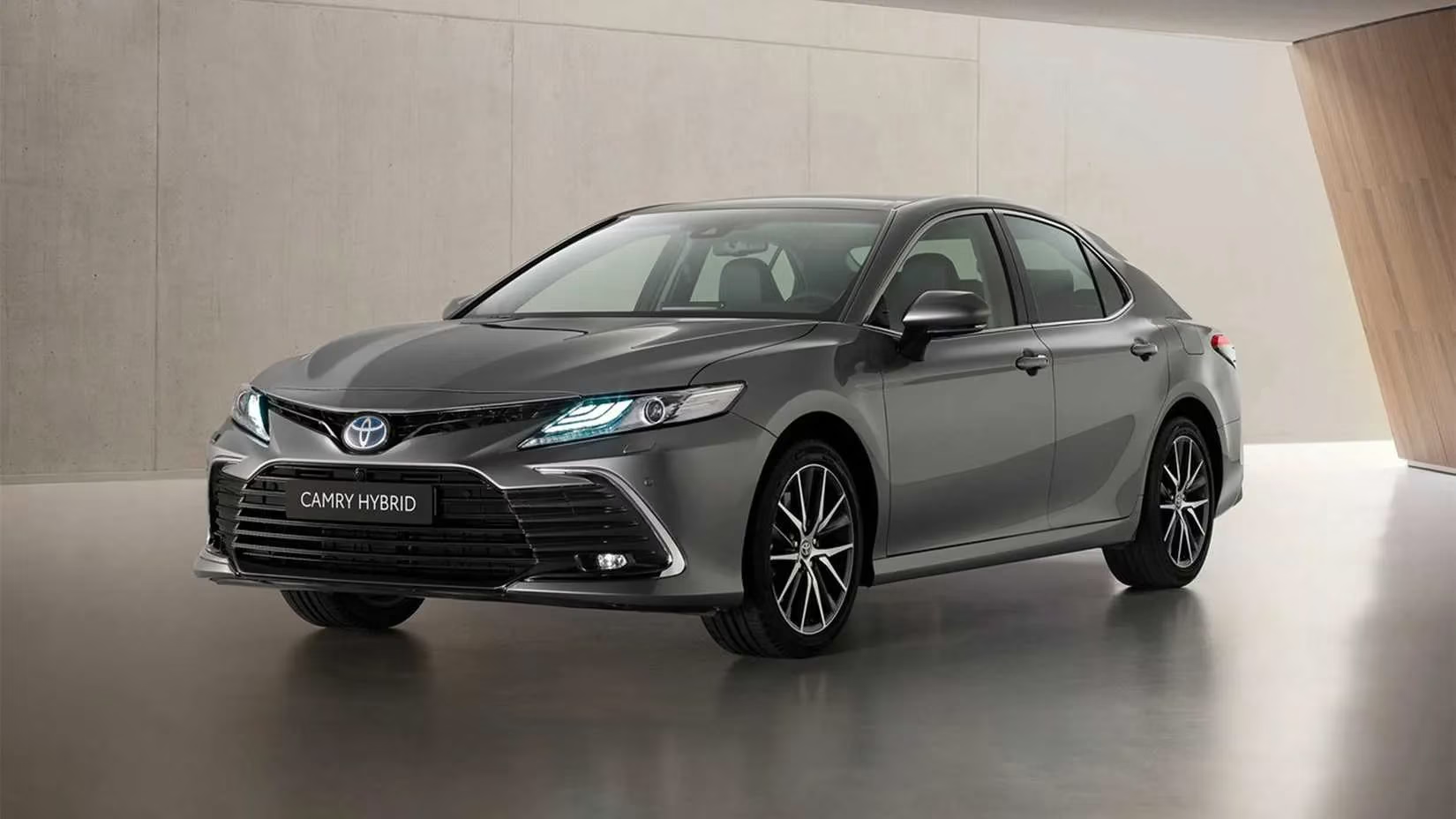
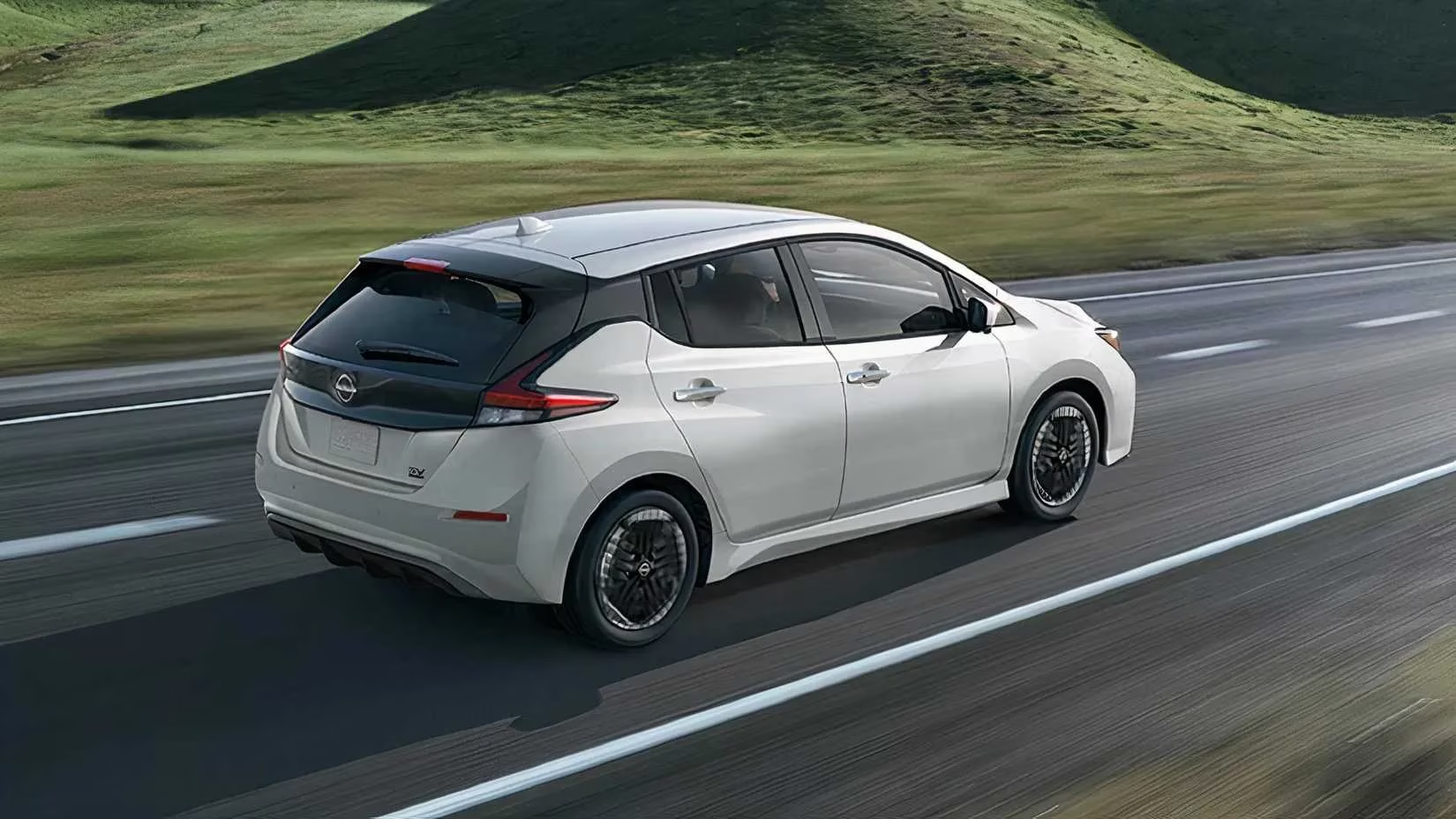
Nissan Leaf: The Low-Key Veteran
The Nissan Leaf is a kind of low-key hero that just keeps doing its thing. The Leaf has been around for 14 years now and helped pioneer the EV segment, but it does so without being overstyled or too techy-looking. Instead, you get a standard, usable hatchback with a large trunk that, according to Nissan, also has nimble handling. The best part is that it is one of the cheapest EVs on the market in America, costing from $28,140. Range is estimated to be 212 miles. I respect the veteran. Not every build needs a flashy ultimate.
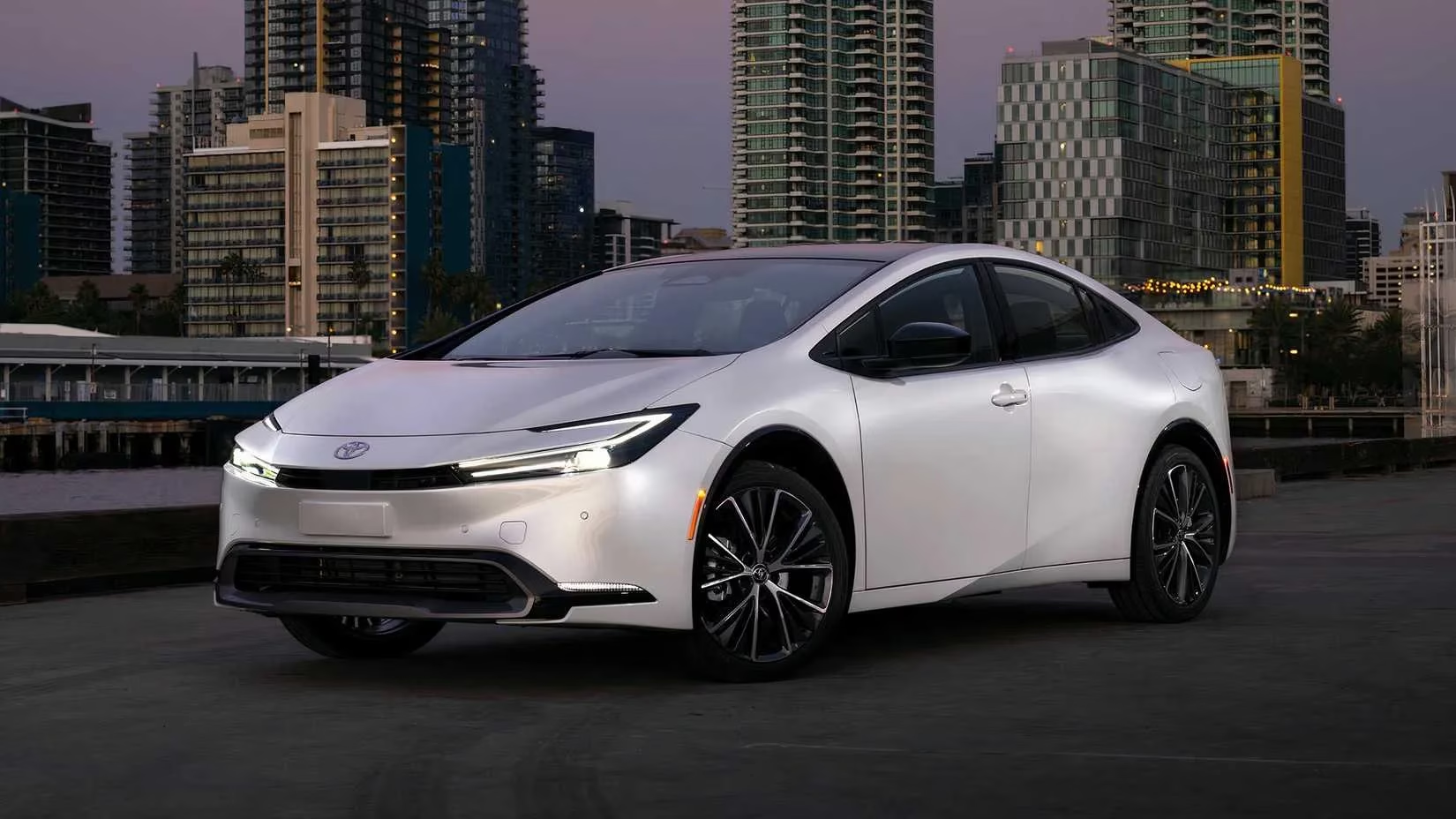
Toyota Prius: The Comeback Arc
Remember when the Toyota Prius was driven by Hollywood stars and lampooned in South Park? The pioneering Prius has lost some shine recently, partly because of true EV cars and because it became the steed of choice for app-based taxis. But the Prius is still around and on sale, starting from $27,950. The wedge-like shape of the 2024 Toyota Prius looks great, even more futuristic than the Tesla and far more grown-up than previous generations. The 2.0-liter four-cylinder hybrid can now be had in all-wheel drive, and 60 mph arrives in a spritely 7.0 seconds. All this and you still get 57 mpg. For anyone not ready to go full EV, the Prius is still worth a look. It is the comeback arc I did not expect to respect this much.
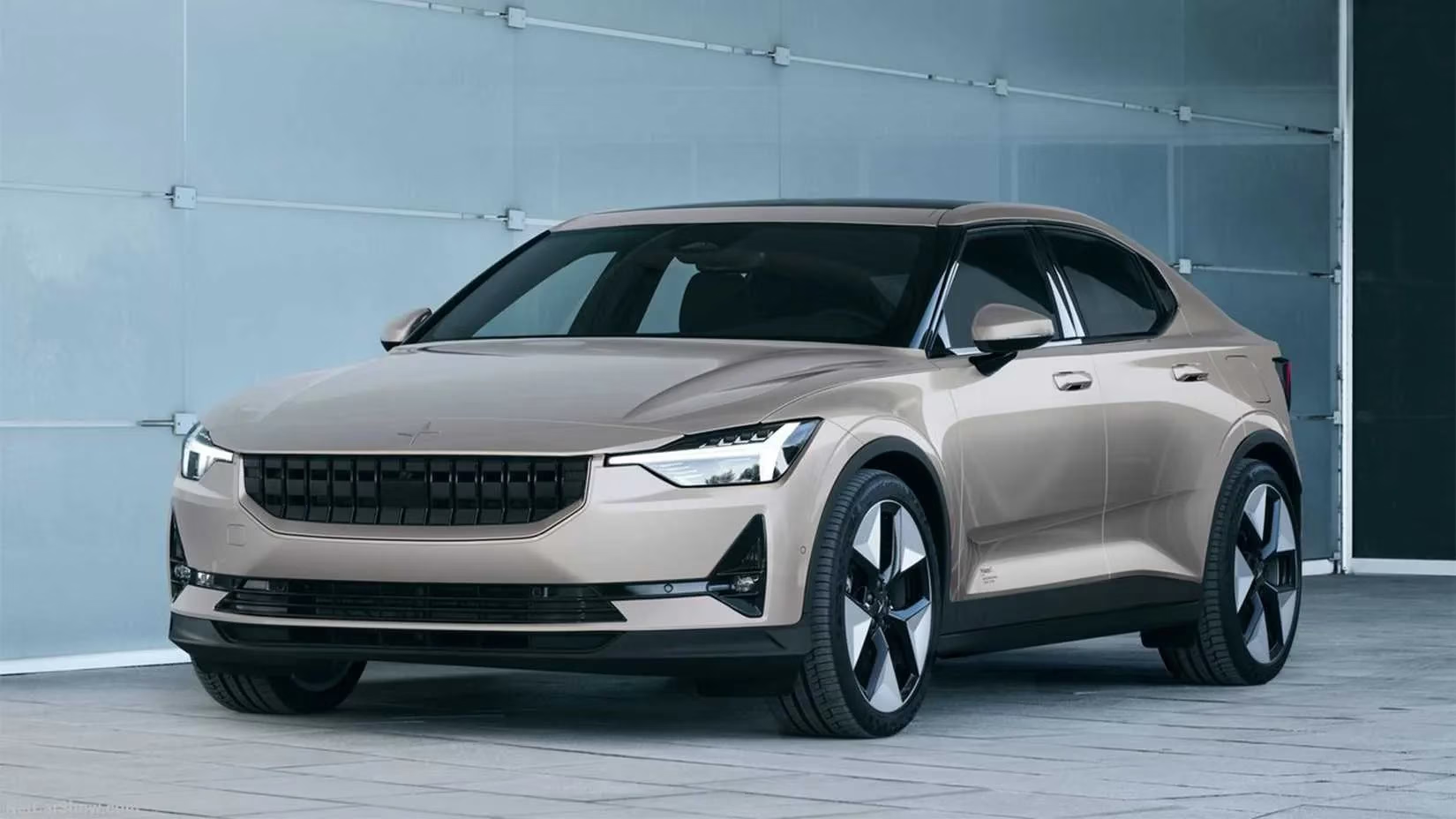
Polestar 2: The Boss Fight
I saved the more opulent and performance-focused Tesla Model 3 competitor for last. In many ways, the Polestar 2 is the direct rival to the speed-focused Tesla Model 3 Performance. It is fast, stylish, forward-thinking, and techy, and it comes from a company with a laser focus on electric vehicles. The Polestar 2 also had a recent refresh. Even the contemporary branding and modern, uncluttered presentation have a lot in common with the Tesla USP. Polestar is an off-shoot of Volvo and carries the same minimalistic Swedish design language. Starting at $64,800, it is a fair bit more expensive than the Model 3, but it will do 254 miles on a charge and is available with up to 476 horsepower. This is the endgame gear: expensive, focused, and absolutely a boss fight for my wallet.
So, in 2026, I still love my Model 3 as the default. It is the car I recommend when someone wants the safest meta pick. But I would be a bad player if I never tried the side quests. The Ioniq 6 gives me style and range. The i4 gives me premium familiarity. The Accord and Sonata hybrids prove that not every efficient car has to be a full EV. The Mini and Leaf are small-map specialists. The Civic Hybrid is the sleeper. The Camry and Prius are the reliable mains. And the Polestar 2 is the boss fight. My final advice is simple: do not resign yourself to electric-only power before you test the worthy hybrids, and do not buy the default just because it is on every corner. Try the loadouts. Then pick the one that fits your map.
Leave a Comment
Comments