Mercedes-Benz V-Class EV: The VAN.EA Era Finally Takes Shape
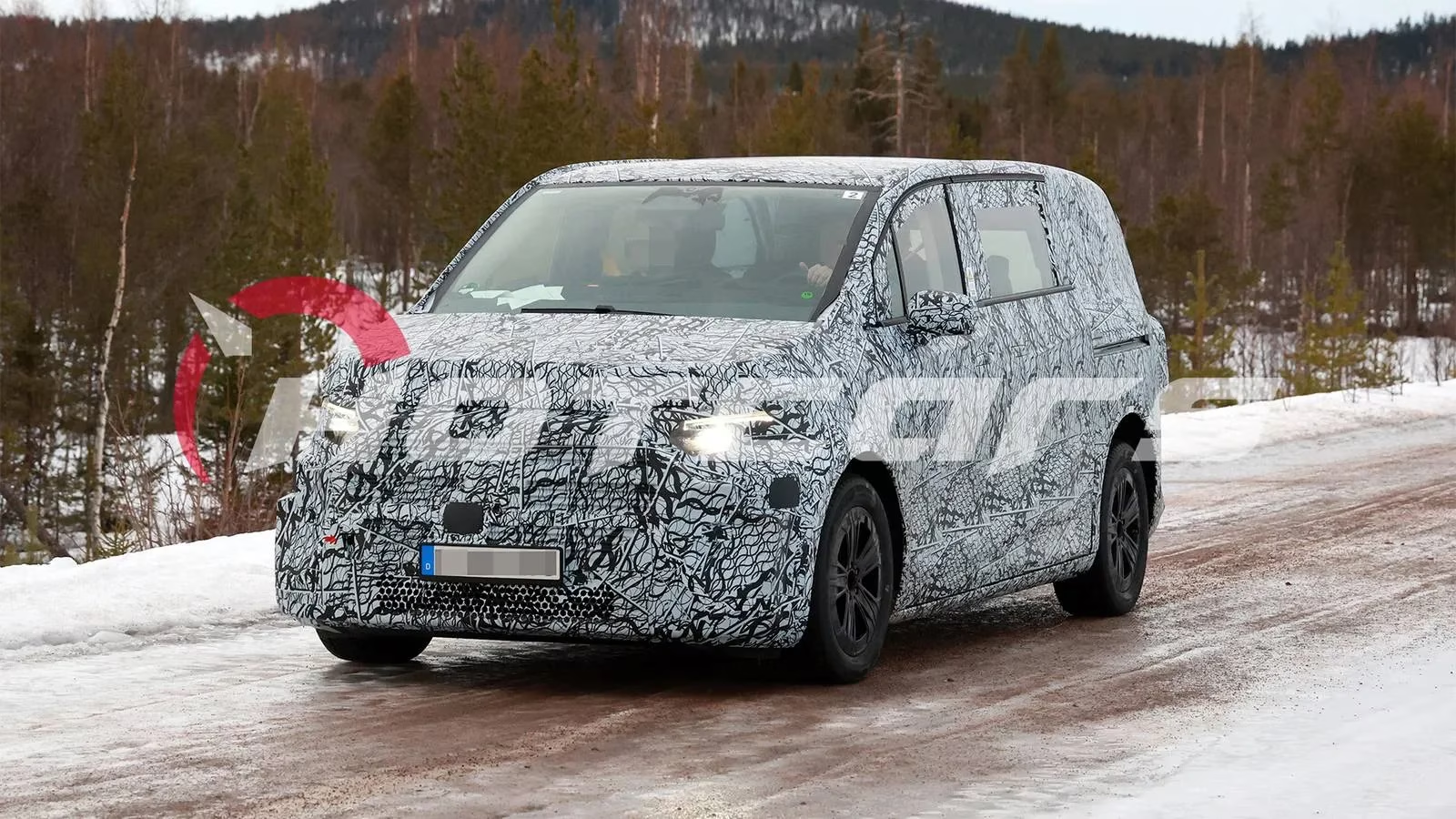
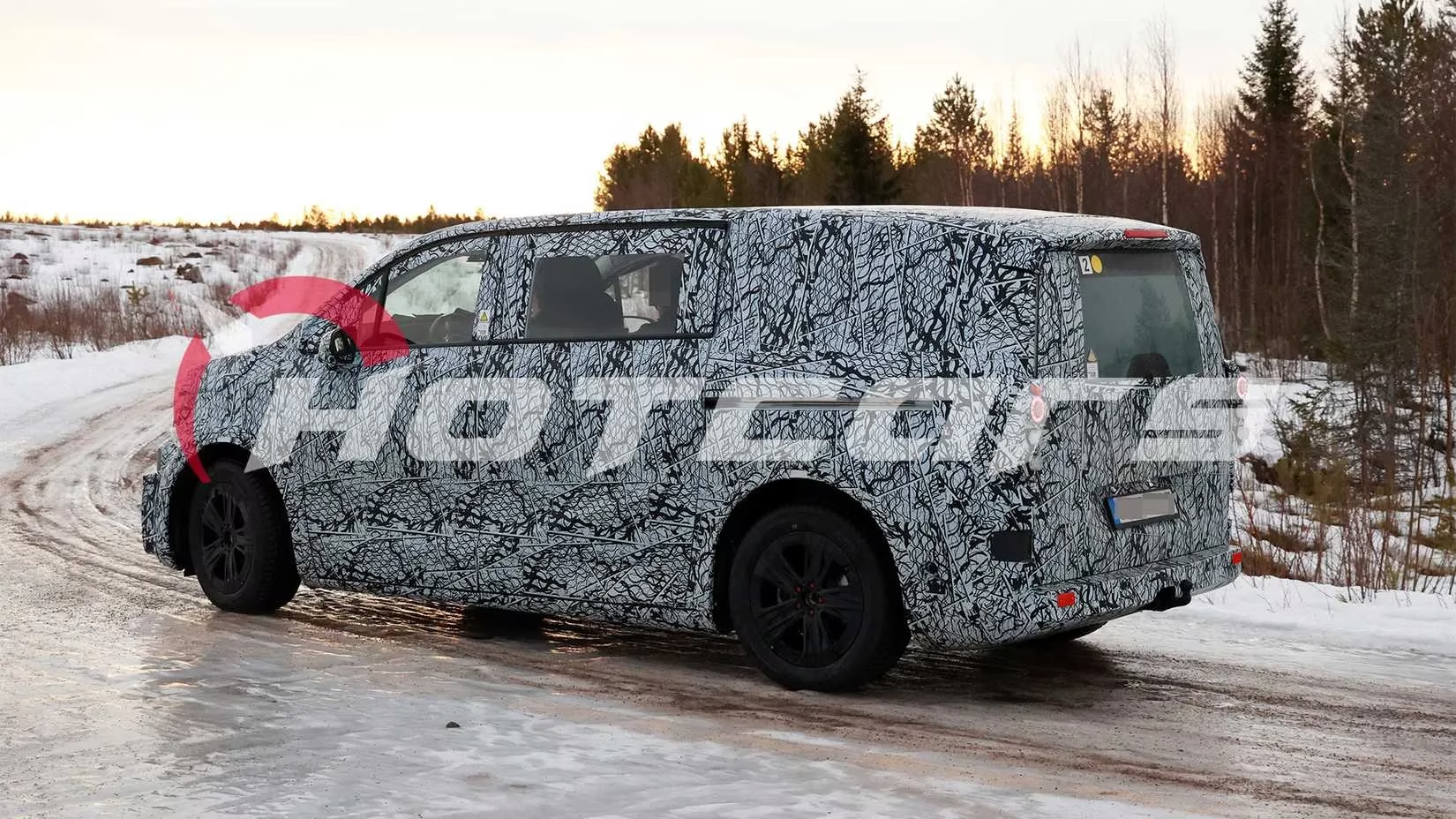
The Mercedes-Benz V-Class EV is no longer just a PowerPoint promise or a clever sketch in a design studio. As of 2026, the electric van conversation has moved from whispers and wish lists to camouflaged prototypes pounding public roads, and the V-Class EV is smack in the middle of it. The latest spy shots show a boxy but surprisingly sleek van doing its best to hide under a full camouflage getup. The shape is still unmistakably van-like, which is exactly what the crowd wants, but the nose is short and rounded in a way that screams aerodynamics over old-school grille drama. Up front, a narrow light bar sits above a single round lamp on each side, while the covered grille area appears to hide radar and sensor hardware. Around the back, the flat door and wide opening look ready for cargo or luggage, and sliding side doors keep the van doing van things. Round taillights finish the rear, though Mercedes is clearly keeping the fine details under wraps.
Why VAN.EA Is the Real Headline
The real story is not one light bar or one sliding door. It is the VAN.EA platform underneath. Mercedes has developed this architecture from scratch for battery-electric vans, and that is a big deal. Instead of shoehorning electric guts into a combustion-era body, VAN.EA is a modular and scalable purpose-built EV setup. It uses 800-volt technology and splits the van into three modules: the front module handles the electric drive, the middle module carries the underbody and the built-in high-voltage battery, and the rear module can host a second motor for all-wheel drive. Mercedes has said the platform will serve both premium commercial vans and luxury private vans, which means the V-Class EV is not a niche side quest. It is the template for a whole family.
| Module | Main Job | Why It Matters |
|---|---|---|
| Front | Electric drive | Clean packaging and a purpose-built EV layout |
| Middle | Underbody and high-voltage battery | Supports range and low-floor packaging |
| Rear | Second motor for all-wheel drive | Adds traction and performance when needed |
What the Camouflage Can't Hide
-
A short, aero-conscious nose that looks more wind tunnel than brick wall.
-
A narrow upper light bar with a single round lamp below it on each side.
-
A fully hidden front grille area packed with what looks like radar and sensor gear.
-
Sliding side doors and a flat rear door with a wide opening for easy entry and exit.
-
Round taillights at the rear, though the rest of the lighting details remain a mystery.
This is not a sci-fi pod from a concept lawn. It is a van that still needs to haul people, luggage, tools, or whatever else a business throws at it. The clever part is that Mercedes seems to be wrapping the practical stuff in a more efficient shape. Aerodynamics, tires, chassis, and drivetrain efficiency all matter when the goal is long range from a big battery, and vans are about as aerodynamic as a garden shed unless someone works hard on the details.
Premium, Commercial, and the 20 Percent Goal
Mercedes has made no secret of the fact that the VAN.EA platform will cover both premium commercial vans and luxury private vans. That dual role is the smart play. Commercial buyers care about range, payload, charging speed, and total cost of ownership. Private buyers care about quiet cabins, smooth power delivery, and a luxury experience that does not feel like a delivery route. The V-Class EV has to walk both lines without tripping over either one. The original plan also tied these vans to Mercedes' goal of having EVs make up 20 percent of its lineup by 2026. That target is the kind of thing that sounds simple in a press release and much harder in a factory. These vans are meant to help make it real.
The 2026 Reality Check
As of 2026, Mercedes is still playing its cards close to its chest. The spy shots give a solid look at the shape, the lighting signature, and the practical door layout, but the official spec sheet is another matter. Range, charging curve, payload, pricing, and trim walk are all still under wraps. The 800-volt hardware is a promising clue, because it usually points to fast charging and better thermal management, but clues are not confirmed numbers. The original spy report pointed to a road debut in 2026, and that launch window is now the center of attention. A formal announcement should fill in the blanks sooner rather than later.
Bottom Line
The Mercedes-Benz V-Class EV matters because it is not just another electric vehicle. It is the first clear look at how Mercedes wants to build electric vans for years to come: one scalable architecture, fewer overlapping platforms, and a split personality that can serve both business fleets and luxury buyers. The camouflage is still doing its job, but the message is already leaking through. For van fans, fleet managers, and anyone who has ever wished a boxy people mover could be quieter and cleaner, this is one to watch. Stay tuned, because the VAN.EA era is finally taking shape. 🚐⚡
Leave a Comment
Comments