Mercedes-Benz EQS Facelift Meets a G-Class Tow Truck in Sweden
The spy photographers had braved the frozen lanes of northern Sweden expecting camouflage, slush, and maybe a stray moose. What they got was a sight that made one veteran lower his lens and mutter, 'Well, that is a first.' A refreshed 2026 Mercedes-Benz EQS luxury EV sedan was rolling along behind a burly G-Class V8, towed like a stalled shopping cart. The G-Class growled; the EQS glided in silence—or rather, it was dragged in silence. For a brand that once sold itself as the inventor of the automobile and a temple of timeless elegance, the image landed with a thud. It was not just a test mule. It was a metaphor with four wheels and a tow strap.
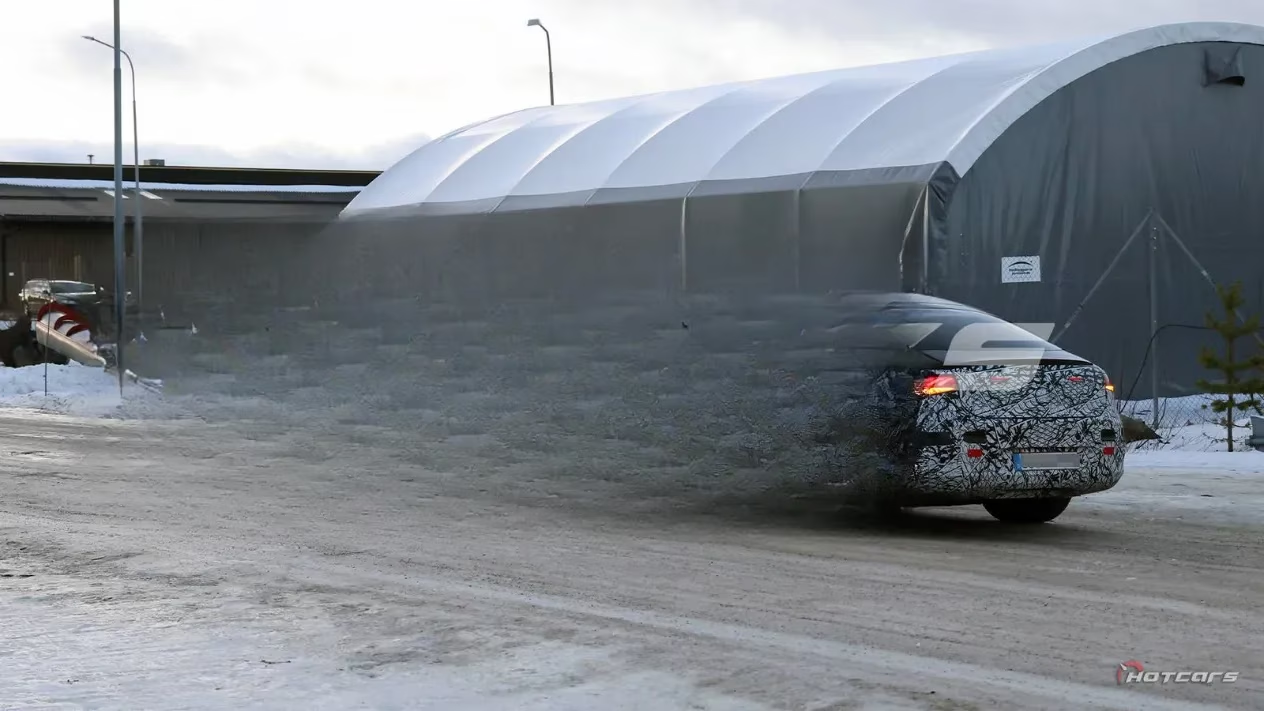
The scene would have been quirky enough on its own, but the sales figures made it sting. In the United States, the EQS lineup fell from 14,499 units in 2023 to just 6,963 in 2024—a 52% nosedive. That is not a dip; that is a cliff. Mercedes-Benz had billed the EQ family as its electric makeover, the shining answer to a future that seemed just around the corner. Instead, the future arrived with a shrug, a spreadsheet full of red ink, and a tow hook. By 2026, the facelift looked less like a victory lap and more like a rescue mission. The engineers were still testing, still refining, still hoping. But the market had already read the room.
| 📉 EQS U.S. Sales | 2023 | 2024 | Change |
|---|---|---|---|
| Units moved | 14,499 | 6,963 | -52% |
The table told a story no amount of camouflage could hide. The EQS was not a bad car. It was quiet, smooth, tech-laden, and genuinely impressive in the way a luxury EV should be. But impressive did not pay the bills. Luxury buyers proved to be a complicated bunch—more complicated than any product planner's PowerPoint had predicted. Some wanted the silent thrust of an EV; others wanted the rumble, the ritual, and the resale value of a gasoline S-Class. The EQS sat in the middle, wearing a futuristic badge while the showroom next door still sold the old-world charm that Mercedes had perfected over a century. It was a catch-22 wrapped in leather and ambient lighting.
Meanwhile, the whole industry was nursing a collective hangover. Automakers had drunk the electric Kool-Aid and rushed to declare the internal combustion engine dead by 2030. Boardrooms across the globe produced glossy timelines, heroic projections, and a lot of back-slapping. Then reality knocked. Hybrids and plug-in hybrids began outselling pure EVs in many showrooms, and the same executives who had promised a fully electric future started making phone calls, revising forecasts, and quietly kicking the can down the road. You could almost hear the collective 'uh-oh' from Stuttgart to Detroit. The EV revolution was not canceled, but it was clearly taking a detour.
For Mercedes-Benz, the 2026 EQS facelift became a test of nerve. The company was trying to keep a sinking ship afloat, and the tow-truck image did not help. Engineers in northern Sweden could argue that towing was a standard durability exercise—battery thermal management, regenerative braking, suspension load, and all the unglamorous boxes that need ticking. Fair enough. But spy photography is never just about engineering. It is about story. And the story here wrote itself: a flagship electric sedan, once hyped as the future, being hauled by the brand's most unapologetically old-school V8 brute. If that was not a sign from the marketing gods, nothing was.
The facelift still mattered. A refreshed EQS would bring updated software, maybe a new nose, possibly a larger battery or better efficiency, and the kind of cabin polish that Mercedes can do in its sleep. The question was whether any of that could change the mood. The EQ lineup had already been whispered about as a candidate for the chopping block before 2030, and every slow sales month made the whispers louder. Mercedes was playing catch-up in a game it had once expected to lead, and the irony was hard to miss for a brand that had built its reputation on being the innovator.
What the EQS needed was not another clever press release. It needed a reason for wealthy buyers to choose it without glancing at the S-Class and wondering if they were missing something. It needed a clearer identity, a sharper value story, and perhaps a little less futurism and a little more old-fashioned desirability. Until then, the facelift would remain a brave face on a difficult moment.
The photographers packed up their gear as the G-Class rumbled away, the EQS in tow. One of them joked that at least the tow strap was German. The others laughed, but the laughter had an edge. In 2026, Mercedes-Benz was still building impressive electric cars. The hard part was convincing the market to care. If the company could not inject some life—and sales—into the EQ lineup, it might be wiser to leave luxury to the ICE S-Class and stop whistling past the graveyard. The EQS had been meant to lead the charge. Instead, it was getting a tow. That was the picture, and no amount of camouflage could blur it.
Leave a Comment
Comments