Kia's Electric Truck and EV4 Sedan Stalled by Unpredictable Tariffs, Putting U.S. Plans on Ice
In the high-stakes game of electric vehicle poker, Kia just got dealt a hand it can't play. Their ambitious plan to finally plant a flag in the lucrative U.S. EV pickup market has hit a massive, unpredictable roadblock. It's not a lack of engineering prowess, consumer interest, or even a cool truck design that's holding them back. No, the culprit is far more mundane and infinitely more frustrating: a moving target of import tariffs. That's right, while rivals are busy building brand loyalty and refining their electric haulers, Kia's first electric pickup and its sleek EV4 sedan are stuck in a holding pattern, waiting for the U.S. government's trade policy to stop playing musical chairs with the numbers. It's a classic case of ready, aim... wait indefinitely.
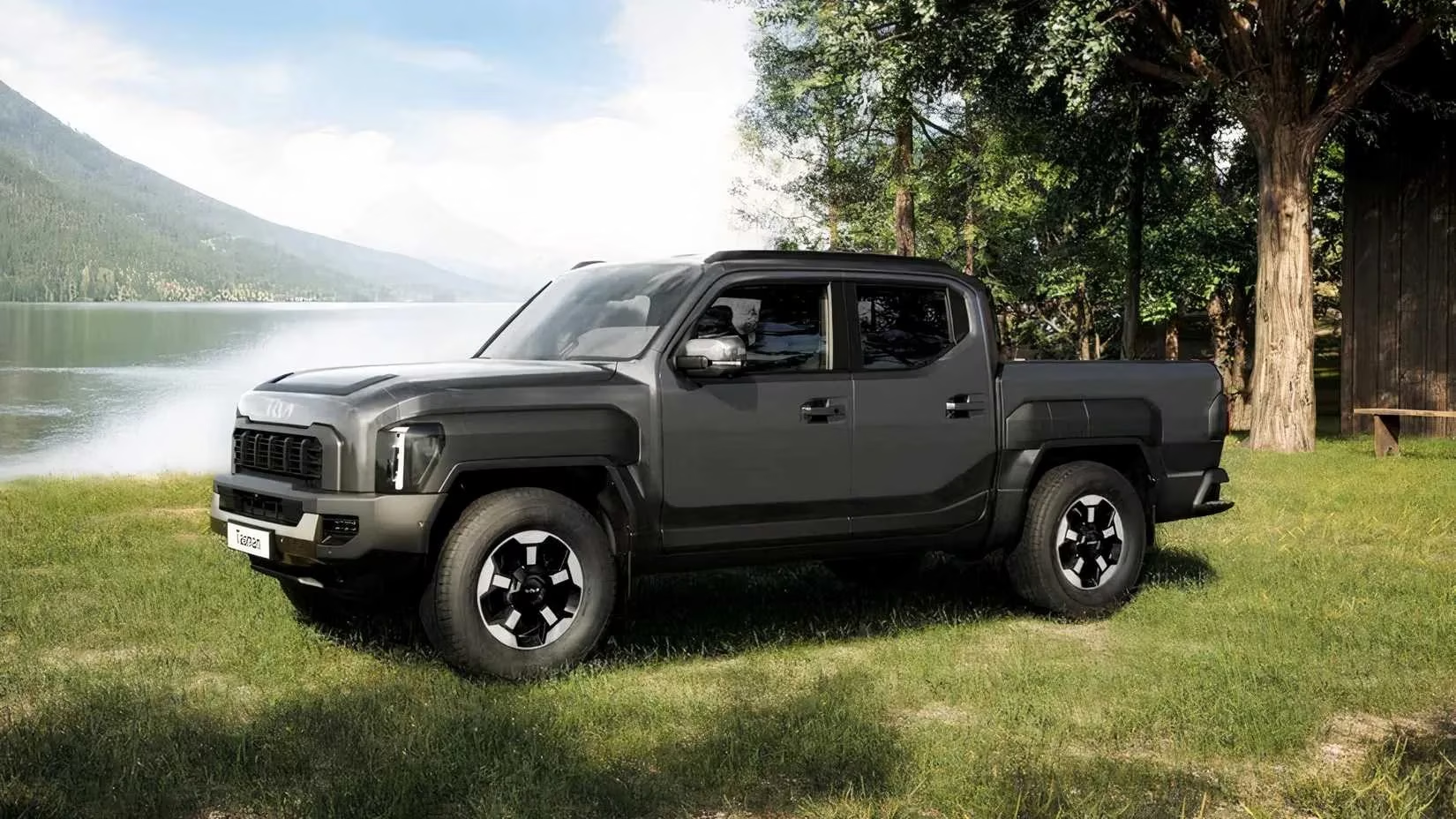
This isn't a minor hiccup; it's a full-blown strategic freeze. Just six months ago, Kia had a confident roadmap for North America, promising a fresh wave of EVs including a dedicated electric pickup designed to compete with the early movers. Now, that roadmap is effectively on ice. At the 2025 Los Angeles Auto Show, Russell Wager, Kia America's VP of marketing, laid it out plainly: both the electric truck and the EV4 sedan will remain in limbo until the tariff landscape stabilizes. The problem isn't that tariffs exist—it's that nobody, not even the company's top brass, knows what they'll be tomorrow, next month, or next year.
The Impossible Math Problem 🤯
Imagine trying to build a business plan where one of your biggest costs is a complete mystery. That's Kia's reality. Wager explained that the company can't even build a basic financial case without a solid figure. Their original engineering and pricing assumptions were crafted in a more predictable, zero-tariff environment. Now, they're stuck trying to plan around a potential surcharge of 15%, 25%, or something even more punishing. How do you competitively price a vehicle when your import costs could swing by thousands of dollars overnight? You don't. You hit pause.
This hesitation is incredibly costly, especially in the truck space. The EV pickup segment is still young but scaling at a breakneck pace. Look at the current players:
-
The Mainstream King: Ford F-150 Lightning – The only high-volume model.
-
The Premium Pioneers: Rivian and Tesla – Dominating the high-end niche.
-
The Gearing-Up Giant: General Motors – Still ramping up production.
This period of steady growth was the perfect window for a newcomer like Kia to enter, establish a foothold, and build loyalty before the competition became overwhelming. Every month Kia spends on the sidelines is a month its competitors solidify their position in a market where brand identity and owner loyalty run as deep as the truck's payload capacity.
What's Stuck in the Garage? 🚗
While Kia hasn't released final specs for its mystery electric truck, the vision is clear. They've confirmed development of a body-on-frame EV built for serious work. We're likely looking at:
-
Target: Towing and work-use capability.
-
Powertrain: Dual-motor setup for all-wheel drive prowess.
-
Range: Battery capacity aiming for north of 250 miles to be viable.
-
Payload: Competitive figures to go head-to-head with the established players.
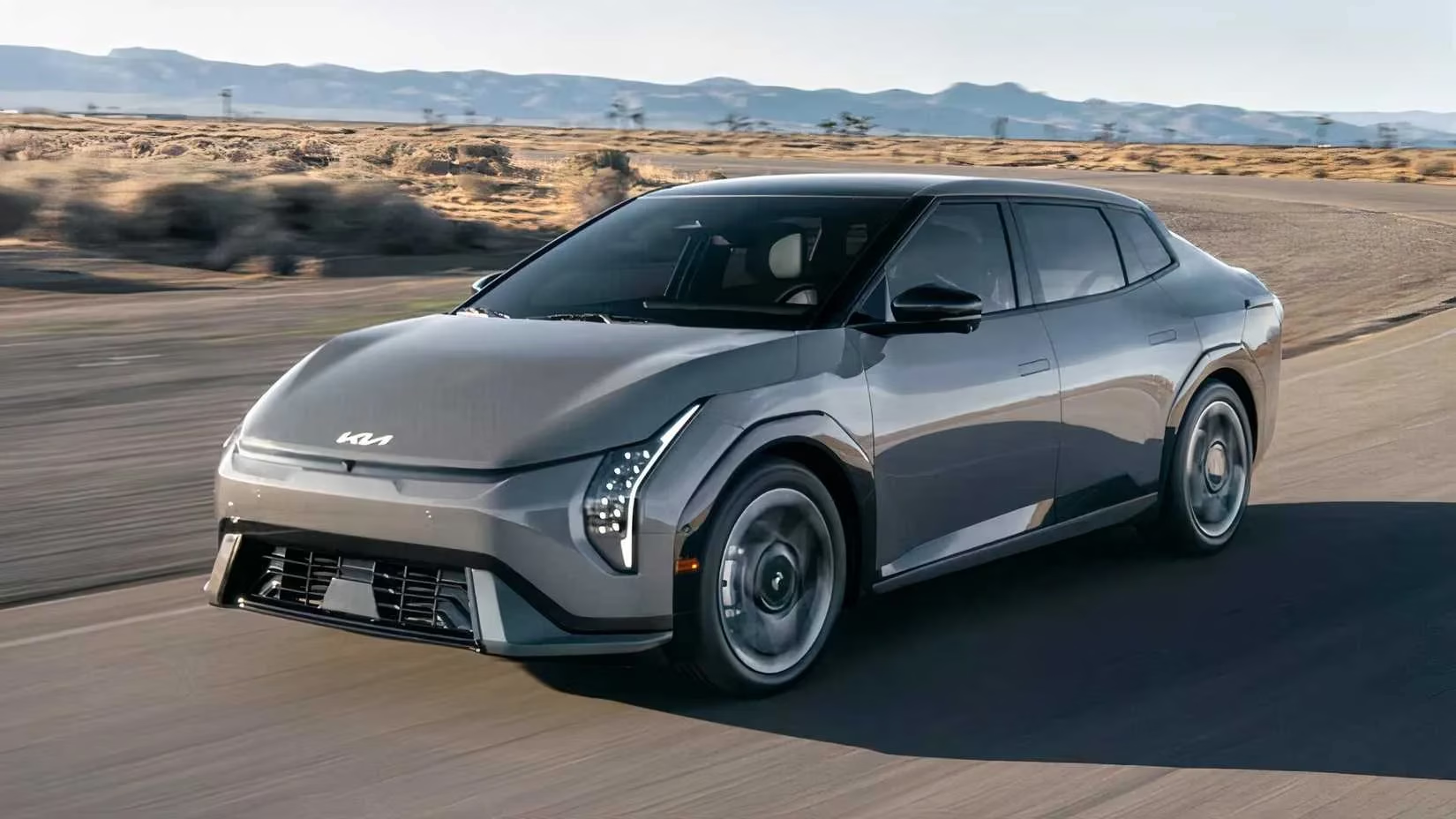
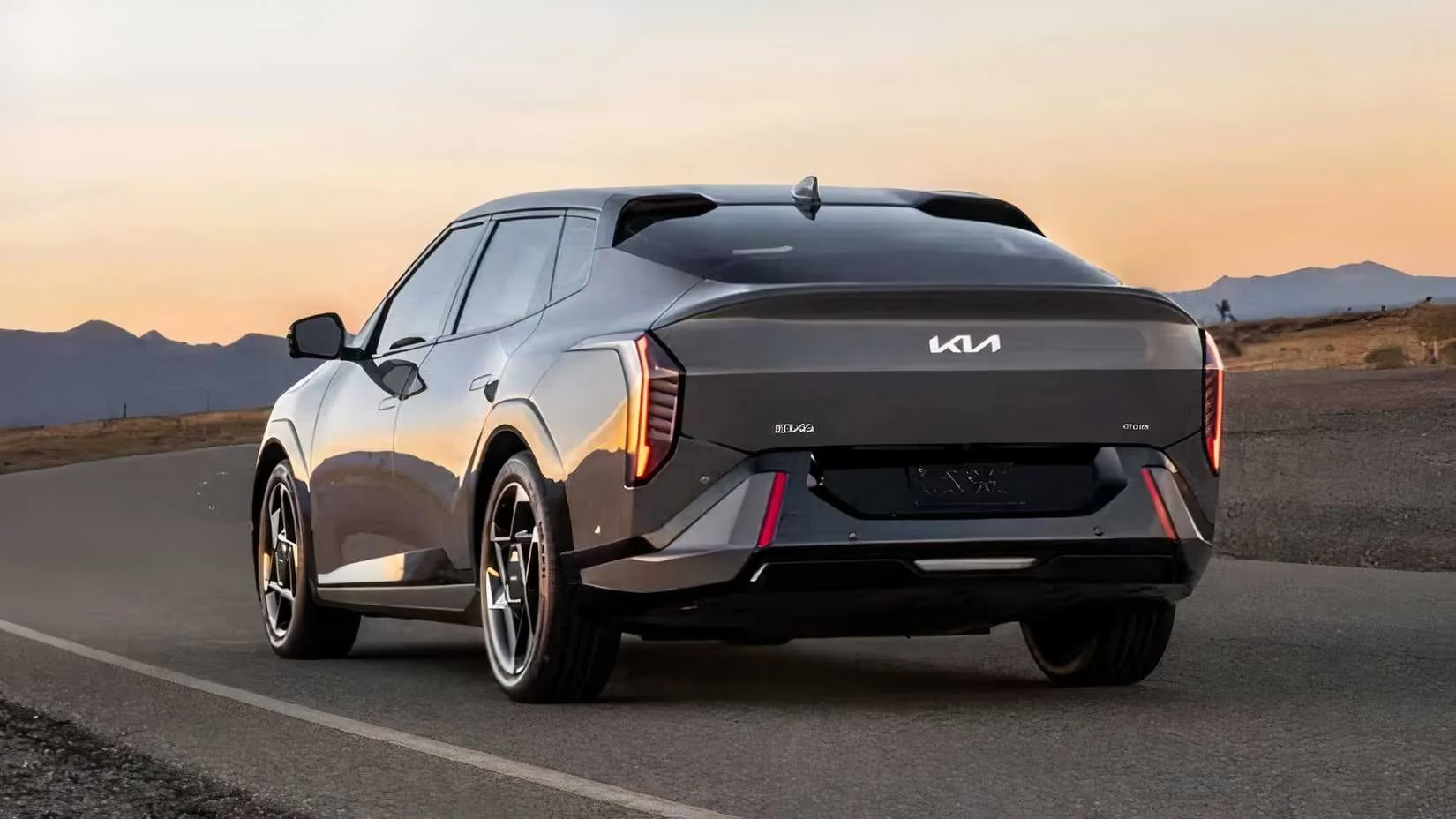
Meanwhile, the EV4 sedan faces its own unique challenges. Positioned as an affordable compact EV, it lives in a segment where pricing sensitivity is absolutely critical. A few thousand dollars in unexpected tariff costs could be the difference between a hot seller and a showroom dud.
The Double Whammy: Vanishing Incentives 💸
Adding another layer of complexity is the shifting ground of consumer incentives. Federal EV tax credits are no longer a guaranteed perk for all buyers. This means Kia can't rely on a government subsidy to make their final price palatable. They need a rock-solid, competitive MSRP from the get-go.
The tariff pressure is so immense that Wager admitted it could force Kia's hand beyond just future EVs. If import costs climb too high, the company may eventually have to raise prices not only on its upcoming electric models but potentially on its popular gasoline-powered vehicles as well. Kia has reportedly spent the last eight months absorbing these tariff-related costs internally, but that financial sponge can only soak up so much before it's wrung out.
The Waiting Game: A Risky Strategy? ⏳
For now, Kia isn't canceling anything. The official stance is one of cautious patience. As Wager put it, launching an EV pickup in the U.S. without stable costs isn't just a gamble—it's a blind bet. The company is choosing to wait for clarity rather than charge ahead and risk pricing themselves out of the market before they even start.
However, in a market heating up faster than a battery pack on a DC fast charger, time itself is becoming Kia's most expensive commodity. While they wait for the political winds to settle, their competitors are:
-
Refining their production processes to lower costs.
-
Releasing software updates and new trim packages.
-
Building a dedicated fanbase of early adopters.
-
Securing their supply chains for critical components like batteries.
It's a brutal paradox. Kia needs stability to enter the fight, but by waiting for it, they might miss the fight altogether. The electric truck arena is quickly evolving from an open frontier into fortified territory. The window for a successful, impactful entry is still open, but with each passing quarter, it gets a little narrower. For Kia's would-be electric cowboy, the showdown at the EV corral has been postponed, and nobody knows when—or if—the new date will be announced.
Leave a Comment
Comments