Ford Unleashes 1,400+ HP Mustang Mach-E 'Super' Prototype for 2026 Pikes Peak Assault
As I survey the automotive landscape in 2026, one truth remains constant: the crucible of motorsport continues to forge the future of road cars. Ford Performance is driving this point home with relentless force, returning to the Pikes Peak International Hill Climb with its most radical electric creation yet—a purpose-built, 1,400+ horsepower Mustang Mach-E prototype. This isn't merely a modified SUV; it's a scalpel-sharp electric race car draped in a familiar silhouette, a rolling laboratory designed to dissect the limits of EV performance at over 14,000 feet. Ford's mission is as clear as the thin Colorado air: to push their electric technology to the bleeding edge and translate every lesson learned directly back to the vehicles you and I can drive off the lot.
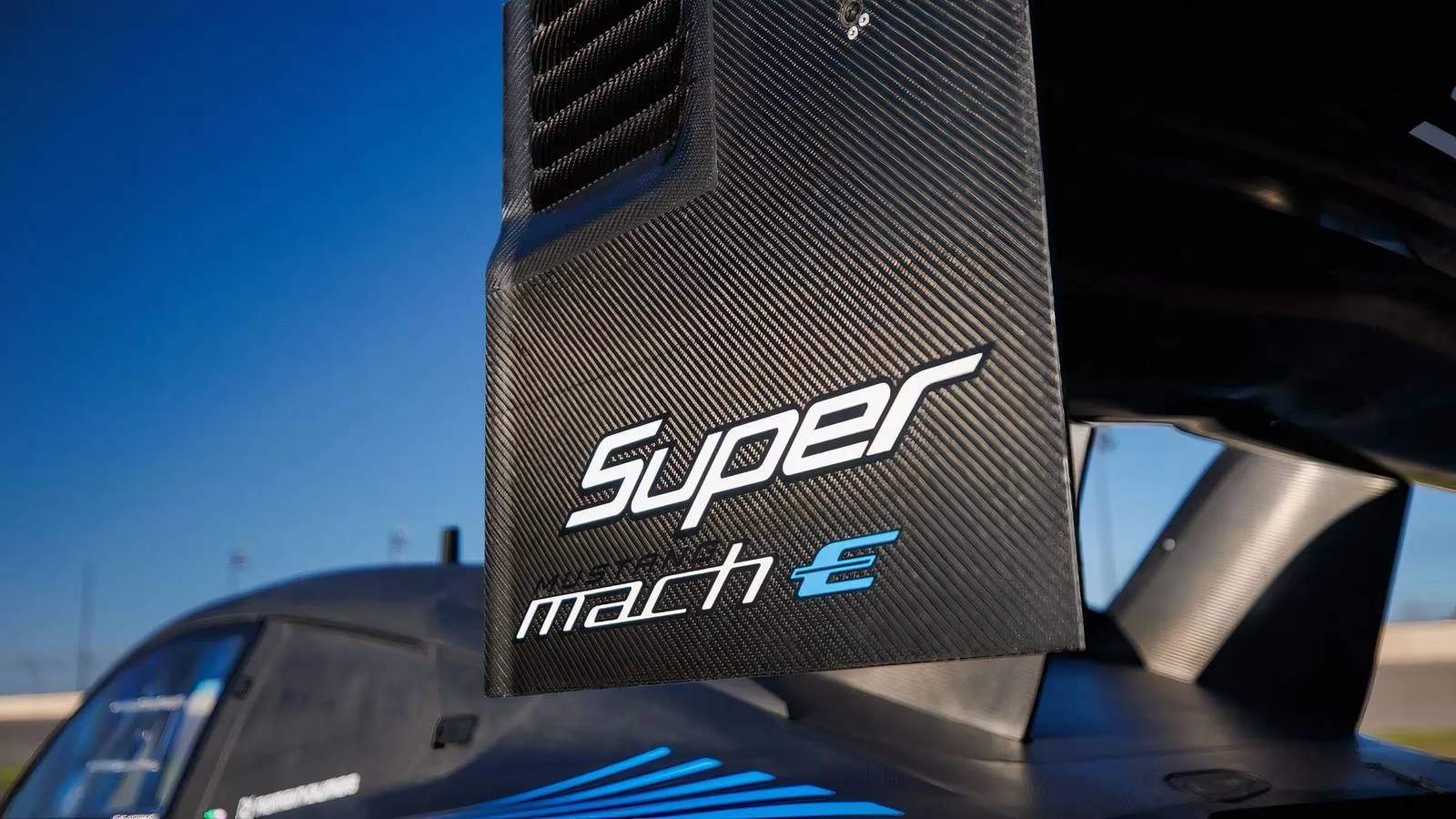
🚀 The Heart of the Beast: A Triple-Motor Titan
Beneath its carbon-fiber-reinforced skin, this Super Mustang Mach-E is a monument to focused engineering. The powertrain is a collaboration with STARD Advanced Research and Development, featuring three ultra-high-performance 6-phase electric motors. This trio orchestrates a symphony of over 1,400 horsepower, channeled to all four wheels with a ferocity that would make its road-going sibling feel like a library cart. The energy source is a compact, hyper-focused 50kWh lithium-polymer NMC battery pack operating at a staggering 799 volts. This high-voltage architecture is crucial, acting like a precision-honed syringe delivering instantaneous power—a necessity for combating the power-sapping effects of high altitude where the air is as thin as a philosopher's argument.
⚖️ The Physics-Defying Chassis
Where last year's formidable F-150 Lightning SuperTruck was a sledgehammer, this Mach-E is a rapier. Ford's engineers have executed a dramatic weight loss program, shedding over 260 pounds and achieving a near-perfect 48/52 front/rear weight distribution. This transforms the vehicle's handling dynamics. The regenerative braking system is now a powerhouse in itself, capable of recuperating a massive 710kW of energy. But the most jaw-dropping figure is the downforce: in its Pikes Peak-specific configuration, a colossal rear wing and aggressive aerodynamic kit generate over 6,900 pounds of downforce at 150 mph. To put that in perspective, that's nearly double what most modern hypercars produce, gluing this electric SUV to the tarmac like a gecko on glass.
| Key Specification | 2026 Super Mustang Mach-E (Pikes Peak Prototype) |
|---|---|
| Power | 1,400+ Horsepower |
| Powertrain | Triple STARD 6-Phase Motors, AWD |
| Battery | 50kWh Li-Polymer NMC, 799V |
| Weight Balance | 48/52 (Front/Rear) |
| Regen Braking | 710kW |
| Downforce @ 150mph | >6,900 lbs |
| Wheels/Tires | Forged Magnesium / Pirelli P-Zero |
🏁 The Pilot and the Precedent
Ford isn't entrusting this electric missile to just anyone. The steering wheel will be in the hands of Romain Dumas, the current Pikes Peak overall record holder. This campaign marks a significant milestone:
-
Dumas's third consecutive year piloting a Ford Performance EV up the mountain.
-
His tenth overall attempt at the legendary hill climb.
-
The prototype will proudly wear race number 310, symbolizing this three-year partnership with the Blue Oval.
Dumas's experience is invaluable. Having previously piloted the wild SuperVan 4.2 and the F-150 Lightning SuperTruck, his feedback is the final, critical ingredient in calibrating this machine to conquer 156 turns of unpredictable asphalt. His goal is unequivocal: to make this four-door Mustang the fastest vehicle of its kind ever to ascend America's Mountain.
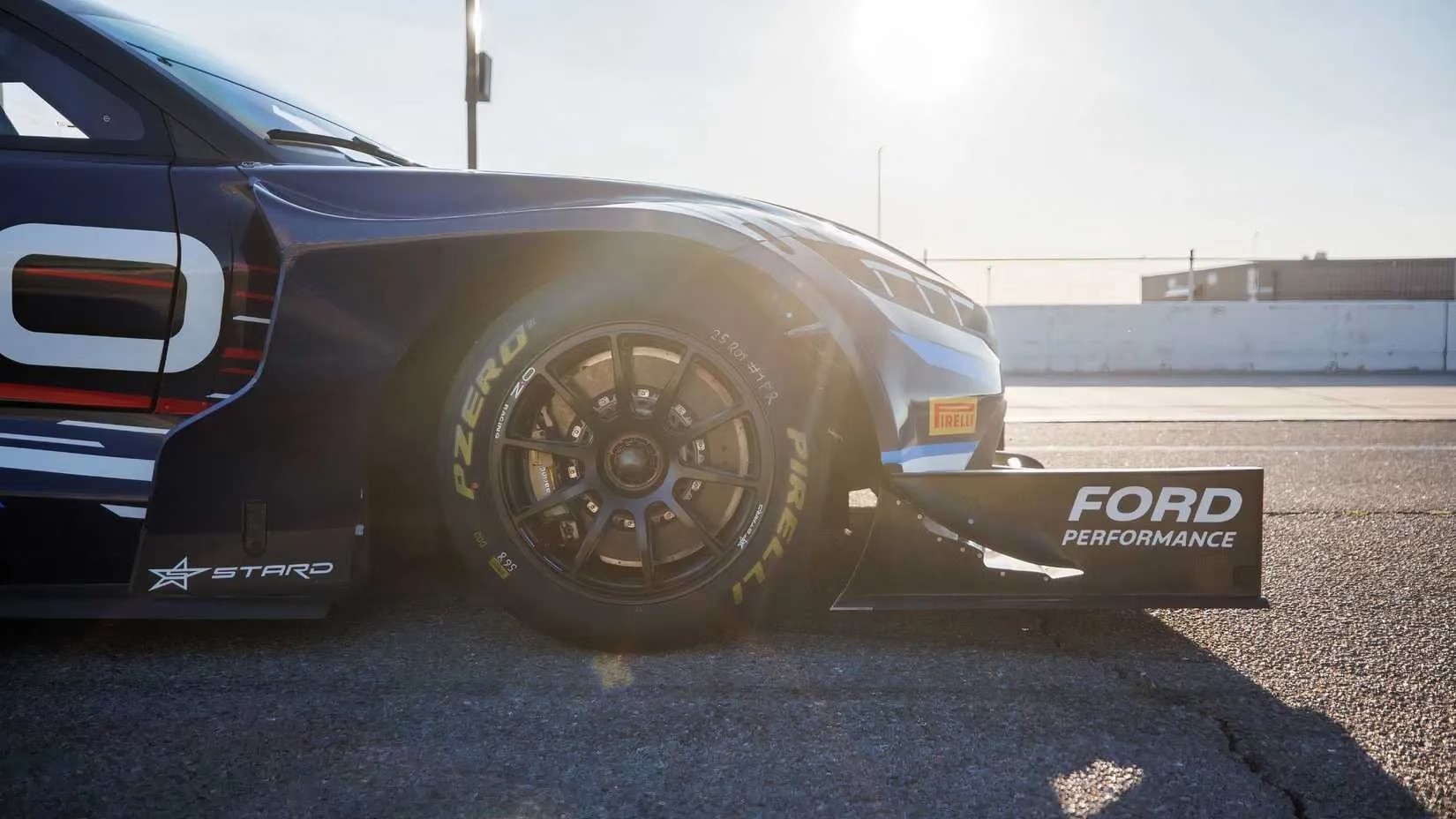
🔬 From the Mountain to Your Driveway
This is where the story transcends a simple race entry. Ford is explicit: the Mustang Mach-E prototype is a "rolling R&D lab." Every component and system is under extreme duress, providing data that is more valuable than any trophy. The intense focus areas for 2026 include:
-
High-Altitude Motor & Inverter Calibration: Ensuring peak power delivery where the air offers little oxygen for cooling or combustion.
-
Advanced Battery Thermal Management: Pushing the compact pack to its limits while maintaining stability.
-
Extreme Aerodynamic Efficiency: Balancing downforce with drag on a course that goes from 9,000 to 14,000 feet.
-
Regenerative Braking Integration: Mastering how to use the motors as the primary braking force on a descent, preserving the carbon-ceramic brakes for emergencies.
The knowledge extracted from this single, brutal 12.42-mile climb is already being fed back into Ford's engineering pipelines. It influences everything from the thermal management software in the next-generation Mustang Mach-E GT to the motor control algorithms in future electric F-Series trucks. In this sense, the Pikes Peak prototype is less of a car and more of a prophetic blueprint, its silhouette on the mountain casting a long shadow that defines the performance EVs of tomorrow. As we watch it attack the course this year, we're not just seeing a race; we're witnessing the future of Ford electric performance being written, one treacherous corner at a time.
Leave a Comment
Comments