EV Tax Credit Drama: Why 2026 Shoppers Shouldn't Hit the Panic Button
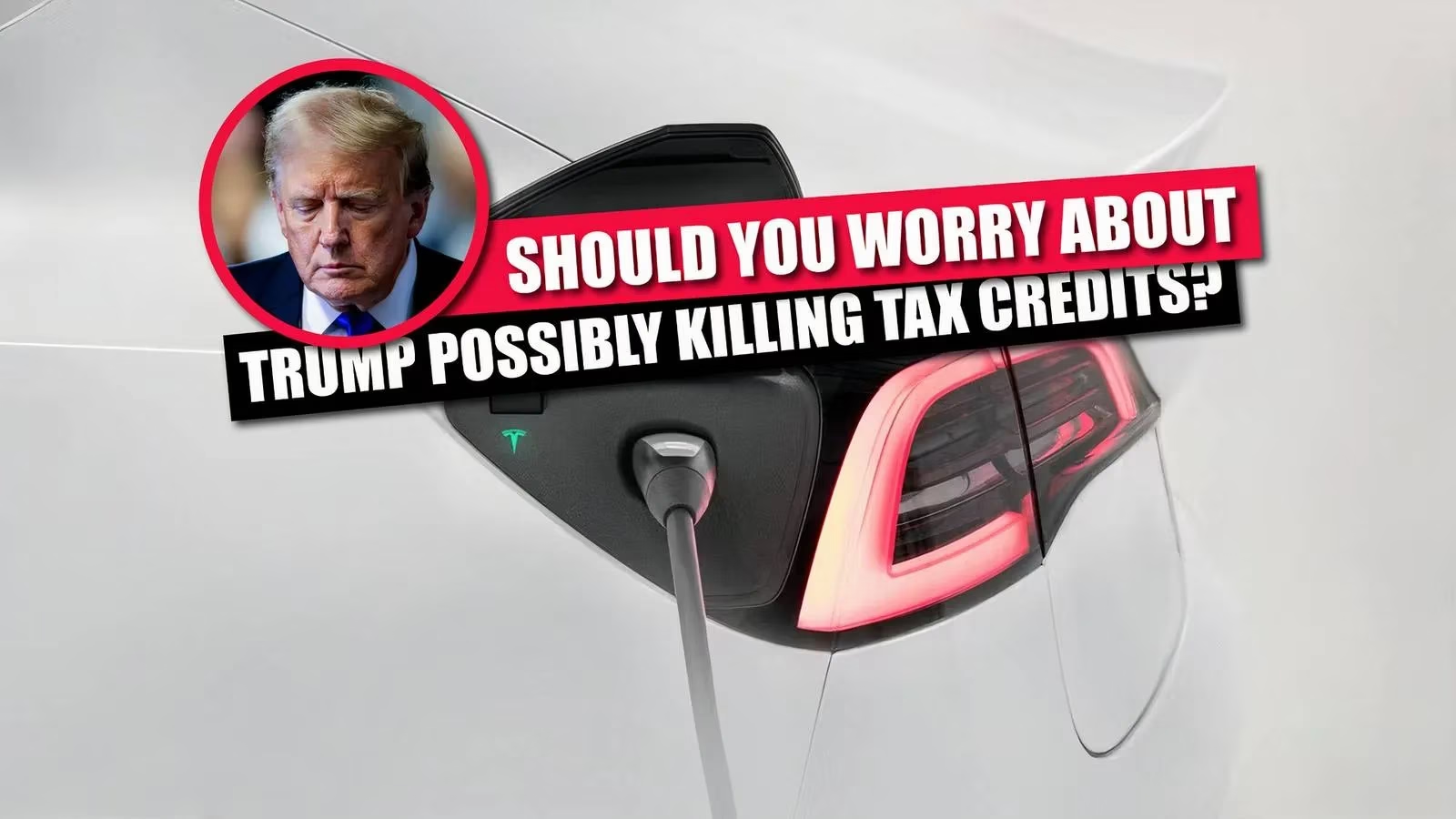
When Donald Trump was sworn in as the 47th President of the United States on January 20, 2025, the EV world braced for a sea change. Among the promises that followed was a big one: eliminate the federal tax credit for electric vehicles — the $7,500 discount that has helped put EVs within reach for a lot more Americans. Fast-forward to 2026, and the question still has shoppers kicking the tires: should EV buyers be worried? The short answer is not exactly, but the long answer is a bit more of a roller coaster.
The $7,500 question
According to a report by Reuters, the Trump transition team planned to eliminate the EV tax credit. The move was apparently part of a bigger push to get rid of programs supporting EV development and sales in the U.S. That sounds dramatic, and it is — but there is a catch. A president cannot simply wave a magic wand and make the credit vanish. The EV tax credit is baked into the Inflation Reduction Act, which Congress passed in 2022. Rolling it back would require an act of Congress.
Does that mean the credit is safe? Not necessarily. The smart money says anything is possible in Washington, and there is a real chance that something like this could eventually go through. For automakers and EV shoppers, that uncertainty is the real kicker. Nobody wants to make a big purchase while the rules are still up in the air.
Carmakers are not sitting on their hands
Before any real policy changes take effect, carmakers have already begun responding. A good case in point is the Toyota bZ4X. The starting MSRP for the 2024 and 2025 model years differs by exactly $6,000, with the newer model being the cheaper one. Toyota has clearly been proactive and figured out that a lower entry price will be needed to move EVs off dealer lots if Trump manages to kill the tax credits.
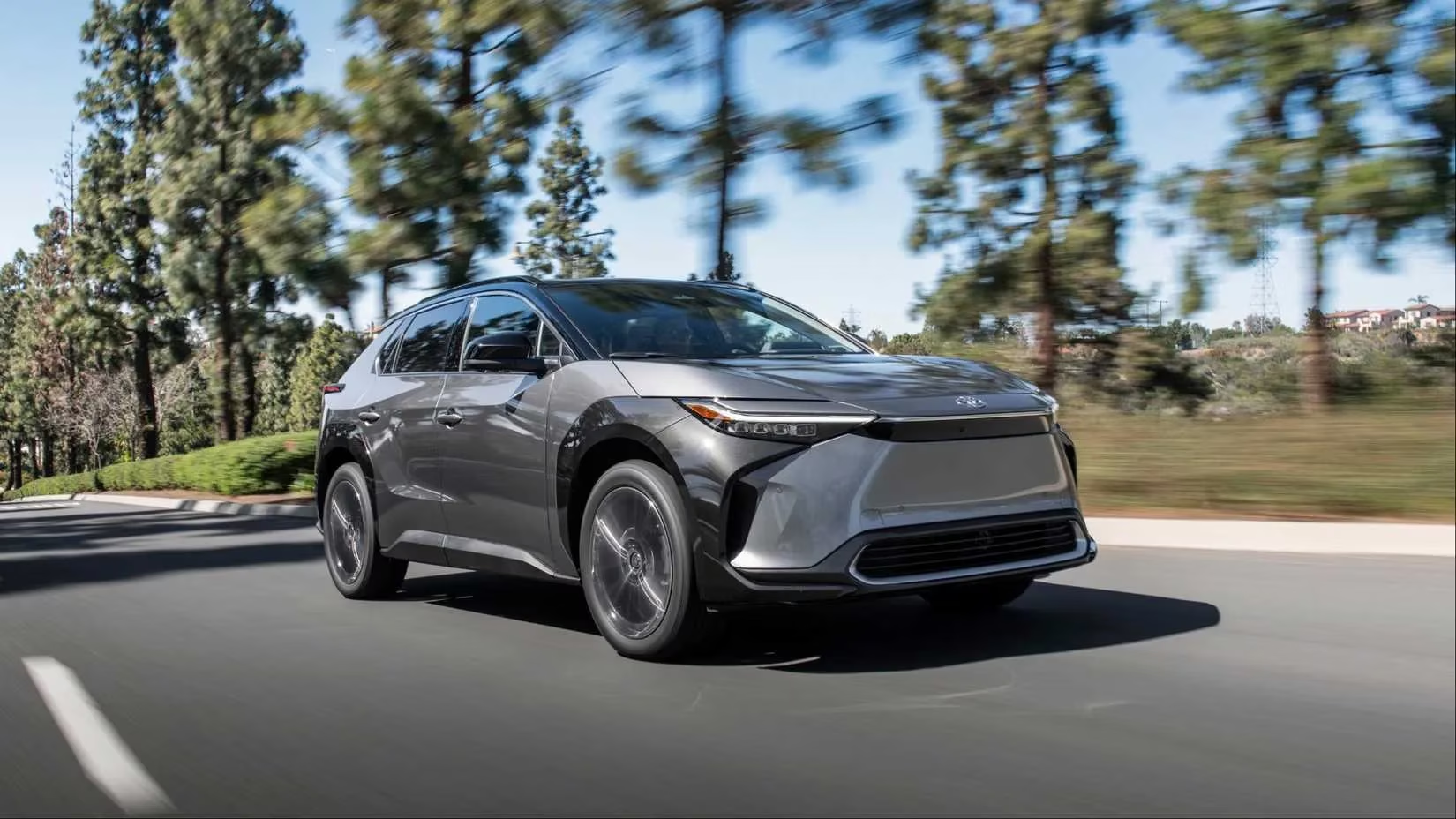
But there is a key difference here: the bZ4X is built in Japan and does not qualify for the tax credit anyway. So Toyota was already playing a different ballgame. Still, the price cut is a signal. If one major brand is trimming prices to keep EVs in play, others may follow.
Tesla can afford to play hardball
It will not be surprising to see more manufacturers drop prices for their EVs in the coming weeks and months, and that includes Tesla. The Elon Musk-led EV maker is no stranger to reducing its prices, either, with significant cuts coming for a few of its vehicles in 2022 and 2023. Tesla can afford to do it because it is a market leader with global scale and a cost structure that gives it room to maneuver. Abolishing the tax credit would not hit Tesla as hard as it would hit smaller rivals.
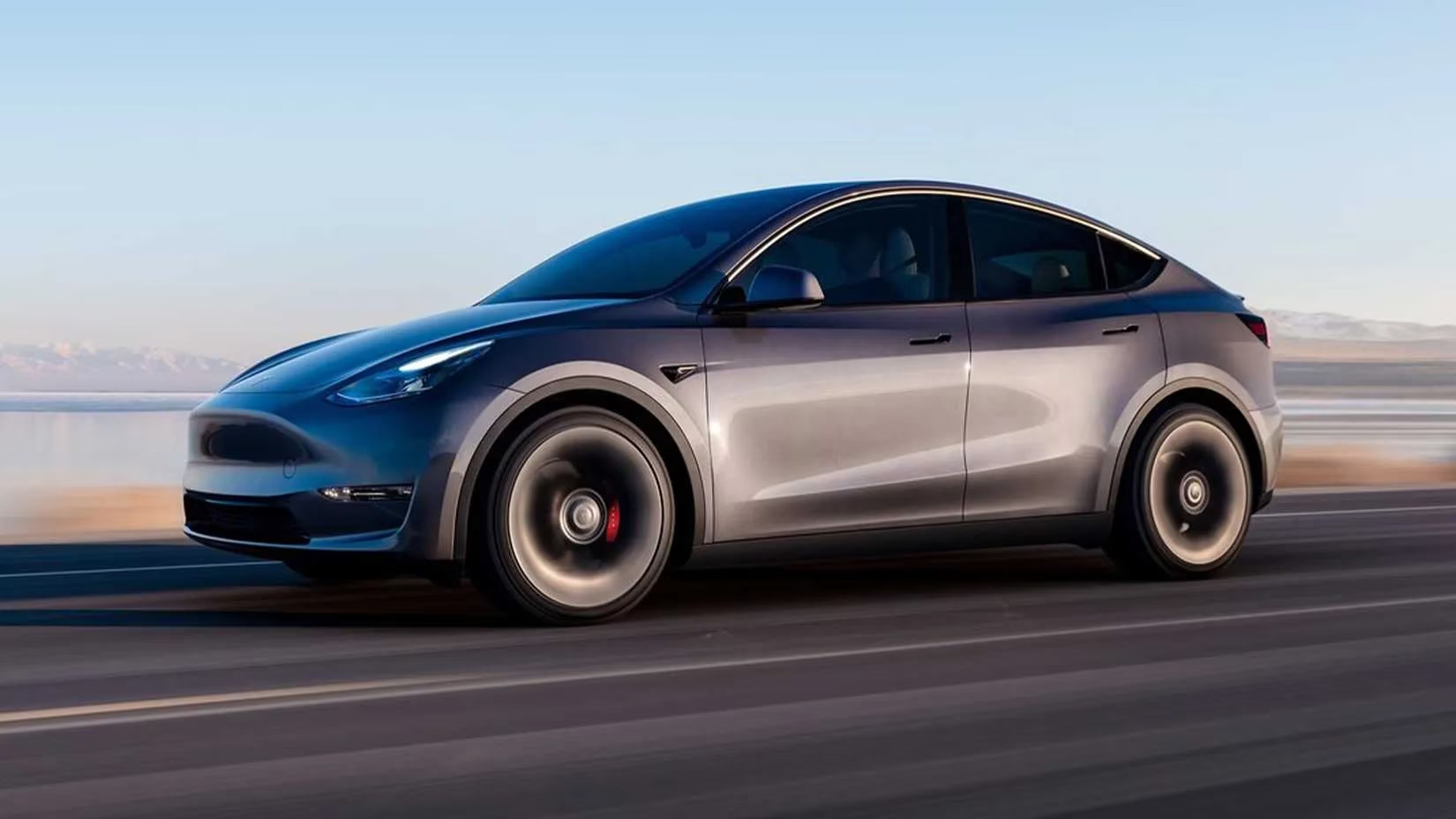
For other EV makers, slashing prices like Toyota has done would be the logical next step. All in, what that means for the end consumer is that EV prices likely will not go out of control in the future. Either Trump keeps the tax credits in place, or carmakers are forced to lower their prices to keep EVs moving. That is not a bad spot for shoppers, all things considered.
Who qualifies for the credit?
The $7,500 credit is not a free-for-all. Under the rules tied to the credit, there are price caps, battery sourcing rules, and income limits. Here is the quick-and-dirty breakdown:
| Rule | What it means |
|---|---|
| 🚐 Price cap for vans, SUVs, and pickups | Must cost less than $80,000 new |
| 🚗 Price cap for all other EVs | Must cost less than $55,000 |
| 🔋 Critical minerals | 40% of the critical minerals in the battery must be from the U.S. |
| ⚙️ Battery components | At least 50% of the EV battery components must be made or assembled in the U.S. |
| 💰 Income limits | $300,000 for married couples, $225,000 for heads of households, and $150,000 for all others |
Those rules matter because they shape which vehicles actually qualify. A cheaper EV that misses the sourcing rules may not get the credit at all. That is why some automakers have been reworking their supply chains and pricing strategies long before any final decision from Congress.
The bottom line for 2026 shoppers
So, should EV shoppers be worried? Not exactly. The sky is not falling, and there is no need to panic-buy. The more likely outcome is a market that adjusts. If the credit stays, buyers keep a helpful discount. If the credit goes, automakers have a strong incentive to cut prices, add lease deals, and find other ways to keep EVs attractive. Competition is a powerful thing, and the EV market is more crowded now than it was just a few years ago.
That said, there is no room for complacency. A smaller incentive could pinch budget-focused buyers, and some models might become less available or more expensive depending on how the rules shake out. Drivers who are serious about going electric should compare out-the-door prices, check lease offers, and watch for price cuts rather than assuming the sticker price is the final word.
The EV tax credit saga is still a political football in 2026, but one thing is clear: automakers are not going to let the market stall without a fight. Whether the credit survives, gets reshaped, or disappears, carmakers will be under pressure to keep EVs moving off the lot. For shoppers, that means one thing — keep kicking the tires, but do not bet your bottom dollar on panic. The deals will come to those who wait.
Leave a Comment
Comments