Chevy Blazer EV SS Makes History as Daytona 500's First Electric Pace Car
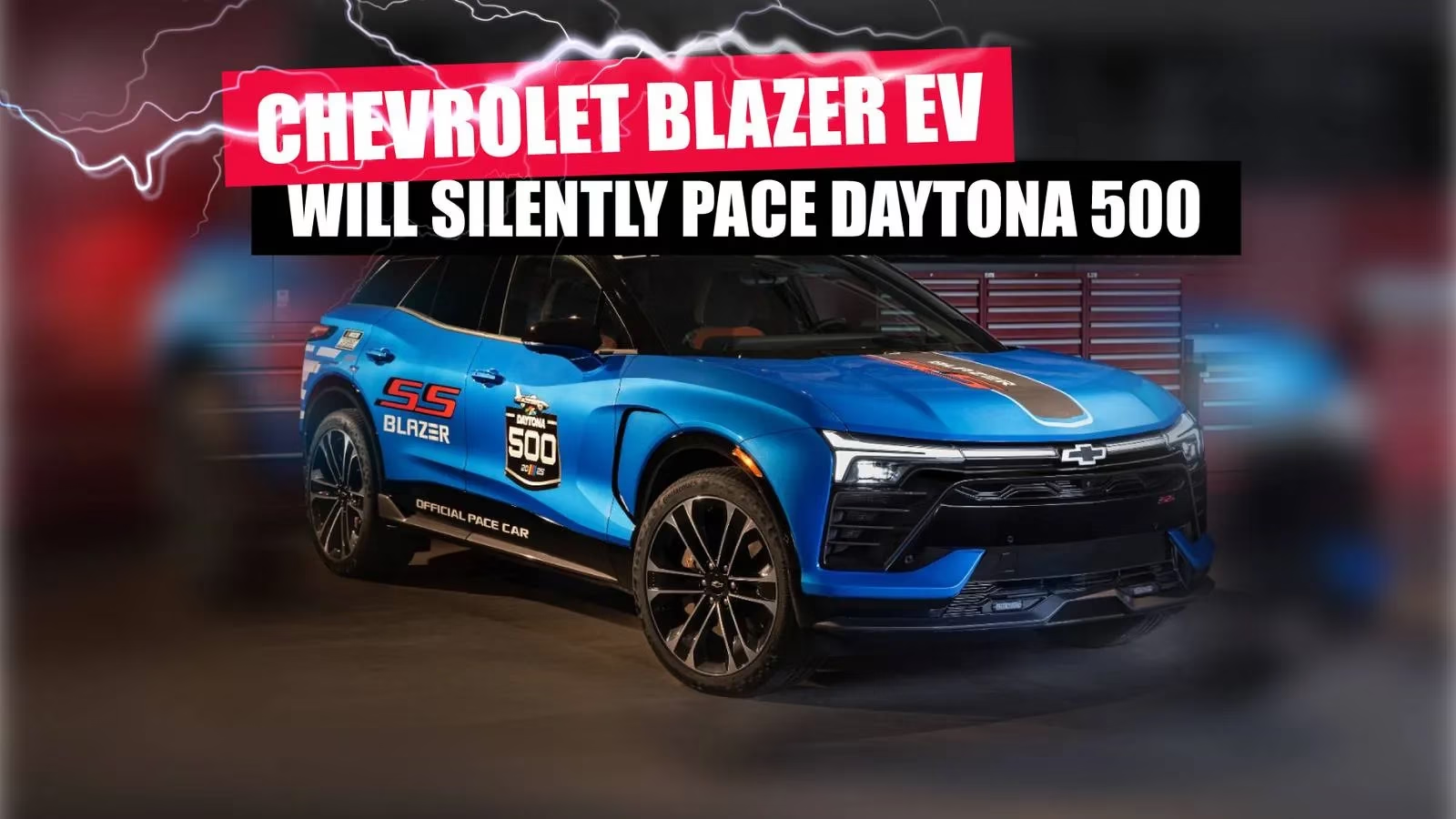
For the first time in history, a battery-electric crossover led the NASCAR Cup field to the start at the Daytona 500. The Chevrolet Blazer EV SS took over pace car duty from the Toyota Camrys and Chevrolet Corvettes that had paced the race in recent seasons. It was a striking moment for a sport built on roaring V8 engines, but the quick and nearly silent Blazer EV SS made a convincing case that electrification and performance can coexist in the stock-car world.
Performance and Technology ⚡
The Blazer EV SS is not just a ceremonial showpiece. Chevrolet says it is the quickest SS model the brand has ever built. A dual-motor electric powertrain delivers 615 horsepower and all-wheel drive. With a launch-control feature called “Wide Open Watts,” or WOW, the crossover can sprint from zero to 60 mph in about 3.4 seconds. That kind of acceleration would have been hard to imagine for a Blazer just a few years ago, and it helped the EV SS look right at home on the high banks of Daytona International Speedway.
Beyond straight-line speed, the Blazer EV SS includes hardware that makes it more capable on a road course or during a quick street drive. Brembo brakes provide strong stopping power, while a sport-tuned suspension keeps the tall crossover composed. Chevrolet also fits the SS with Super Cruise, its hands-free driver assistance technology, as standard equipment. Those features signal that the SS badge is about more than horsepower numbers; it represents a more complete performance package.
Trims and Pricing 💰
The Blazer EV SS sits at the top of the Blazer EV lineup. For buyers who do not need the full 615-horsepower experience, Chevrolet offers more affordable versions with single-motor and dual-motor setups. Depending on the trim, those models can be configured with front-wheel drive, rear-wheel drive, or all-wheel drive. The entry-level Blazer EV starts at $45,995, while the SS begins just over $60,000. That pricing puts the SS in premium territory, but it also undercuts many European performance EVs while offering a practical crossover body style.
| Model | Powertrain | Drive Type | Notable Features | Starting Price |
|---|---|---|---|---|
| Blazer EV entry model | Single- or dual-motor | FWD, RWD, or AWD | Practical EV crossover, multiple trims | $45,995 |
| Blazer EV SS | Dual-motor, 615 hp | All-wheel drive | Wide Open Watts launch control, Brembo brakes, sport suspension, Super Cruise | Just over $60,000 |
A Glimpse of NASCAR's Electric Future 🏁
Chevrolet did not stop at making the Blazer EV SS the pace vehicle. The automaker also used the Daytona 500 weekend to reveal the Blazer EV.R NASCAR Prototype. This concept machine was on display throughout the race weekend and gave fans a preview of what electrified stock car racing could look like in the years ahead. While the prototype was not competing, its presence alongside the EV SS pace car showed that Chevrolet is thinking about electrification across multiple levels of motorsport.
For traditional NASCAR fans, the idea of an electric pace car might take some getting used to. The Daytona 500 has long been associated with thunderous V8 sound and high-octane drama. A nearly silent crossover leading the field to green is a major cultural shift. Still, the Blazer EV SS proved that pace car duty does not require a gasoline engine—or any engine noise at all. Its instant torque and performance credentials allowed it to handle the responsibility without issue.
Looking ahead from that historic Daytona 500, the event may be remembered as an early signal of NASCAR’s evolving relationship with electric power. Now in 2026, the production Blazer EV SS remains available for consumers, and its combination of quick acceleration, all-wheel-drive traction, and modern technology makes it a notable entry in the growing electric performance segment. Whether or not silent pace cars become a regular sight, this was a historic first that put the Blazer EV SS in the record books.
Leave a Comment
Comments