BMW M3 EV Nears Final Form: Latest Spy Shots Reveal Design and Tech Details
As 2026 unfolds, the automotive world's eyes remain fixed on the horizon, awaiting the next great leap in performance. For years, spy photographers have trailed prototypes cloaked in camouflage, but now, the veil is beginning to lift. The latest sightings of the highly anticipated BMW M3 EV provide the most revealing glimpse yet of the sedan poised to redefine electric performance. While the internal combustion engine (ICE) variant will continue to share the stage, it is the electric iteration that promises to be a technological tour de force, blending iconic M division dynamics with a zero-emissions future.
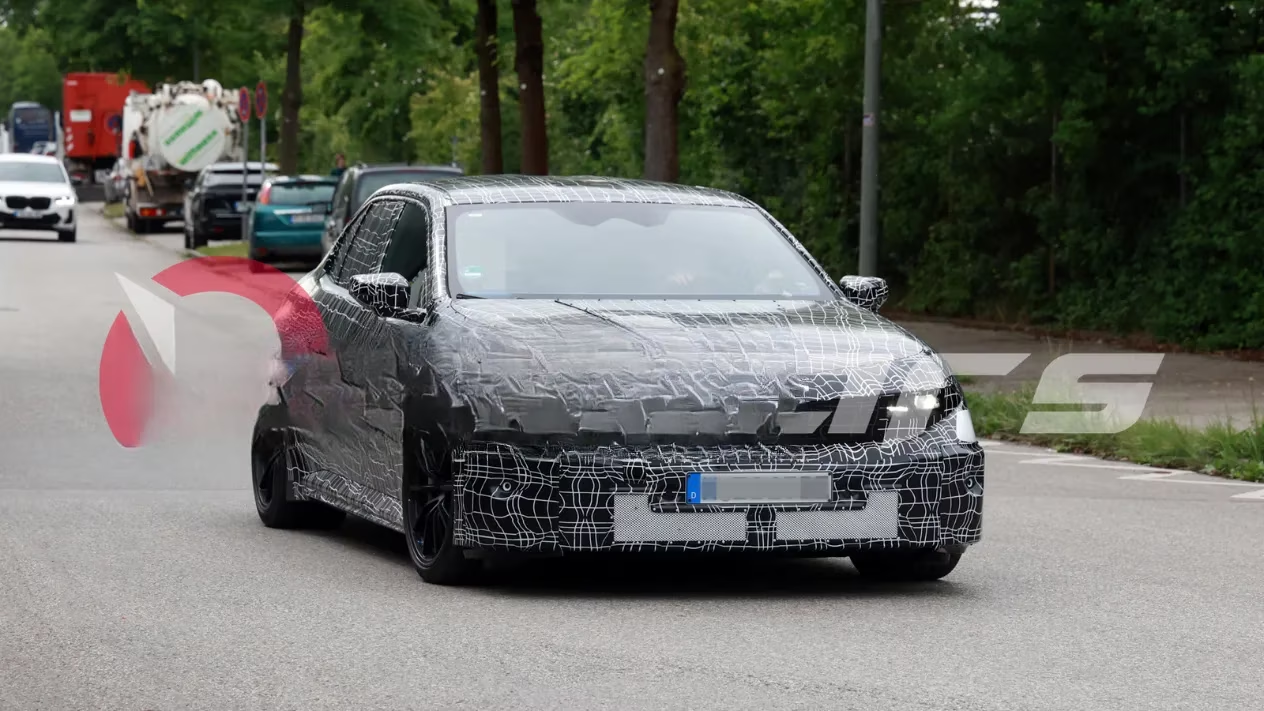
The latest prototype, captured during testing, shows significant strides toward the production model. Gone are the exaggerated, riveted fender flares and the loud, attention-grabbing wrap that previously hugged the wheel arches. In their place is a cleaner, more refined profile that hints at the final Neue Klasse design language. Key exterior details now visible include:
-
Massive Braking System: Each hub-mounted wheel motor is paired with a substantial disc brake, a necessity for managing the immense power and weight of an electric performance car.
-
Subtle Aerodynamics: A new, integrated diffuser is now subtly tucked beneath the rear bumper, suggesting a focus on high-speed stability.
-
Production-Ready Tires: The car was spotted wearing Michelin rubber—275/35 20-inch tires at the front and 295/35 20-inch at the rear—indicating final tuning of handling characteristics.
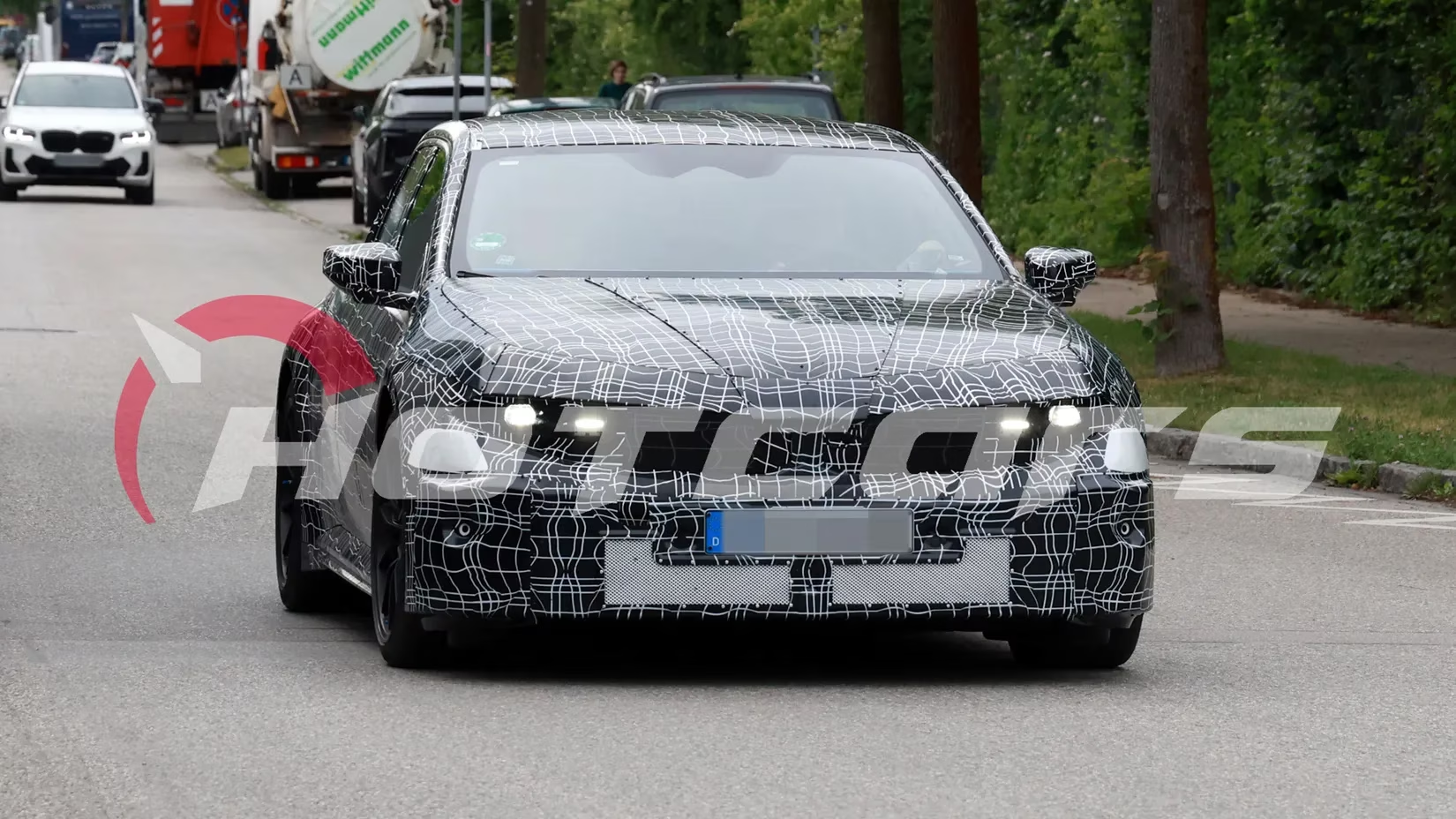
Peering through the window, a critical interior element comes into view: BMW's latest iDrive X display sits prominently in the center of the dashboard. This system is expected to be part of a comprehensive digital cockpit, likely featuring a panoramic display and an advanced heads-up display. While the prototype still wears temporary taillights, the overall refinement suggests the design is nearly locked in. BMW has yet to announce an official launch date, but industry anticipation points toward a 2027 market debut for the model, internally codenamed ZA0.
The Dual-Path Strategy: Why Both EV and ICE?
In a strategic move reflecting the complex 2026 automotive landscape, BMW has confirmed that the next-generation M3 will be offered in both fully electric and traditional internal combustion engine variants. But why maintain this dual-path approach in an era increasingly focused on electrification? The reasons are multifaceted:
-
Market Demand: Despite growth, global EV demand has shown signs of fluctuation, creating a need for portfolio flexibility.
-
Regulatory Climate: Particularly in key markets like the United States, political and regulatory environments regarding electrification remain in flux.
-
Enthusiast Choice: By offering both, BMW ensures that driving purists who cherish the character of a combustion engine are not left behind, while simultaneously pushing the envelope with electric performance.
This strategy ensures the M3 legacy continues unabated, catering to a broad spectrum of performance enthusiasts. Will this be the formula that other performance brands emulate?
The "Heart of Joy": Engineering the Electric Soul
If the body is the canvas, the software is the brushstroke that defines the driving experience. BMW has been vocal about one particular piece of technology that will define the M3 EV: the "Heart of Joy" superbrain. This centralized control unit is not merely an incremental upgrade; it represents a paradigm shift.
Dr. Mike Reichelt, head of BMW’s Neue Klasse division, has boldly stated that this system will help make the electric M3 "the best M car ever dynamically." This is a significant claim, considering the legendary status of models like the E30 and E46 M3. The "Heart of Joy" aims to solve a common critique of high-performance EVs: raw straight-line speed without the nuanced, engaging dynamics of a finely tuned ICE vehicle.
How does it work? The unit integrates control for the powertrain, damping, steering, and stability systems with processing speeds reportedly up to ten times faster than previous generations. This allows for near-instantaneous, hyper-precise adjustments to vehicle behavior, promising an agility and responsiveness that could surpass even the sharpest combustion-powered M cars. Could this be the key to unlocking true driver engagement in the electric age?
Design Philosophy: A Shared Vision with a Neue Twist
From a design perspective, reports indicate that the EV and ICE M3s will share a largely similar body shell. Therefore, these spy shots serve a dual purpose: they preview the electric future while also giving traditionalists a sneak peek at the upcoming combustion model's silhouette. The Neue Klasse influence is clear, moving towards a more integrated and perhaps less controversial aesthetic than recent BMW designs.
This raises an intriguing question for enthusiasts: Does this emerging Neue Klasse styling represent an improvement over the bold, and often debated, grille designs that have characterized recent M models? The cleaner lines and more cohesive proportions seen under the camouflage suggest a return to a more understated, function-focused form—a philosophy that has always been at the core of the M division's greatest hits.
The Road to 2027
As development accelerates, the puzzle pieces of the next-generation BMW M3 are falling into place. The electric variant, armed with the revolutionary "Heart of Joy" and a mature design, is shaping up to be far more than a silent speedster. It aims to be a holistic performance machine that respects the M legacy while forging a new path. Meanwhile, the continued development of an ICE version ensures the thrilling soundtrack and tactile feedback cherished by many will endure.
The stage is set for a fascinating chapter in automotive history. By 2027, BMW intends to offer a choice that few other manufacturers can: two paths to performance excellence, born from the same iconic badge. The question for drivers in 2026 and beyond won't just be about power or efficiency, but about the very nature of the connection between car and driver. The next M3, in both its forms, promises to provide a compelling answer.
Leave a Comment
Comments