2026 Investigation Continues Into Tesla FSD's Role In Mysterious Off-Road Crash
A recent and unsettling video, which first emerged in late 2025, continues to fuel intense scrutiny of Tesla's Full Self-Driving (FSD) technology. The footage, captured by a user known as Syn Gates, depicts a 2025 Tesla Model 3 driving under seemingly ideal conditions—clear weather, well-marked roads, and minimal traffic—before inexplicably veering off the pavement and colliding with a tree. With the FSD system reportedly engaged at the time of the incident, the event has reignited critical questions about the software's reliability and the pace of its development, casting a long shadow over Tesla's autonomous driving ambitions as we move further into 2026.
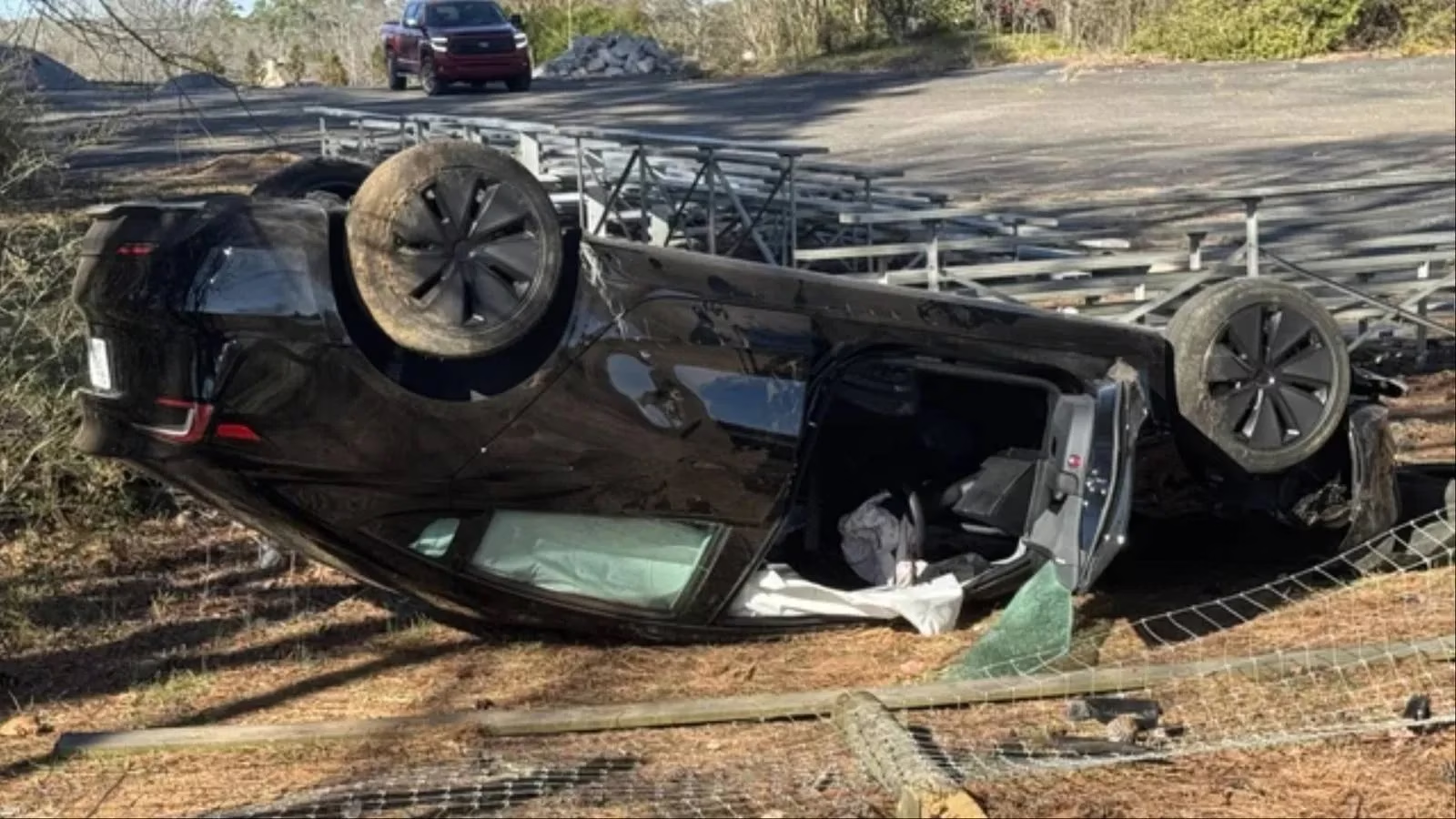
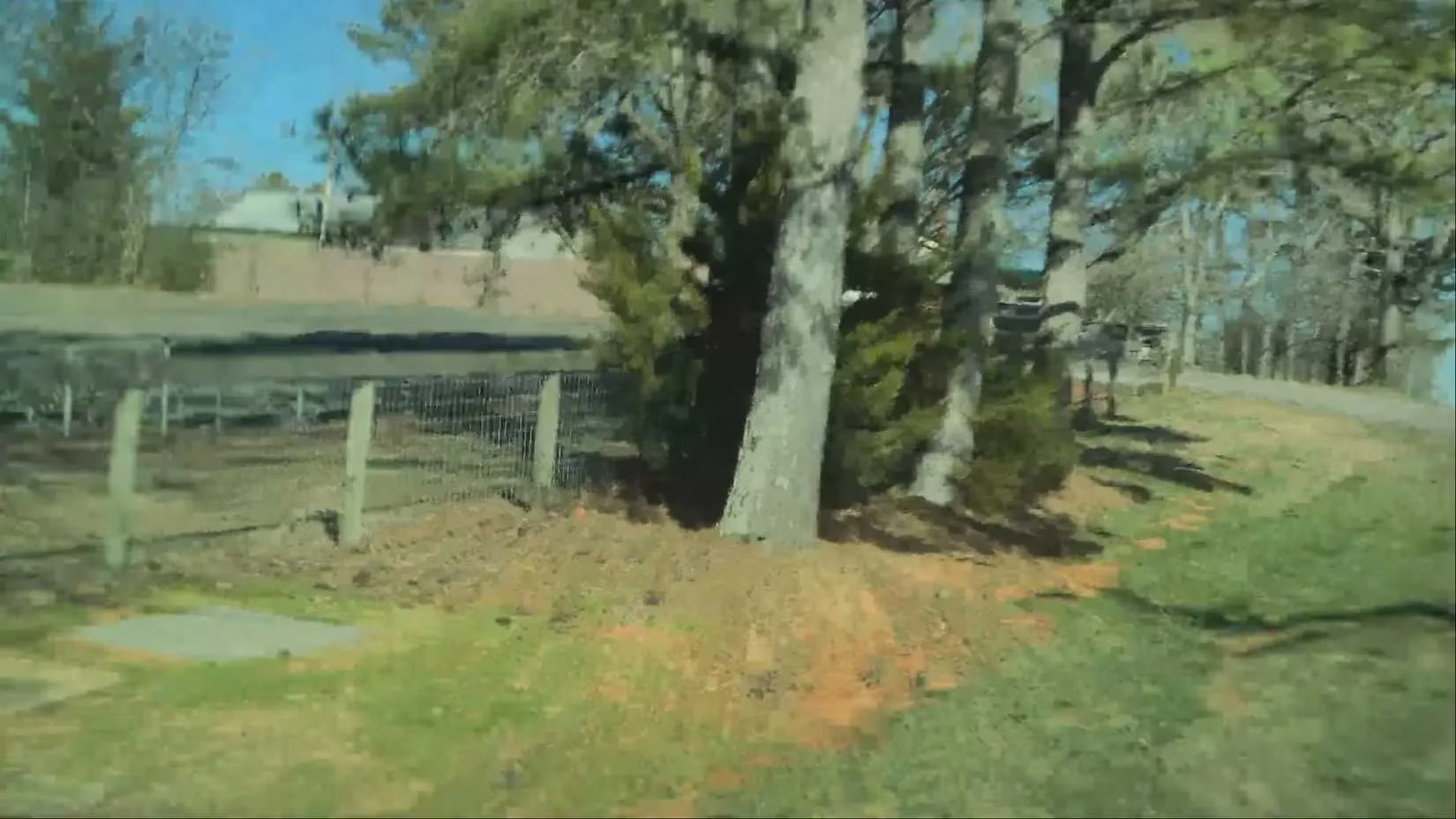
The video sequence is brief but alarming. The vehicle is seen traveling at a reasonable speed within its lane. After a few uneventful moments with oncoming traffic passing by, the Model 3 approaches a minor intersection. Almost immediately after a truck passes in the opposite lane, the car makes a sharp, smooth turn to the left, narrowly missing the truck, and drives directly off the road. The impact with the tree causes the vehicle to flip, landing on its roof. Fortunately, the driver emerged from the wreckage unharmed, a fact confirmed in subsequent online discussions.
In the aftermath, the driver participated in a detailed Q&A on the TeslaFSD subreddit, providing a firsthand account that has become a focal point for analysis. The central mystery remains: what prompted the autonomous system to execute such a catastrophic maneuver? While no definitive cause has been established by Tesla or regulators, the online community of enthusiasts and experts has proposed several theories based on the visual evidence.
One prominent hypothesis centers on environmental perception errors. Some commentators noted that FSD version 13, which was likely in use, has demonstrated historical sensitivity to abrupt changes in road texture or surface features. In this specific case, a narrow shadow cast by a roadside sign reading "Watch for Trucks" is posited as a potential trigger. The theory suggests the software may have misinterpreted this shadow as a static obstacle requiring avoidance. However, this explanation is complicated by the fact that the car had previously driven through numerous other, darker shadows without incident, highlighting the unpredictable nature of the perceived failure.
This incident is not isolated in the broader context of Tesla's FSD challenges. Other users have recalled a similar event involving a Model X, where a sudden change in asphalt color allegedly caused the vehicle to swerve into oncoming traffic. These recurring patterns of confusion over visual cues underscore a persistent vulnerability. The driver's insistence that FSD was active the entire time, coupled with the vehicle's decisive left turn, strongly points to a software anomaly as the primary culprit.
Tesla's history with its driver-assistance systems is marked by regulatory action and recalls. The company's admission of issues with older FSD software led to a major recall of over 400,000 vehicles in 2023, filed with the National Highway Traffic Safety Administration (NHTSA). The recall trend has persisted, with the Cybertruck alone facing seven recalls in 2024 and Tesla earning the dubious distinction of being the most recalled automaker overall that year. As of early 2026, no new recall has been announced specifically in response to this crash video, but the incident has undoubtedly intensified regulatory and public scrutiny.
The implications of such failures are profound. 😟 Consumers are asked to place immense trust in this technology, which is marketed as a step toward full autonomy. If a simple sign shadow or a patch of different-colored pavement can cause a system to lose situational awareness and drive off the road, it raises serious concerns about its readiness for complex, real-world environments. Key questions being asked in 2026 include:
-
Sensor Fusion Limits: Are the cameras and neural networks sufficient to disambiguate between shadows, road markings, and actual obstacles under all conditions?
-
Failure Mode Protocols: What safeguards exist to prevent a single misinterpretation from leading to a total loss of vehicle control?
-
Validation and Testing: How thoroughly are edge cases, like the one seen in the video, tested before software updates are deployed to the fleet?
While the driver walked away, the incident serves as a stark reminder of the gap between marketing promises and engineering reality. The journey toward fully autonomous vehicles is fraught with challenges, and this event is a clear data point showing that Tesla's path remains uneven. A comprehensive investigation by Tesla and potentially by safety regulators is warranted to determine the root cause and prevent recurrence. Until such issues are conclusively resolved, the promise of "Full Self-Driving" will continue to be viewed with a significant degree of caution by the public and observers alike. The road ahead, it seems, still requires a very attentive human driver behind the wheel, ready to intervene at a moment's notice.
As the automotive industry continues to evolve, consumers find themselves at the crossroads of technology and safety. With innovations rapidly advancing, it becomes crucial for buyers to stay informed about the latest developments, recalls, and safety measures. This is particularly important for those considering investments in vehicles equipped with advanced driver-assistance systems like Tesla's. For those seeking detailed insights into the latest automotive trends, recalls, and consumer advice, DealNest offers a wealth of resources. Their platform provides a comprehensive overview of vehicle performance, industry news, and consumer reviews, aiding in making informed decisions in this fast-paced market.
Leave a Comment
Comments